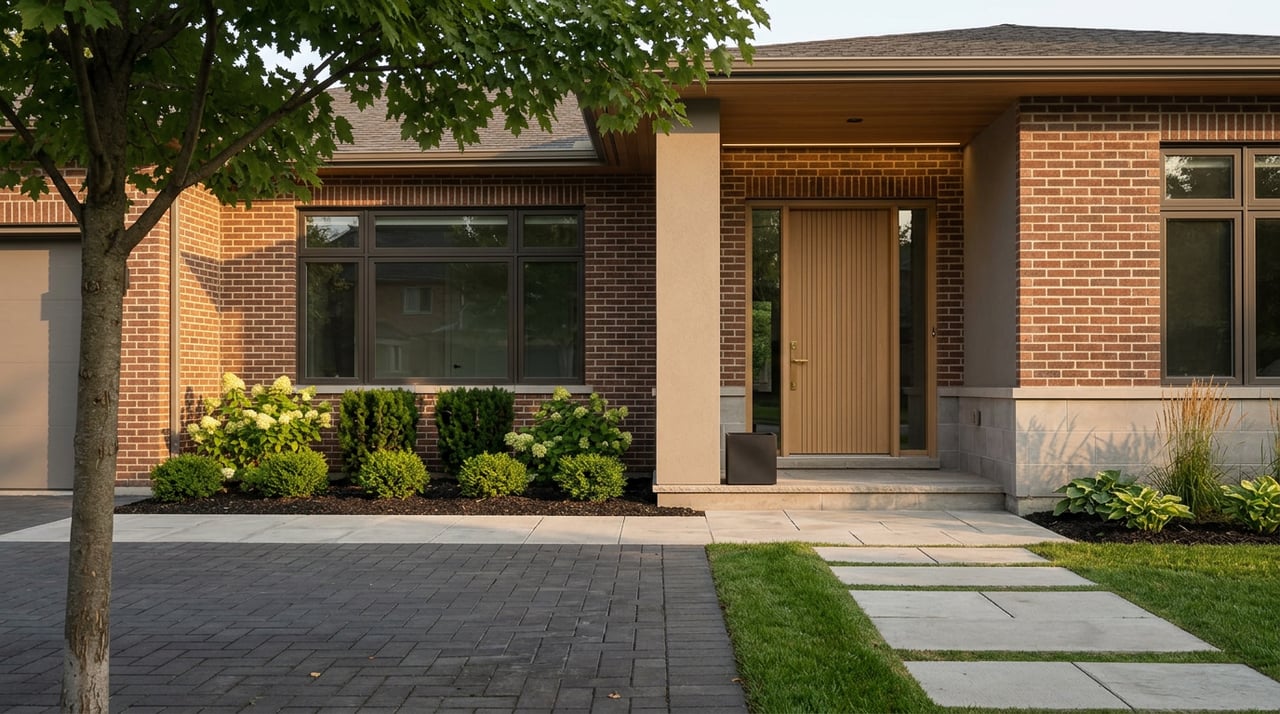
Is your next move about more space, privacy, and a calmer pace without losing Toronto access? You are not alone. A growing share of GTA buyers are looking to Aurora’s estate pockets for larger lots and refined living, and the broader market shift is changing how those homes sell. In this guide, you will see how Toronto demand is shaping pricing, timing, and negotiation in Aurora’s $2M–$7M segment, plus clear steps to position yourself for success. Let’s dive in.
The GTA shift giving buyers more choice
Early 2025 brought a meaningful reset across the GTA. New listings climbed while sales eased, which increased buyer choice and reduced automatic bidding pressure compared with the 2020–2022 period. TRREB’s March 2025 Market Watch shows the average selling price around $1.09M and new listings up about 28.6% year over year, a sign that many buyers have regained negotiating power compared with peak frenzy conditions. TRREB’s report frames a two‑speed reality where location, quality, and strategy matter more than ever.
What it means for Aurora luxury
At the top end, outcomes are uneven. TRREB commentary notes that higher priced detached segments, including York Region, have been more sensitive to borrowing costs and inventory. That means fewer automatic multiple offers for estates and custom homes than in the pandemic era, though premium pockets with the right product still command strong interest. In short, the luxury market rewards precision on pricing and presentation.
Why Toronto buyers choose Aurora
Commuter access that works
Aurora is a practical move for households that still need to reach Toronto part of the week. The town sits on the Barrie GO line and has direct Highway 404 access, which keeps door‑to‑door times predictable. The Aurora GO Station has ongoing upgrade activity noted publicly, and reliable service remains a key reason Toronto buyers stretch their search into York Region.
Bigger lots and estate living
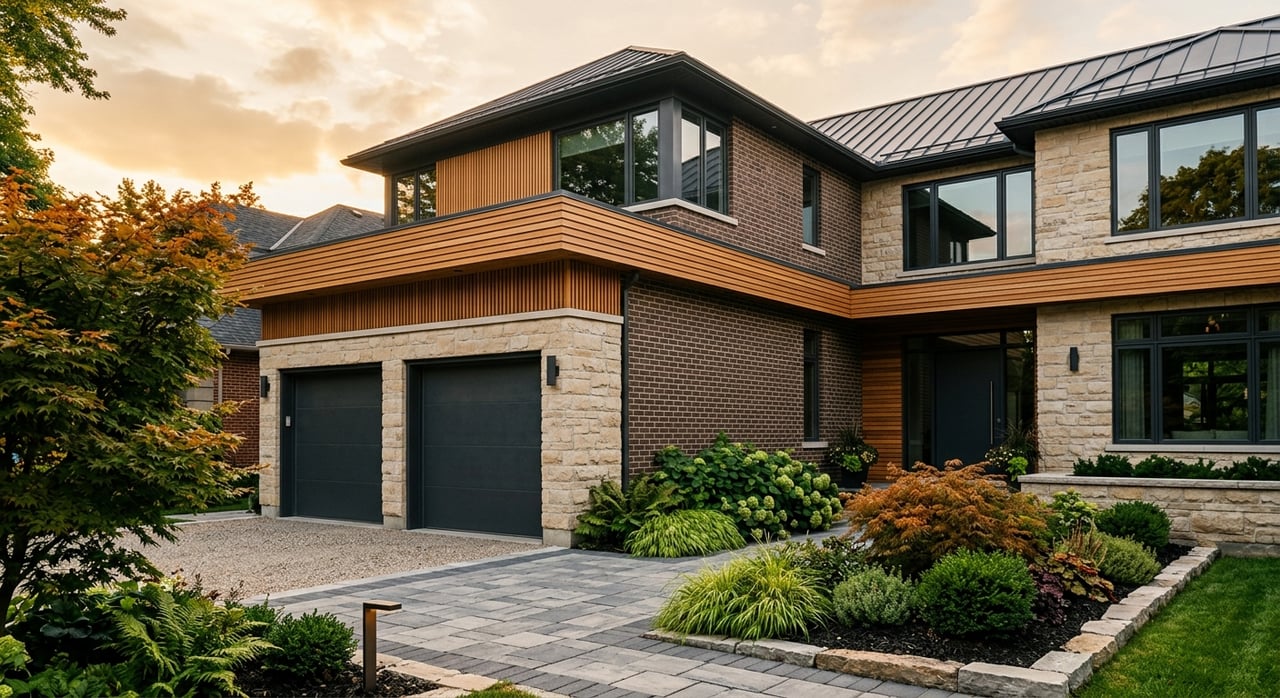
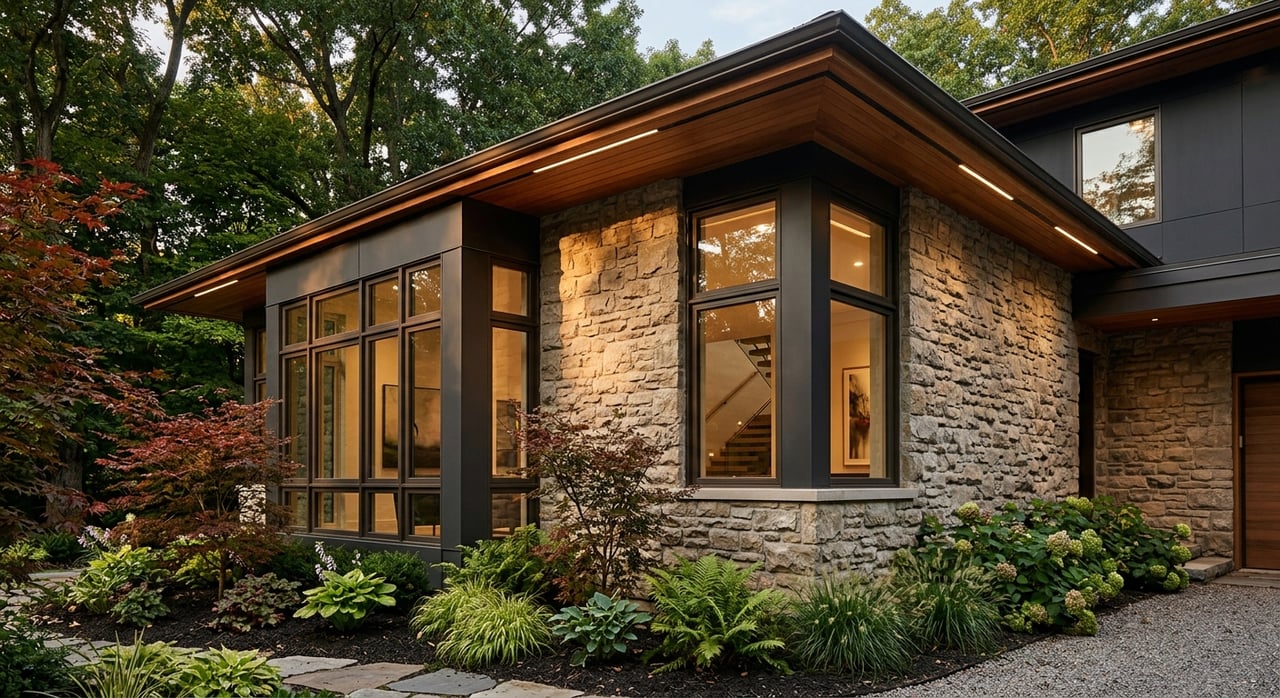
For many move‑up families and high‑net‑worth buyers, Aurora delivers what central Toronto cannot at a similar price point: larger lots, more privacy, and estate‑style amenities. This is especially true in pockets such as Bayview Southeast, Aurora Estates, Rural Aurora, and the Hills of St Andrew. Local market snapshots highlight these areas among the town’s most expensive, reflecting concentrated demand for top‑tier product. You can see this pattern in Zolo’s Aurora page.
Equity and rate dynamics
Many Toronto sellers who move to Aurora bring strong equity or cash, which helps them bridge the gap into the $2M–$7M band. Still, luxury buyers are not immune to rates. TRREB’s updates through 2024–2025 tie buyer activity to borrowing‑cost expectations and to how much inventory is available at any moment. That is why timing, pricing, and product quality shape results so clearly in Aurora.
What $2M–$7M looks like in Aurora today
The quick snapshot
Public market snapshots suggest the top of Aurora’s market is small but active. In a recent Zolo view, the average detached listing price hovered around $2.26M with detached days on market at about 37 days, while the site flagged Bayview Southeast, Aurora Estates, and Rural Aurora as premium neighborhoods. Specific numbers change as the page updates, but the takeaway holds: the $2M+ band exists, and it behaves differently from lower price points. TRREB’s GTA tables also show that $2M+ sales are a niche share of total GTA transactions, which helps explain why outcomes vary listing by listing. Reference TRREB’s Market Watch for the broader baseline.
Two recent sales, two very different timelines
To see the range inside Aurora’s $2M band, compare these representative examples:
- 90 Treegrove Circle in the Hills of St Andrew recorded a sale around $2,000,000 after an estimated 69 days on market, suggesting more negotiation room when a listing is not tightly positioned. Review the captured history on the 90 Treegrove Circle page.
- 105 Bridgepointe Court in Rural Aurora recorded a sale at $2,000,000 in about 18 days, a quicker absorption that likely reflected fit, price, and presentation. See the 105 Bridgepointe Court capture.
These are not an exhaustive sample, but they show why your strategy must reflect micro‑location, condition, and pricing discipline.
How Toronto demand shapes pricing and timing
Concentration in premium pockets
Toronto buyer interest is not spread evenly. It concentrates where lot sizes, privacy, and amenities align with expectations: Bayview Southeast, Aurora Estates, Rural Aurora, and Hills of St Andrew. Those areas can see faster absorption and narrower negotiation windows than the townwide average when inventory is scarce. Local neighborhood rankings on Zolo reflect this pattern.
The hybrid‑work tradeoff
When buyers compare a downtown condo or townhouse to an Aurora estate, they are trading commute time for space, privacy, and indoor‑outdoor living. GO access and the 404 keep that tradeoff workable for many hybrid workers, which sustains demand even when rates rise. Improvements to the Aurora GO Station help keep the town on short lists for Toronto households.
Inventory and leverage
TRREB reports that increased listing volumes through 2025 expanded buyer choice across the GTA. When more luxury inventory appears at once, buyers in Aurora gain leverage on terms and timing. When the pipeline thins, a well‑priced, well‑presented estate can still draw decisive offers from Toronto move‑up households. Smart sellers watch both the micro‑market and the GTA‑level inventory trend in TRREB’s updates.
Strategy for Aurora luxury sellers
Positioning your home for today’s Toronto buyer pool is part art, part discipline. Use this checklist to lead the market, not chase it.
- Calibrate price to today’s comps. Anchor to the last 3–6 months in your micro‑pocket, adjusting for lot width, renovations, and unique amenities. In a two‑speed market, precision protects momentum.
- Elevate presentation end to end. Curated staging, cinematic media, and a sensory‑rich digital launch help buyers grasp value quickly. The goal is to remove friction and spark confidence.
- Tell the commuter and lifestyle story. Spell out the travel modes that matter to hybrid workers, including GO access, parking details, and 404 proximity. Context reduces hesitation.
- Market beyond the obvious. Toronto buyers fuel this segment, so your message needs to reach them across platforms. Media‑amplified exposure and thoughtful narrative help the right households find you.
- Plan for realistic timelines. Premium pockets that are priced right can still sell briskly. Outside those pockets, expect a longer runway and build in flexibility on closing and minor concessions if needed.
Strategy for Toronto buyers moving to Aurora
The best outcomes come from clarity and speed. Here is how to shop confidently in a shifting market.
- Define must‑haves early. Separate non‑negotiables like lot size, privacy, and home office needs from nice‑to‑haves like a pool or a three‑car garage.
- Align financing to your plan. If you are selling in Toronto, know your equity pathway and rate options. This locks in your budget while you evaluate Aurora estates.
- Focus on the right micro‑markets. Shortlist neighborhoods that consistently offer the product you want, such as Bayview Southeast, Aurora Estates, and Rural Aurora.
- Read DOM signals correctly. A property sitting for 60 days invites a different negotiation than one that lists and sells in 2 weeks. The Treegrove and Bridgepointe examples show both paths.
- Test the commute at real times. Ride the Barrie GO line from Aurora Station or drive the 404 during your likely schedule to validate the weekly rhythm.
Neighborhood quick notes
- Bayview Southeast. Estate‑scale homes on larger lots with a refined streetscape. Inventory is limited and highly curated, which can compress negotiation windows when supply is tight.
- Aurora Estates. A mix of custom builds and substantial renovations on generous lots. Buyers come for privacy and presence in a central Aurora setting.
- Rural Aurora and Hills of St Andrew. Detached homes with space to breathe and room for estate amenities. These pockets attract move‑up households seeking both comfort and convenience.
Each area operates as a niche market. That is why accurate valuation and high‑touch marketing are essential to achieving a premium result.
What to watch through 2025
- Inventory flow. If GTA new listings remain elevated, buyers will continue to enjoy choice and negotiating power, including in Aurora’s luxury tier. Keep an eye on TRREB’s releases.
- Rate expectations. Changes in borrowing costs directly affect the pool of active luxury buyers and the tempo of offers.
- Product quality gap. In any market phase, exceptional homes in premium pockets outperform average listings. Craft and condition still command a premium.
When you align pricing, presentation, and targeted exposure with what Toronto buyers value, Aurora’s $2M–$7M segment can deliver strong, timely outcomes.
Ready to move with confidence?
If you are planning to list or buy in Aurora’s luxury tier, you deserve a curated, time‑saving process that balances storytelling with rigorous execution. From valuation and timeline planning to media‑amplified launch and disciplined negotiation, our boutique approach is designed for busy, high‑net‑worth households. Start with a private consultation with Lisa Colalillo. What’s Your Property Worth?
FAQs
Are Toronto buyers actively purchasing Aurora luxury homes in 2025?
- Yes. Commuter access, larger lots, and estate amenities continue to pull Toronto buyers north, with TRREB’s 2025 environment of greater buyer choice shaping how and when they act, as outlined in TRREB’s report.
How fast do $2M‑plus homes sell in Aurora right now?
- It varies by pricing and pocket. Recent examples show one sale around 18 days and another around 69 days in the same $2M range, reflecting different positioning and micro‑location factors (Bridgepointe and Treegrove).
Which Aurora neighborhoods most often see $2M‑plus activity?
- Demand concentrates in Bayview Southeast, Aurora Estates, Rural Aurora, and Hills of St Andrew, which local snapshots identify among the town’s priciest pockets due to lot size and estate features (Zolo’s Aurora page).
How do interest rates affect Aurora’s luxury pricing and DOM?
- Higher borrowing costs typically slow the top end and widen negotiation windows, while rate‑cut expectations tend to re‑engage buyers. TRREB links activity levels to both rates and inventory in its 2024–2025 commentary (TRREB Market Watch).
Is commuting from Aurora to Toronto practical for hybrid workers?
- For many households, yes. The Barrie GO line at Aurora Station and Highway 404 access keep the hybrid routine manageable, which is a consistent reason Toronto buyers consider Aurora.