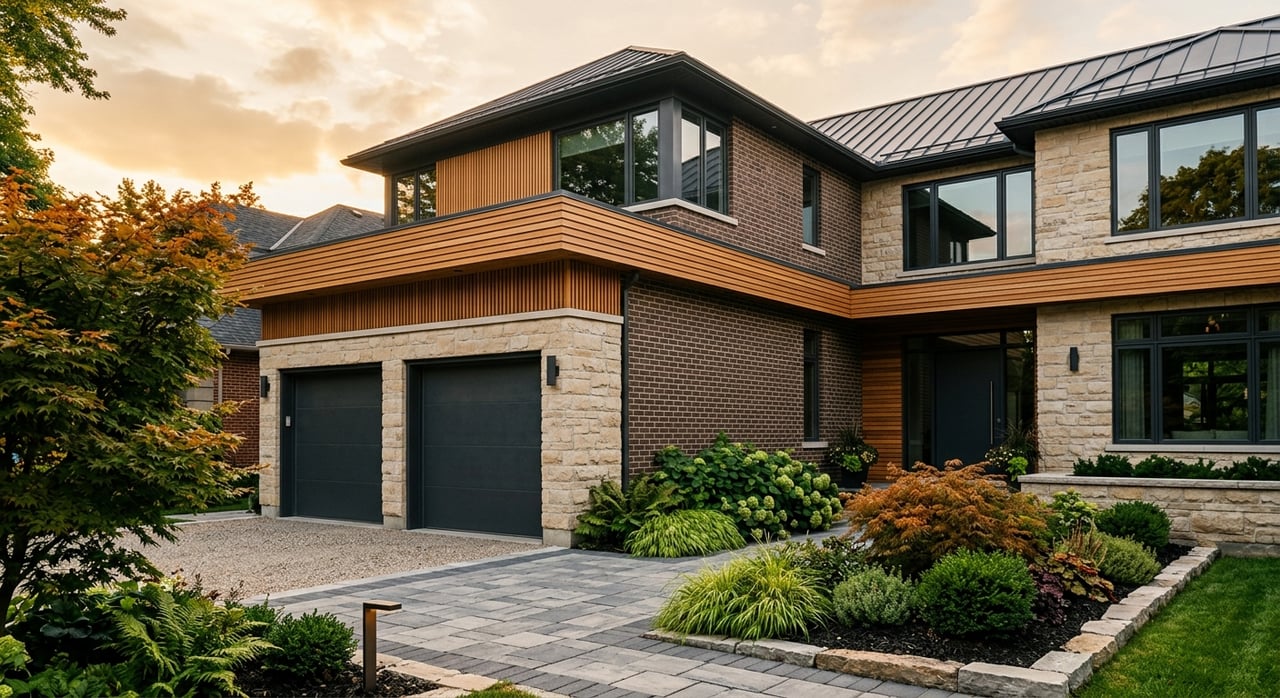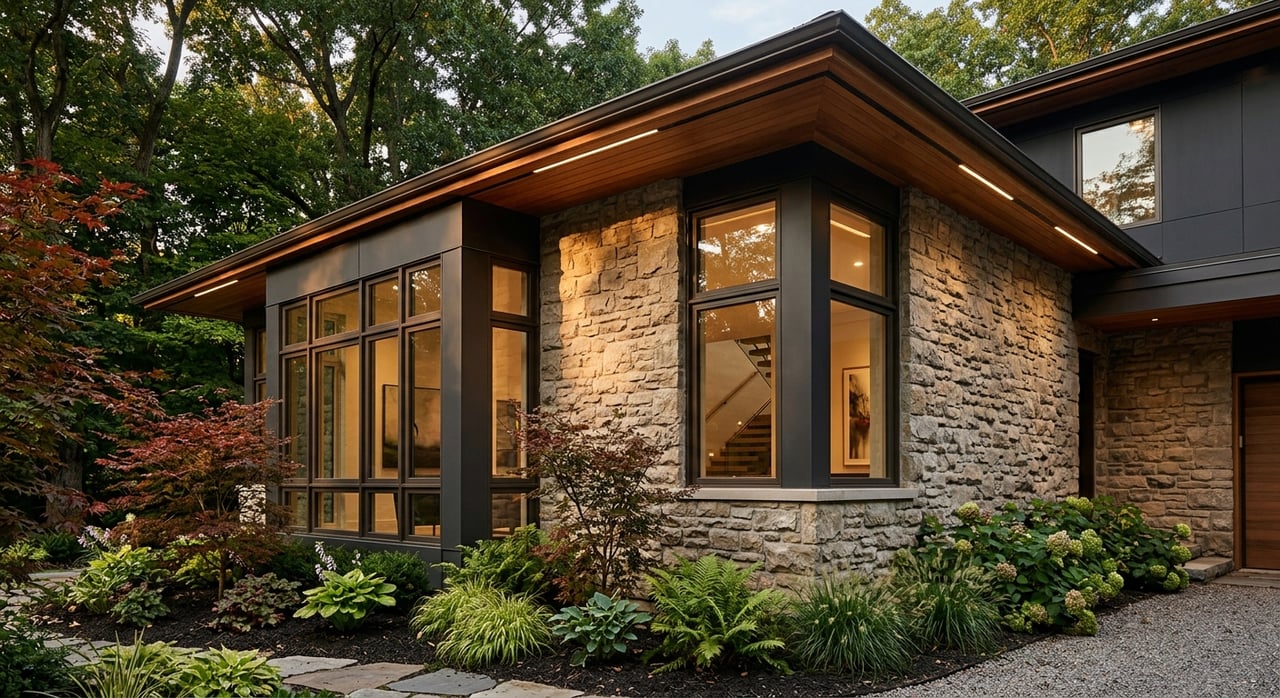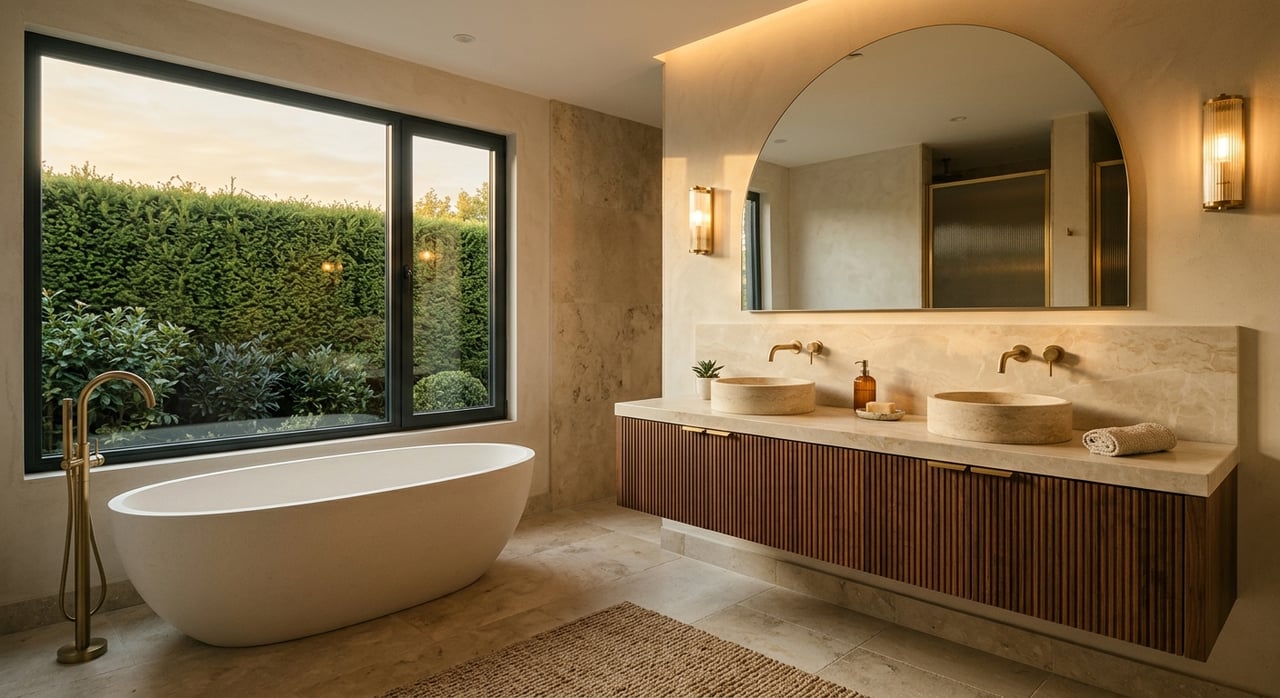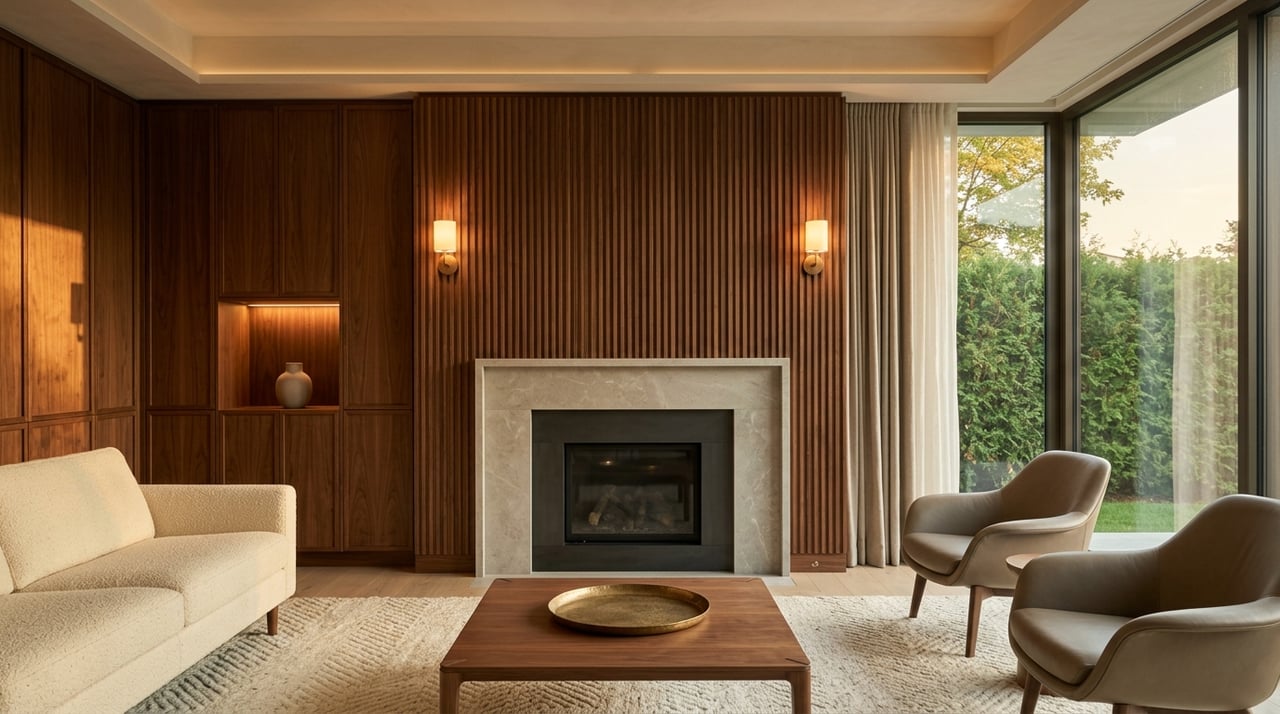
If you are selling a premium home in Aurora, generic luxury marketing is rarely enough. In a town where detached homes dominate and high-end sales often move in small, neighborhood-specific pockets, a true white-glove listing experience is less about flashy branding and more about disciplined execution. When every detail matters, you need a process that protects your time, sharpens your pricing, and presents your home with real intention. Let’s dive in.
White-glove starts with precision
A true white-glove listing experience begins long before your home goes live. In Aurora, that matters because the market does not behave like one single luxury segment. The town’s housing mix and neighborhood patterns create micro-markets, which means your pricing and launch strategy should be built around your immediate area, not broad townwide averages.
According to Aurora’s community profile, the town blends urban amenities, a historic downtown, and extensive green space while remaining heavily shaped by single-detached housing. That creates meaningful differences from one pocket to another. In practice, a home in Aurora Estates, Bayview Southeast, Hills of St. Andrew, or Rural Aurora may require a very different valuation and marketing plan.
Aurora luxury is hyper-local
Recent TRREB community reports for Aurora show how quickly numbers can shift between neighborhoods and reporting periods. In Q4 2025, Aurora Estates averaged $1.39 million with 49 days on market, while Aurora Highlands averaged $1.38 million with 37 days on market. In Q4 2024, Aurora Estates averaged $2.27 million, Bayview Southeast averaged $2.96 million on only four sales, Hills of St. Andrew averaged $1.98 million, and Rural Aurora averaged $1.39 million.
Those numbers do not suggest inconsistency as much as they highlight low-volume sensitivity. TRREB also notes that some statistics are not reported when transactions are two or fewer. That is why a white-glove advisor looks past headlines and builds a pricing opinion from neighborhood-level evidence, recent comparable sales, and the property’s specific features.
Pricing should use local comps
For premium homes, pricing should be grounded in comparable sales and neighborhood-level housing data rather than broad average price stories. The MLS Home Price Index from CREA is designed to support more apples-to-apples neighborhood comparisons and is generally less volatile than average or median prices. In a place like Aurora, that matters.
If your home sits on a larger lot, backs onto open space, offers estate-style privacy, or falls within a highly specific streetscape, your pricing process needs nuance. A white-glove listing strategy accounts for the lot, architecture, finish level, upgrades, location within the neighborhood, and buyer expectations for that exact pocket. It is not just about finding three nearby sales and splitting the difference.
Prep is part of the service
One of the clearest signs of a true white-glove process is that launch is treated like a production schedule, not a rush to market. You should expect a thoughtful timeline for decluttering, repairs, styling, staging, photography, video, and listing copy. That prep period is not a delay. It is part of the value.
CREA notes that buyers usually begin their home search online, and that the digital presentation must look polished from the start while staging improves the in-person experience. In other words, your first showing often happens on a screen. A rushed launch with weak visuals can cost momentum that is difficult to recover later.
How long should prep take?
The exact timeline depends on the home, but white-glove prep usually needs enough space to handle:
- decluttering and editing rooms for flow
- touch-ups and minor repairs
- staging or styling adjustments
- high-end photography
- floor plans
- drone footage or video capture
- final copywriting and MLS setup
- broker preview planning before launch
For some homes, this can move quickly. For larger detached homes or estate-calibre properties, it often takes longer because more details need to be coordinated properly. The goal is not speed for its own sake. The goal is to go live once everything feels aligned.
Marketing assets should sell
White-glove creative is not decoration. It is a sales asset. For larger detached homes in Aurora, the most effective listing package usually includes strong photography, clear floor plans, and either a 3D tour or professionally produced video that helps buyers understand scale, flow, and setting.
The copy matters just as much. CREA’s REALTOR.ca Local Insights is designed to surface the search terms and filters buyers use in specific communities. That means listing descriptions should be tailored to how buyers actually search for homes in Aurora, rather than relying on generic luxury phrases.
What strong luxury marketing usually includes
A true white-glove listing campaign should feel curated and complete. That often means:
- polished photography that captures architecture, light, and lot features
- floor plans that help buyers understand layout quickly
- video or 3D tours for digital-first buyers
- copy that reflects the home’s setting and likely buyer priorities
- MLS exposure for broad agent and buyer visibility
- a coordinated showing script that highlights the home’s best features
According to CREA, MLS systems in Canada expand exposure to a broad network of REALTORS and buyer clients, and REALTOR.ca remains Canada’s No. 1 real estate platform. That reach is powerful, but only if the home is presented well enough to convert attention into qualified interest.
Aurora storytelling should feel grounded
In Aurora, white-glove marketing should reflect the town’s real lifestyle anchors. The town itself highlights Highway 404 access, proximity to Toronto, a historic downtown, parks and trails, and a 100-acre arboretum in its community profile. Those are meaningful context points that can shape photography choices, copy, and the way a property is introduced to buyers.
For some listings, the story may focus on privacy, lot size, and residential character. For others, it may be access, convenience, or historic charm near established streetscapes. The point is that the narrative should match both the property and the neighborhood, not rely on a one-size-fits-all luxury template.
Some neighborhoods need bespoke plans
Because Aurora luxury inventory behaves in micro-markets, some neighborhoods especially benefit from a bespoke strategy. Areas with fewer sales, estate-style lots, heritage constraints, or highly variable home styles need more careful positioning from the start.
Aurora’s Official Plan confirms that existing estate residential pockets remain very low density and that suburban residential areas are protected for low-density living. A secondary-plan example near St. John’s Sideroad references fully serviced lots with frontages generally greater than 24 metres and areas above 800 square metres. For sellers, this means the physical fabric of certain areas can support very specific buyer expectations around space, privacy, and streetscape consistency.
Heritage homes need extra care
If your property is in or near a heritage area, white-glove service should include additional diligence. Aurora has a protected Northeast Old Aurora Heritage Conservation District, where exterior alterations, new construction, and demolition require approval and are reviewed against district guidelines.
That does not make a heritage home harder to sell by default. It means the listing process should handle the property with clarity and accuracy. Marketing should respect the home’s character, and buyer conversations should be informed by the applicable approval framework so expectations stay realistic from the outset.
Showings should feel controlled
A white-glove experience also shows up in how access is managed. Luxury sellers should not feel like their home is operating on an open-door system. Showing activity should be organized, qualified, and documented.
That usually means private appointment windows, careful access tracking, and a feedback process that gives you same-day insight when possible. Pre-qualification is especially important for premium listings because broad exposure only creates value when the traffic is serious. A disciplined showing system protects your time and helps turn interest into useful market feedback.
Negotiation needs market discipline
Even the best presentation cannot overcome wishful pricing in a more competitive environment. TRREB reports that GTA home sales in 2025 were down 11.2 percent year over year while new listings rose 10.1 percent, and February 2026 market watch data still showed 3,868 sales against 10,705 new listings. That backdrop suggests buyers have options and premium listings need a clear rationale.
In practice, white-glove negotiation means tracking feedback carefully, measuring how the market is responding, and staying flexible on timing, terms, or closing dates when needed. It is a systems-based approach, not an emotional one. That kind of rigor can make a meaningful difference when your home is competing for a smaller pool of qualified buyers.
What white-glove really means
In Aurora, true white-glove service is not about adding a luxury label to a standard listing package. It means neighborhood-specific pricing, a deliberate prep calendar, elevated digital presentation, controlled showings, and negotiation rooted in current market conditions. It is a thoughtful, high-touch process designed to protect value while making the sale easier on you.
If you are preparing to sell a premium home in Aurora and want a process that respects your time, your home, and your market position, connect with Lisa Colalillo for a more curated listing strategy.
FAQs
What makes a white-glove listing experience different in Aurora?
- In Aurora, a white-glove listing experience focuses on neighborhood-level pricing, thoughtful prep, polished digital marketing, controlled showings, and a launch strategy tailored to the home’s specific micro-market.
How long does white-glove listing prep take for an Aurora home?
- The timeline depends on the property, but prep should allow enough time for decluttering, repairs, staging, photography, video, floor plans, copywriting, and broker preview planning before the home goes live.
Which Aurora neighborhoods need the most customized listing strategy?
- Neighborhoods with fewer sales, estate-style lots, heritage considerations, or highly varied housing stock often need the most tailored approach because pricing and buyer demand can shift significantly from one pocket to another.
What marketing assets matter most for large detached homes in Aurora?
- The most important assets are usually high-quality photography, floor plans, 3D tours or video, strong listing copy, and broad MLS exposure supported by a clear showing and follow-up process.
How should an Aurora agent handle limited luxury comparables?
- When comparable sales are limited, the best approach is to use neighborhood-level data, recent relevant sales, property-specific adjustments, and a disciplined pricing strategy instead of relying on townwide averages.
What should sellers know about listing a heritage home in Aurora?
- If a home is within a heritage conservation district, certain exterior changes, demolition, or new construction may require approval, so the listing process should present the property accurately and set clear expectations for buyers.