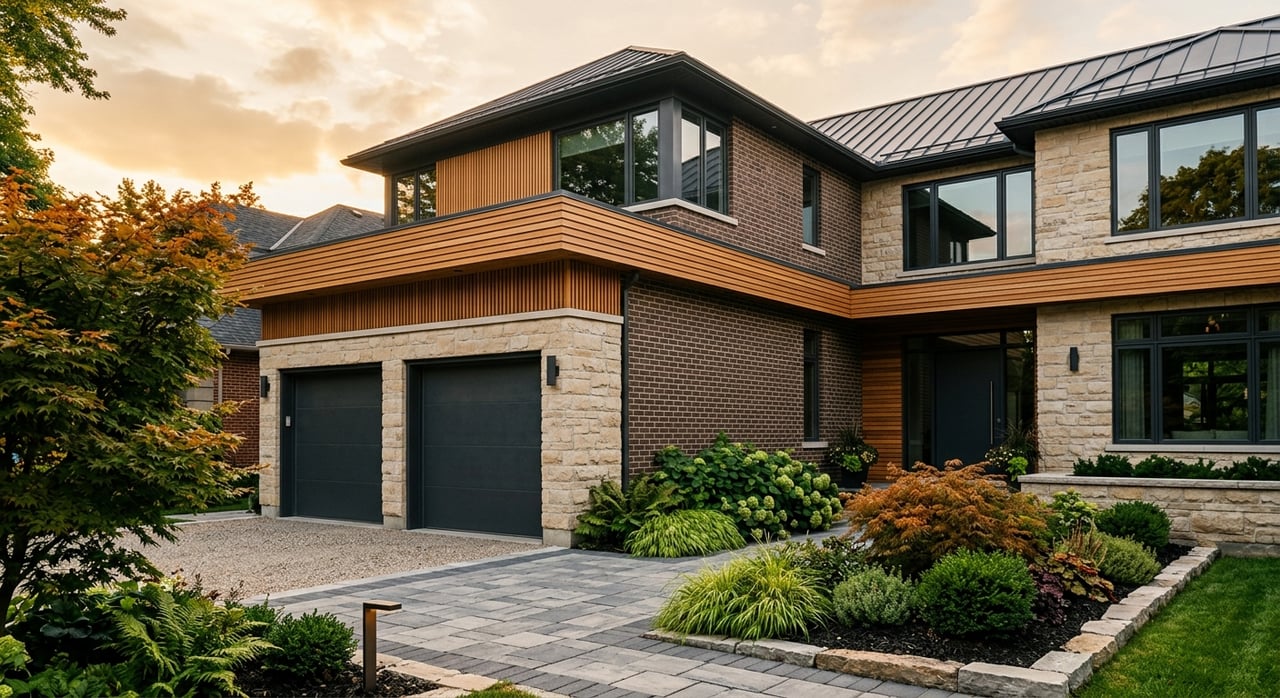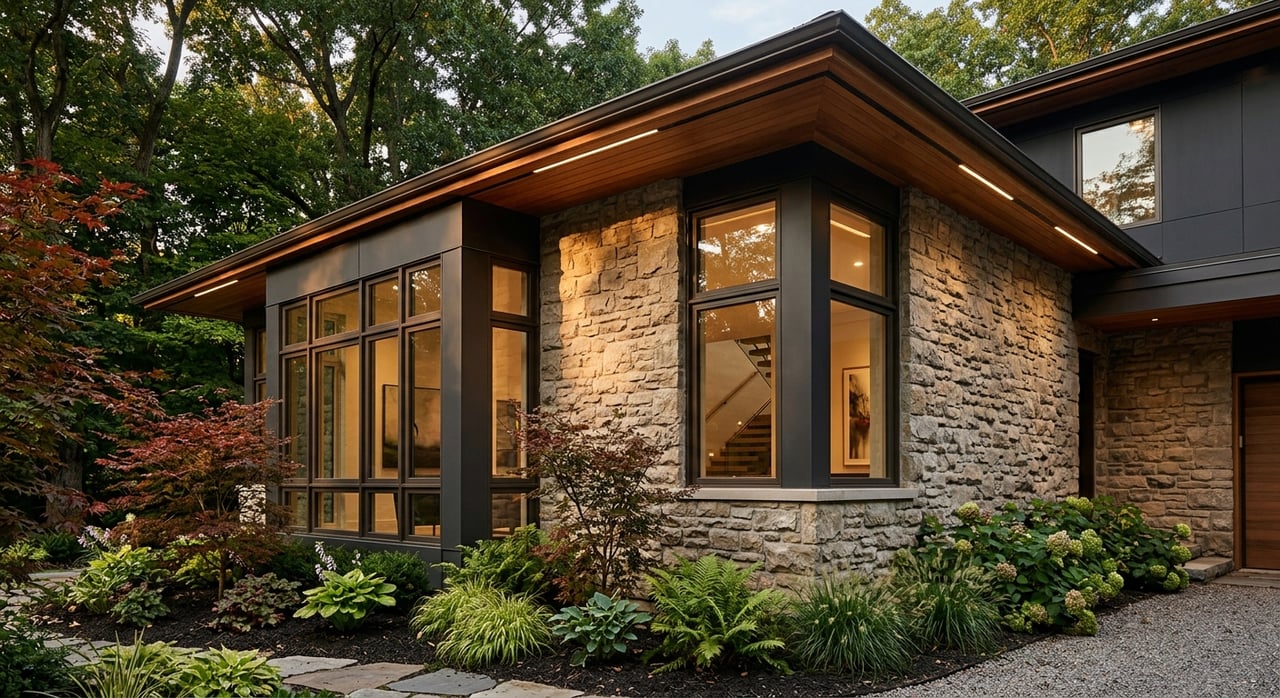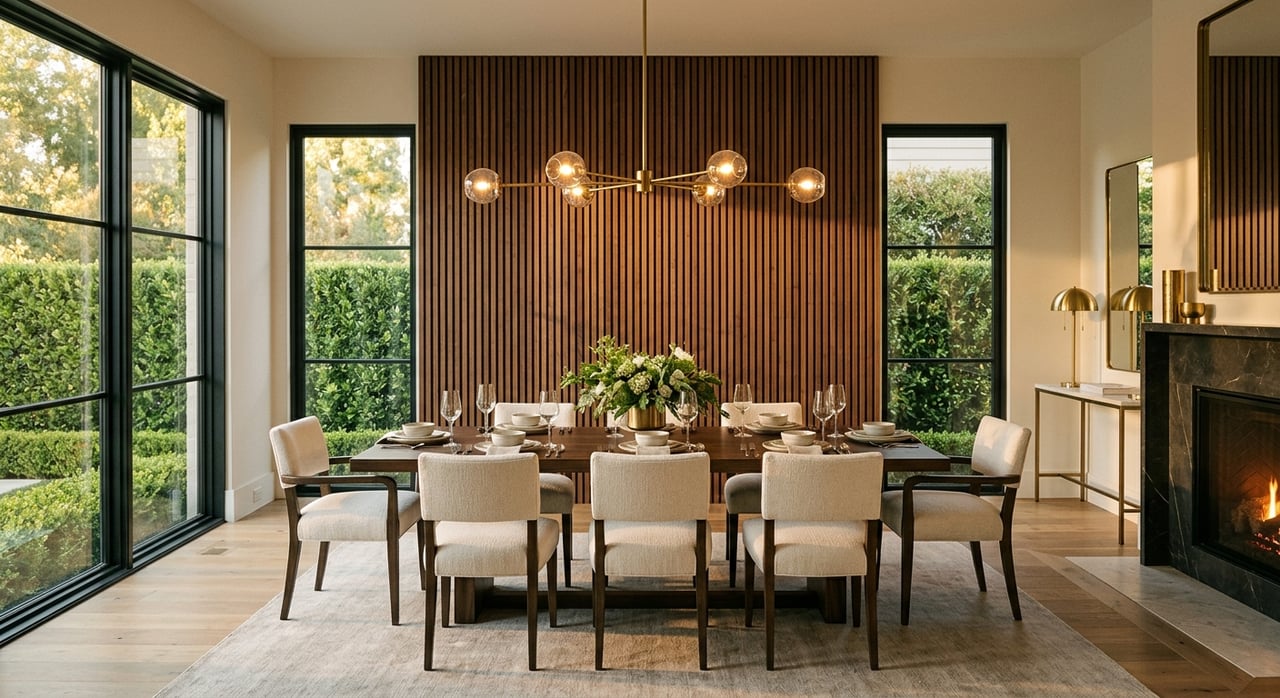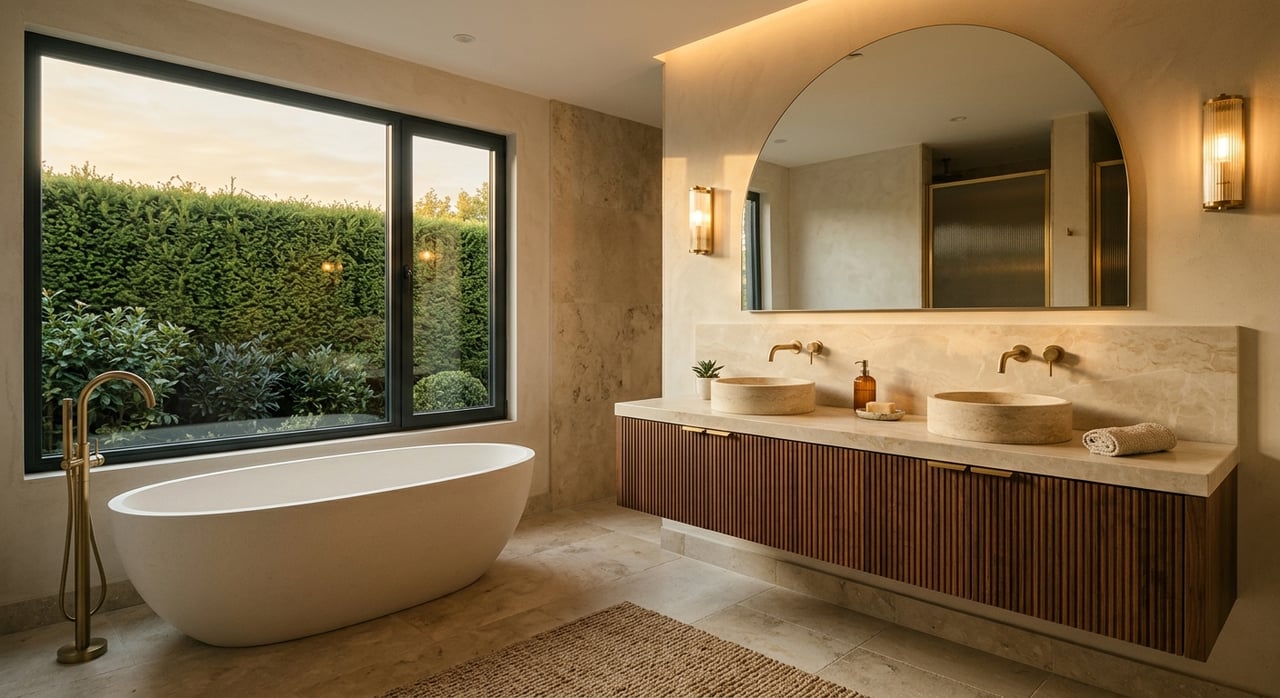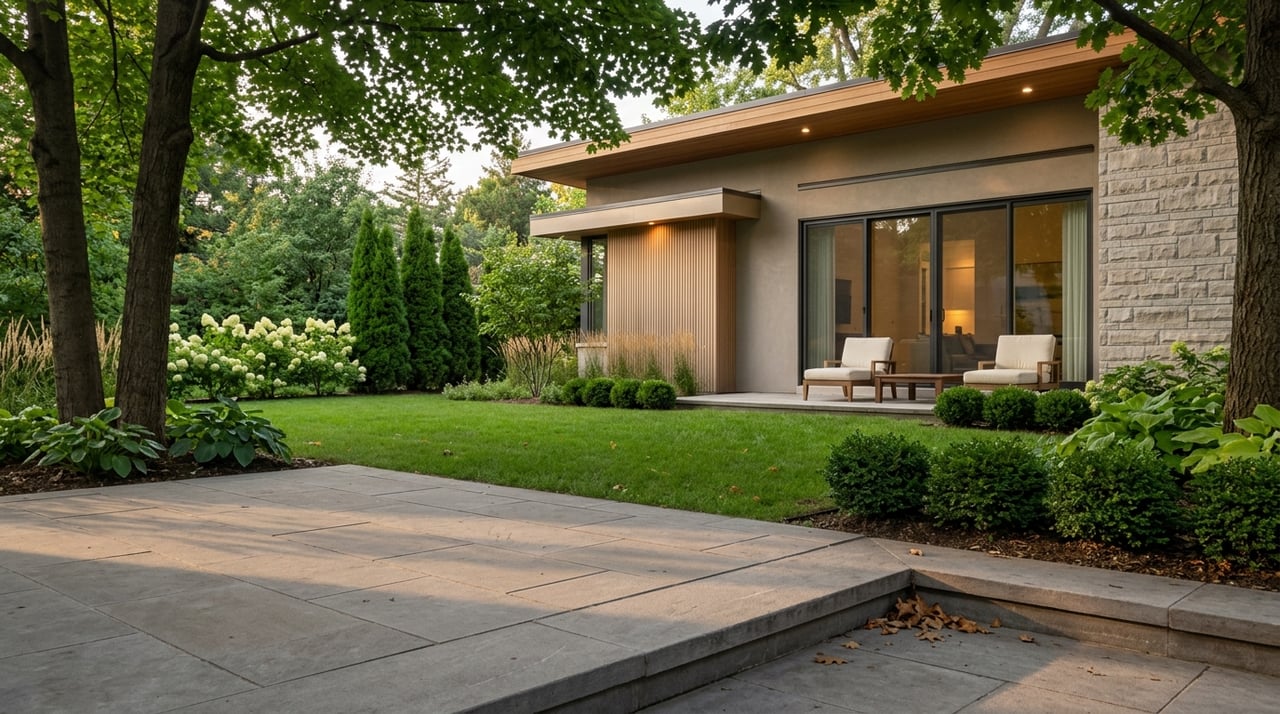
Choosing between a new build and an established estate in Aurora is not just about age. It is about how you want to live, how much process you are comfortable with, and what kind of setting feels right when you pull into the driveway. If you are weighing modern convenience against mature lot character, this guide will help you compare both paths with more clarity and confidence. Let’s dive in.
Aurora Gives You Two Distinct Paths
Aurora’s housing story is shaped by both growth and legacy. The Town adopted its Updated Official Plan in January 2024, and York Region approved it in May 2024, with secondary plans pointing growth toward areas such as Aurora Northwest, Yonge Street South, Bayview Southeast Area 2A, Bayview North East Area 2B, and Aurora Northeast Area 2C.
That matters because new-build opportunities often appear in planned growth areas, while established estate homes are more commonly found in older parts of town. Aurora has also planned for about 23,100 additional residents over 30 years, which helps explain why both new construction and redevelopment continue to shape the market.
Why Buyers Choose New Builds
For many luxury buyers, a new build offers a cleaner, more predictable path. You are often getting newer systems, current layouts, modern finishes, and in some cases the ability to personalize details before the home is complete.
Tarion says new homes sold by licensed builders in Ontario include a statutory warranty that can extend up to seven years after completion. For buyers who want a more structured purchase with a defined warranty framework, that can be a meaningful advantage.
New-Build Benefits That Stand Out
Several practical features tend to draw buyers toward new construction:
- Modern layouts and design choices
- New mechanical systems and materials
- Potential energy-efficiency advantages
- Opportunity to select finishes or upgrades
- Warranty protection through Ontario’s new home framework
Tarion’s 2023 buyer report found that Ontarians often prefer newly built homes because of size and space, price, energy efficiency, style and design, and warranty coverage. In Aurora’s luxury segment, that often translates into a home that feels turnkey and highly curated from day one.
New-Build Costs to Budget For
New construction can also come with a different cost structure than resale. Ontario says HST applies to newly constructed or substantially renovated homes, while resale homes do not carry that same HST treatment.
The Canada Revenue Agency notes that buyers in Ontario may be eligible for an Ontario new housing rebate of up to $24,000 on the provincial portion if conditions are met. Land transfer tax still applies on Ontario purchases, so it is important to budget for closing taxes along with any upgrades you choose through the builder.
Customization Needs to Be in Writing
If you are drawn to a new build because you want tailored finishes, documentation matters. Tarion notes that upgrades and customizations only have warranty coverage if they are included in the purchase agreement.
In plain terms, if a finish or feature matters to you, make sure it is clearly written into the contract. This is one of those small details that can save a lot of frustration later.
Why Buyers Choose Established Estates
Established estate homes in Aurora offer something that is hard to reproduce overnight. The appeal is often tied to lot size, mature trees, settled streetscapes, and a stronger sense of long-term neighbourhood identity.
In many cases, these homes sit within parts of Aurora where the landscape has had decades to mature. If privacy, greenery, and architectural individuality matter to you, an established estate may feel more compelling than a newly built alternative.
Character and Setting Matter in Aurora
Aurora’s own planning and heritage framework helps explain why older areas can feel so distinctive. The Town protects Northeast Old Aurora as a heritage conservation district, and the district plan describes century homes on streets lined with mature trees.
The Town’s Stable Neighbourhoods study also highlights qualities found in older areas. Aurora Heights and Regency Acres are described as large-lot areas with wide setbacks, openness, and mature greenery. Town Park is described as a more eclectic area with large lots, mature trees and landscaping, and a mix of older homes and newer construction.
These are not sales adjectives. They are useful planning descriptions that help you understand the physical feel of established parts of Aurora.
Older Lots Can Come With More Oversight
The beauty of a mature property can also come with added rules. In Northeast Old Aurora, certain alterations and new construction must fit the heritage district plan, and heritage permits are required for some changes.
Tree rules are also important on older lots. The Town says permits are required before removing a single heritage tree or a single tree in a heritage district, and the bylaw generally limits unpermitted removal to two trees per private property in a 12-month period.
For the right buyer, this is not a downside. It is simply part of owning a property where mature landscaping and neighbourhood character are part of the value.
The Real Tradeoff: Certainty or Character
In Aurora, the decision is rarely as simple as new versus old. More often, it comes down to what you value most in your day-to-day life and in your long-term ownership plan.
A new build often suits buyers who want a more controlled process, current design standards, and warranty-backed peace of mind. An established estate often suits buyers who care more about mature surroundings, lot presence, and a streetscape that already feels settled.
When a New Build May Fit Better
A new build may be the better match if you:
- Prefer modern layouts and finishes
- Want warranty coverage through a licensed builder purchase
- Value a more predictable maintenance profile in the early years
- Like the idea of choosing certain finishes before move-in
- Are comfortable waiting for completion if the home is not ready yet
Tarion notes that pre-construction buyers commonly focus on completion timing and what happens if construction is delayed. If your move has a firm timeline, that question deserves close attention.
When an Established Estate May Fit Better
An established estate may be the better fit if you:
- Want a larger or more mature lot
- Prioritize privacy, tree canopy, and landscaping
- Appreciate older neighbourhood structure and identity
- Are open to updates, renovation, or long-term customization
- Prefer an existing home with immediate occupancy potential
Aurora says the Town has more than 700 acres of parkland and an urban tree canopy estimated at 28 per cent. In established areas, that mature natural setting can be a meaningful part of the ownership experience.
Key Questions to Ask Before You Decide
If you are comparing properties at this level, asking sharper questions early can save time. Aurora’s planning framework makes a few of these questions especially important.
Is the Home in a Growth Area?
If the property is in a planned growth area, the surrounding context may continue to evolve over time. That can appeal to buyers who want newer housing stock and future development momentum.
Is the Home in a Mature or Protected Area?
If the home is in an older neighbourhood or heritage district, you may gain more character and lot quality, but future changes could involve extra review. That is especially relevant if you are already thinking about additions, exterior changes, or a long-term redesign.
Are There Heritage or Tree Permit Issues?
On mature properties, especially in heritage contexts, permits can become part of the ownership process. This does not mean you cannot improve the property. It means you should understand the process before you buy.
What Is Your Timeline?
A resale estate may better suit a buyer who wants a faster, clearer move. A new build may appeal more if you can wait for completion and want a more customized result.
Are You Planning a Major Renovation?
Aurora’s Stable Neighbourhoods study recommends basic site plan review in the study area for new or replacement single and semi-detached dwellings, additions of 50 square metres or more, and new or replacement detached garages. If you are buying for a future teardown, rebuild, or large addition, this is a practical point to review early.
A Simple Side-by-Side Comparison
| Consideration | New Build in Aurora | Established Estate in Aurora |
|---|---|---|
| Setting | Often tied to planned growth areas | Often found in older neighbourhoods |
| Design | Modern layouts and finishes | Character and individuality vary by home |
| Warranty | Statutory warranty on licensed builder homes | No new-home warranty framework |
| Costs | HST may apply, plus upgrades and closing costs | Resale structure, no HST on the home itself |
| Timeline | May involve waiting for completion | Often supports a quicker move |
| Future changes | Customization usually starts with builder options | Renovations may involve tree or heritage review |
| Lot feel | Varies by project | Often stronger on mature greenery and setback |
How to Make the Right Choice for You
There is no universal winner here. The right decision depends on whether you want the polished simplicity of a new home or the enduring presence of an established estate.
If your priority is a streamlined, warranty-backed purchase with modern design, a new build may offer the clarity you want. If your priority is land, trees, setting, and a more rooted streetscape, an established estate may hold more long-term appeal.
In Aurora, the best choice is usually the one that matches both your lifestyle and your tolerance for process. If you want a discreet, white-glove strategy for evaluating luxury options in Aurora, connect with Lisa Colalillo for curated guidance built around your timeline, priorities, and long-term goals.
FAQs
What is the main difference between a new build and an established estate in Aurora?
- A new build usually offers modern design, builder process, and warranty protection, while an established estate usually offers mature lots, landscaping, and a more settled neighbourhood setting.
Do new-build homes in Aurora come with a warranty?
- Yes. Tarion says new homes sold by licensed builders in Ontario come with a statutory warranty that can last up to seven years after completion.
Do buyers pay HST on a new build in Aurora?
- Yes. Ontario says HST applies to newly constructed or substantially renovated homes, while resale homes are generally treated differently.
Are older estate homes in Aurora subject to heritage rules?
- Some are. In areas such as Northeast Old Aurora, certain alterations and new construction must fit the heritage district plan, and some changes require heritage permits.
Can tree removal affect an established estate purchase in Aurora?
- Yes. Aurora says permits are required before removing a single heritage tree or a single tree in a heritage district, and there are also limits on unpermitted tree removal on private property.
Is a resale estate home in Aurora easier for a quick move?
- Often, yes. A resale estate may better suit buyers who want immediate occupancy or a shorter timeline than a pre-construction or under-construction home.
Should Aurora buyers consider renovation review before buying an older property?
- Yes. Aurora’s Stable Neighbourhoods study recommends basic site plan review in the study area for some larger additions, replacement dwellings, and new or replacement detached garages.