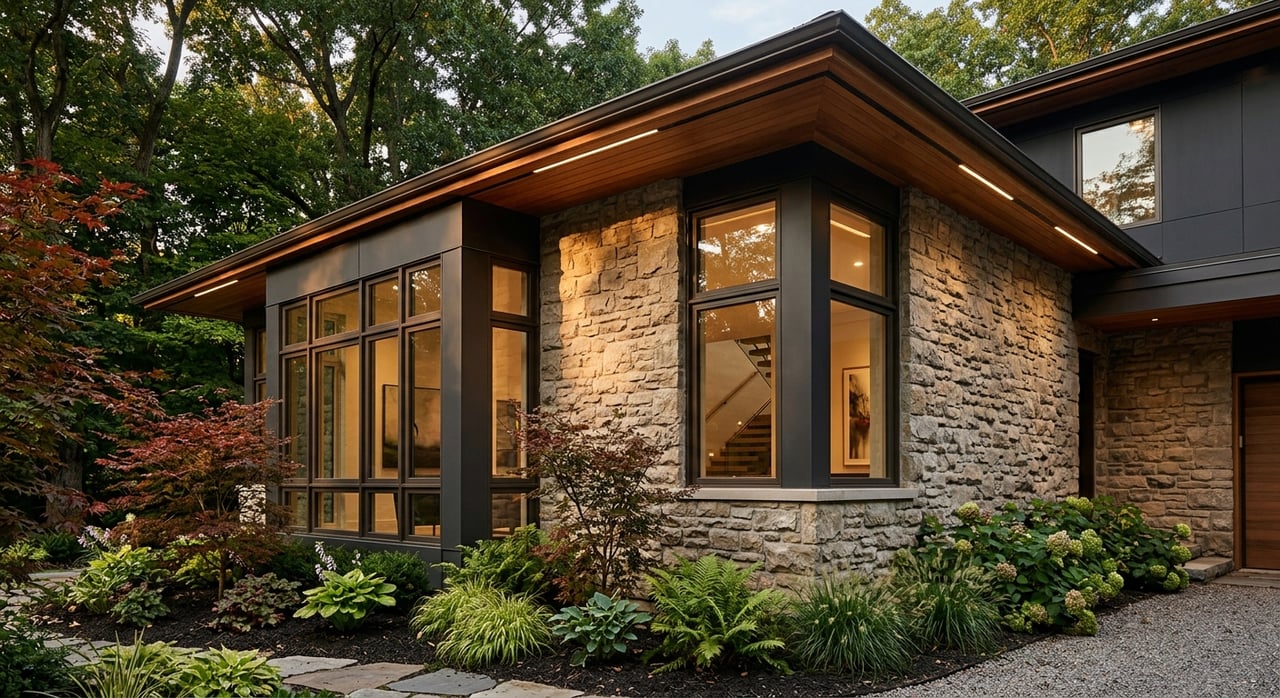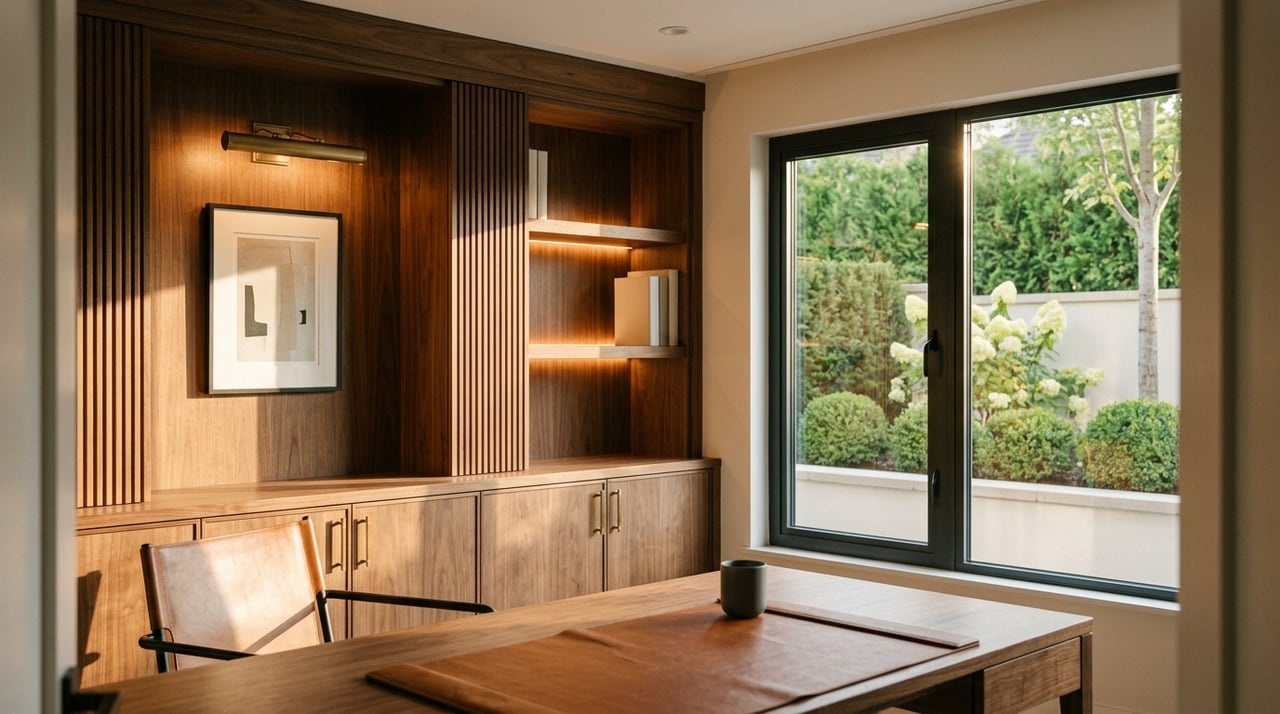
Thinking about a bigger home in Aurora without giving up the routines, streets, and daily convenience you already love? For many homeowners, upsizing is not about leaving town. It is about finding a property that better fits your next chapter, whether that means more room to host, more privacy, or space for multigenerational living. In this guide, you’ll learn how to think through the move from a family home to an estate property in Aurora with more clarity around timing, financing, and local market context. Let’s dive in.
Why Aurora Works for Upsizers
Aurora offers a rare mix of continuity and change. The town describes itself as a fast-growing community about 30 minutes north of Toronto, with urban amenities and a small-town lifestyle. That combination matters when you want a larger home but do not want to rebuild your life somewhere unfamiliar.
The local demographic picture also helps explain why upsizing within Aurora is such a common conversation. Statistics Canada’s 2021 census profile reported 62,057 residents, a median age of 42.0, and population growth of 11.9% from 2016 to 2021. The town’s planning documents also note a higher share of children and youth than Ontario overall, alongside an aging population.
In practical terms, Aurora supports households that are growing, changing, and planning ahead. You may want more space now, but also a property that works well for the next 10 to 20 years. That is where estate-style living inside the same town becomes especially appealing.
What “Estate Property” Means in Aurora
In Aurora, this is not just a lifestyle label. The town’s updated Official Plan includes an Estate Residential designation, and the zoning by-law includes an ER Estate Residential zone. That gives useful local context if you are moving from a standard detached home into a larger, more custom property while staying rooted in Aurora.
For you, the shift is often less about changing communities and more about changing scale. An estate property may offer a larger lot, more interior square footage, enhanced privacy, custom design, or better space for entertaining and long-term family needs. It can also mean more exterior maintenance, more systems to manage, and a more complex purchase and sale process.
That is why this move works best when you treat it as both a lifestyle decision and a financial one. The right property should fit how you live now while still making sense on paper.
Aurora Market Context for a Move Up
If you are upsizing in Aurora, you are not stepping into a completely separate market. You are moving within a premium local housing environment. TRREB’s April 2026 Market Watch shows 29 detached home sales in Aurora, with an average price of $1,461,203 and a median price of $1,339,900.
For comparison, York Region detached homes averaged $1,433,812 in the same report. That tells you Aurora sits at a premium, but still within the same broader regional market conversation. For current homeowners, that can be encouraging because your sale and your next purchase are often influenced by related local conditions rather than two unrelated markets.
Still, the jump from a family home to an estate-calibre property can be meaningful. Price gaps, lot premiums, custom finishes, and limited inventory can all affect your timing. A well-planned move-up strategy matters more than ever when the next home is both higher in value and more specific in its appeal.
Start With Your Equity Position
Before you tour estate properties, get clear on what you already have to work with. Home equity is the portion of your home you own, which is your home’s appraised value minus your mortgage balance and any other loans secured against it. That number is the foundation of your next move.
Your equity may need to cover more than just a down payment. It can also help fund closing costs, moving expenses, Ontario land transfer tax, and a reserve for any overlap between homes. If your down payment on the next purchase is below 20%, mortgage loan insurance may apply, which is why your available equity buffer matters.
This is often the stage where homeowners realize the move is possible, but only with careful sequencing. Knowing your rough net proceeds early helps you shop with more confidence and fewer surprises.
Key Costs to Plan For
When you move up in Aurora, your budget should account for the full transaction, not just the sticker price of the next home. A polished plan usually includes:
- Your remaining mortgage payout
- Any prepayment penalty if you break your current mortgage early
- Realtor, legal, and moving costs
- Ontario land transfer tax on the purchase
- A reserve for temporary overlap or unexpected expenses
One local point is easy to miss. Aurora buyers pay Ontario land transfer tax, but not Toronto’s municipal land transfer tax, which only applies to purchases in the City of Toronto. If you are considering a newly built or substantially renovated home, Ontario also notes that HST can apply in those cases, while resale homes are generally different.
Check Your Mortgage Before You List
One of the most important move-up details is often hiding in your current mortgage documents. If your existing mortgage has a favorable rate or terms, it may be portable. According to FCAC, a ported mortgage can transfer the balance, rate, and terms to the new home.
Some mortgages may also be assumable, meaning a buyer could take over the mortgage in certain cases. Just as important, selling before your mortgage term ends can trigger a prepayment penalty. That is why your sale date and mortgage maturity date should be reviewed together, not separately.
For busy households, this step can protect both time and money. A smart upsizing plan looks at the mortgage strategy before the listing goes live.
Should You Sell First or Buy First?
Most Aurora upsizers are choosing between three practical paths: sell first, buy first, or align the two closings with a financing buffer. The right answer depends on your risk tolerance, timeline, and the type of estate property you want.
Selling First for Certainty
Selling first usually gives you the cleanest budget picture. You know your net proceeds before making an offer, which can reduce stress and help you make decisions with more precision. If certainty matters most, this option often creates the strongest financial footing.
Buying First for Flexibility
Buying first can make sense when the right estate property is hard to find and moves quickly. This path can work well if you have already confirmed pre-approval and understand your bridge or temporary financing options. It offers flexibility, but it usually requires a stronger cash and financing position.
Coordinating Closings to Reduce Stress
Some households use a conditional purchase, same-day closing, or a short bridge period to smooth the transition. These are not shortcuts. They are coordination tools that can make the move more manageable when handled carefully.
The main takeaway is simple: your sale price, mortgage terms, and purchase closing date should be planned together. When those pieces are aligned, the move often feels more controlled and less reactive.
HELOC or Bridge Financing?
If timing does not line up perfectly, temporary financing may come into the conversation. Two common tools are a HELOC and bridge financing, but they serve different purposes.
A HELOC is a revolving line of credit secured against your home. It can offer flexibility, but the balance must be repaid when the home is sold. That makes it useful in some situations, though it still needs to fit your broader sale plan.
Bridge financing is short-term borrowing that uses your current home equity to cover the gap between buying and selling. Bank guidance typically requires a firm sale agreement on your existing home and approval for the new mortgage. If your purchase and sale dates are close together, bridge financing can be a practical tool, but it should be arranged early.
Tax Points Worth Knowing
For many homeowners, the sale of a principal residence does not trigger tax on the gain if the property was your principal residence for every year you owned it. However, the CRA says that if part of the property was rented or used to earn income, the sale may need to be reported and tax may apply to some or all of the gain.
The CRA also says sales of real estate in 2016 and later must be reported. If your current home has a rental suite, office use with income implications, or another mixed-use element, it is worth clarifying that early. It is much easier to address these details before your sale is underway.
The Lifestyle Shift to Expect
Moving from a family home to an estate property in Aurora is often about living with more intention, not just more square footage. You may be looking for space to host extended family, a more private setting, dedicated work areas, or a home that feels more tailored to how you live now. Staying in Aurora lets you pursue that shift without losing local familiarity.
At the same time, a larger property usually comes with more upkeep. Landscaping, snow management, exterior maintenance, and household systems can all become bigger considerations. A successful move-up decision balances aspiration with practicality.
That is especially true if your goal is long-term stewardship. The right estate property should feel elevated, but it should also feel manageable for your lifestyle, schedule, and financial comfort.
A Smarter Way to Plan Your Move
If you are considering an upsize in Aurora, start with a clear sequence. Review your likely sale value, estimate your net equity, examine your mortgage terms, and map the costs of the next purchase before you begin touring seriously. That early work can save time, protect leverage, and make your eventual decisions much easier.
For high-value moves, details matter. The right advice is not only about finding a beautiful property. It is about coordinating timing, valuation, and transaction structure in a way that protects your next step.
If you are weighing a move from a family home to an estate property in Aurora, Lisa Colalillo offers a discreet, white-glove approach designed to help you move with clarity, confidence, and careful local insight.
FAQs
What does upsizing to an estate property in Aurora usually involve?
- It usually means moving from a standard detached home to a larger or more custom property with features like more land, more interior space, added privacy, or room for multigenerational living, while staying in Aurora.
How do Aurora homeowners estimate equity before upsizing?
- Home equity is generally your home’s appraised value minus your mortgage balance and any other loans secured against the property, and that equity may help cover the next down payment, closing costs, taxes, and moving expenses.
Should Aurora homeowners sell their current home before buying an estate property?
- Selling first often gives you more budget certainty because you know your net proceeds, while buying first may work better when estate inventory is limited and you already have strong financing in place.
What financing options help bridge an Aurora move-up purchase?
- A HELOC may provide flexible access to home-secured credit, while bridge financing is short-term borrowing that can help cover the gap between buying and selling when you have a firm sale and mortgage approval.
What taxes should buyers expect when purchasing in Aurora, Ontario?
- Buyers should plan for Ontario land transfer tax, but not Toronto’s municipal land transfer tax, and HST may apply to newly constructed or substantially renovated homes rather than typical resale homes.
Do Aurora homeowners pay tax when selling a principal residence?
- Many do not pay tax on the gain if the home was their principal residence for every year of ownership, but if part of the property was rented or used to earn income, reporting and tax may apply to some or all of the gain.