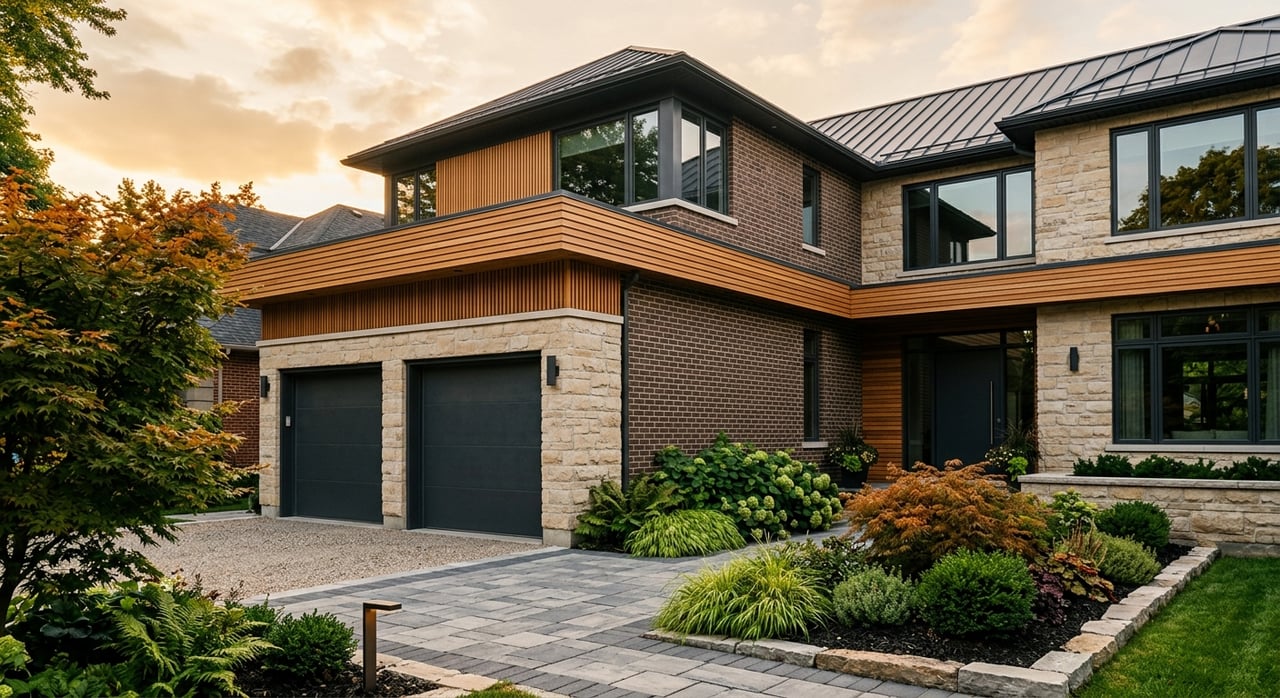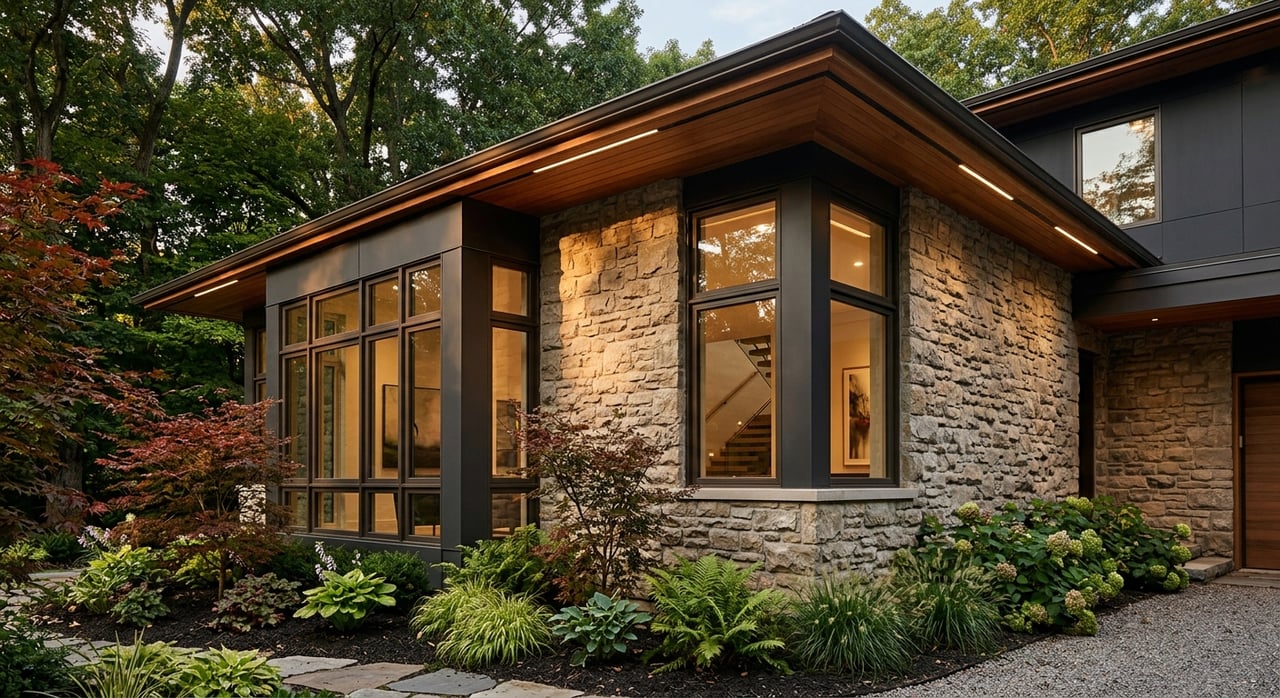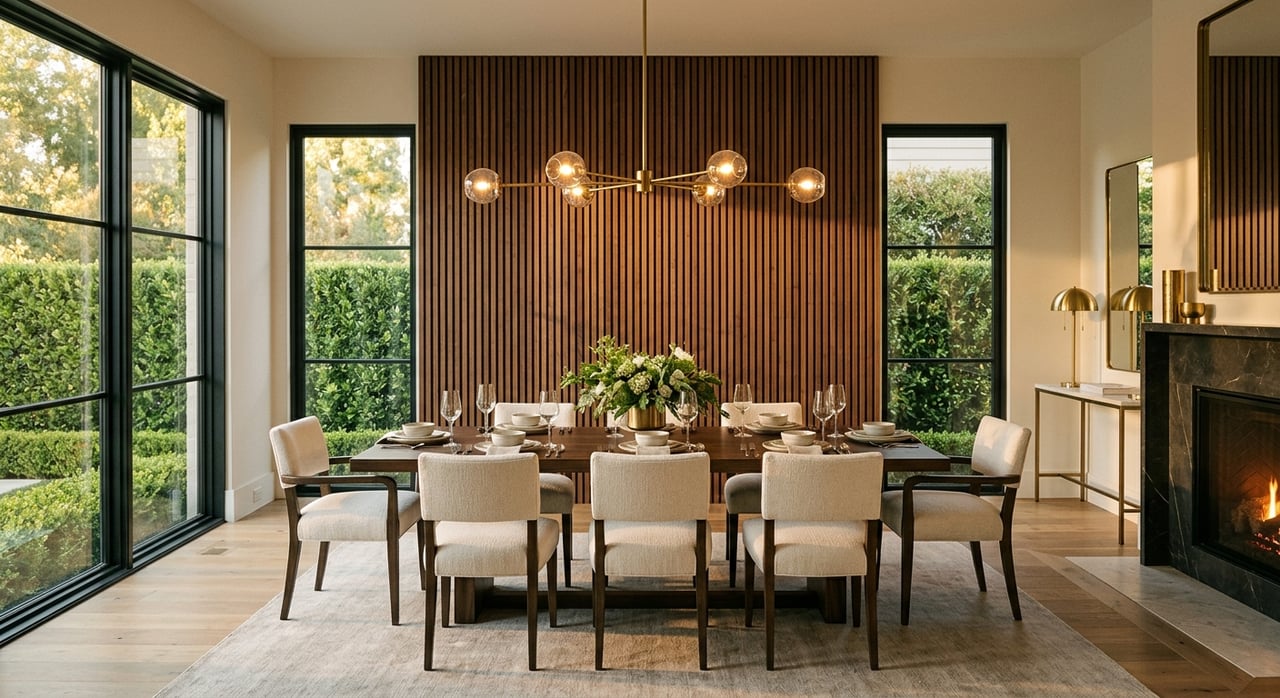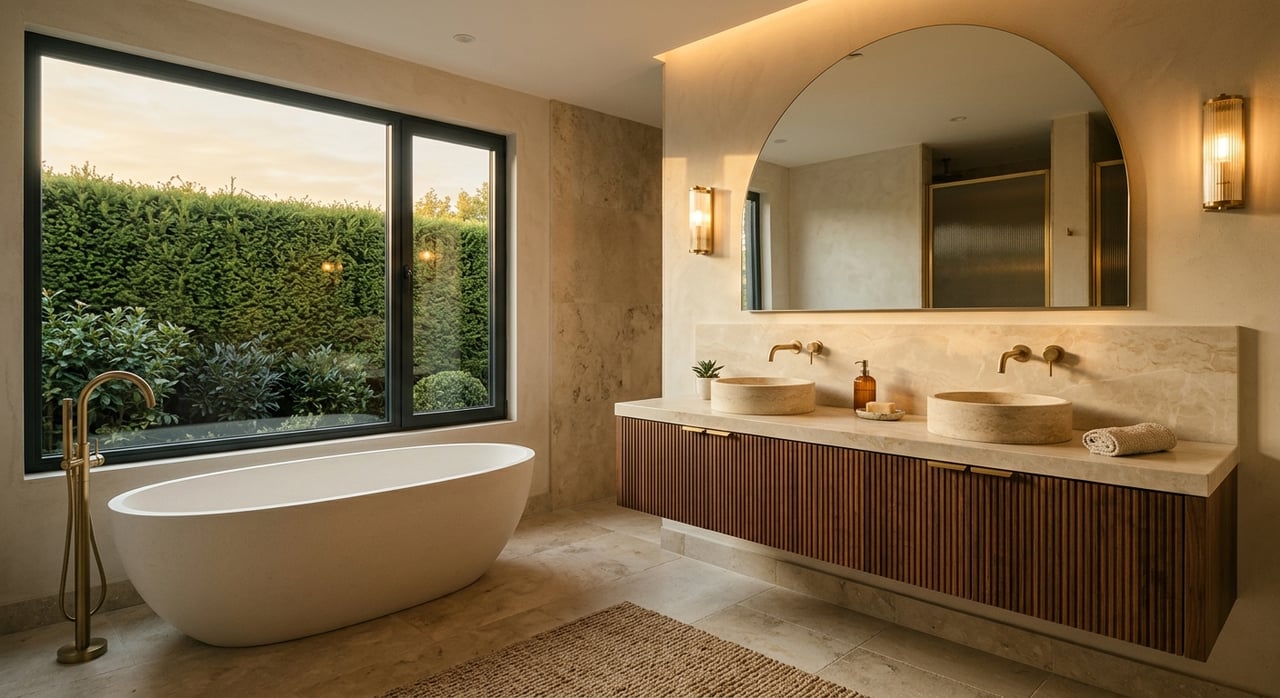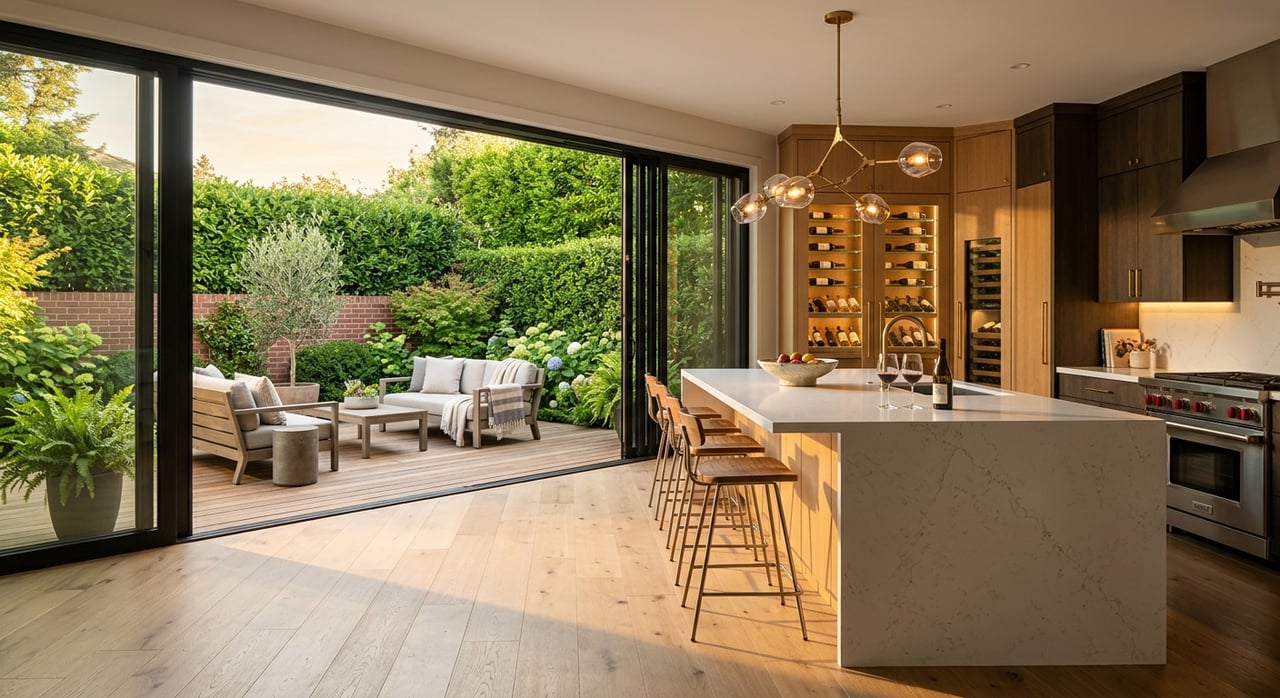
If you love to host, your home should do more than look beautiful. It should help people gather easily, move comfortably, and enjoy the space in every season. In Aurora, where detached homes and generous room counts are common, thoughtful entertaining design can support both daily living and future resale. Let’s look at the features that can make an entertainer’s home feel polished, practical, and well planned.
Why Aurora Homes Suit Entertaining
Aurora offers a strong backdrop for lifestyle-driven home design. Statistics Canada reports that 81.3% of homes are owner-occupied, 60.4% of occupied private dwellings are single-detached houses, and the average dwelling has 7.1 rooms. That combination gives many homeowners the space to create connected gathering areas, expanded kitchens, and more flexible indoor-outdoor zones.
There is also a financial reason to think carefully about entertaining upgrades. York Region reported 790 Aurora resales in 2024, with an average resale price of $1,414,837 across all dwelling types. While every property is unique, that data supports a practical view of renovations as both lifestyle improvements and decisions that may influence buyer appeal later on.
Start With Flow and Circulation
An entertainer’s home works best when people can move naturally through it. Guests should be able to chat, pour a drink, or step outside without blocking the kitchen’s core work zones. That balance is what makes a home feel calm during a busy gathering.
The NKBA Kitchen Planning Guidelines offer a useful framework here. They recommend a clear doorway opening of at least 32 inches, avoiding door interference with appliances, and keeping the total travel distance between the three main work centers to no more than 26 feet, with each leg between 4 and 9 feet. They also advise against placing a full-height, full-depth obstacle between two primary work centers.
In practical terms, that often means separating guest activity from prep activity. You might place seating at an island edge rather than inside the main cooking path, or locate beverage storage where guests can access it without crossing in front of the range or sink. The goal is simple: your space should feel social without becoming crowded.
Design Around Hosting Moments
Think about how you actually entertain. A home built for large holiday dinners may need different zones than one designed for casual wine nights or summer barbecues. When you map the room around real habits, the design usually feels more natural.
Useful hosting zones often include:
- A prep zone for food assembly and plating
- A cleanup zone that stays slightly tucked away
- A beverage zone guests can access independently
- A serving zone near the dining or outdoor area
- A transition zone between kitchen, family room, and yard
Make the Kitchen Social and Functional
For many Aurora homes, the kitchen is the center of entertaining. With detached homes and larger average room counts, open or semi-open layouts are often more achievable than in tighter urban properties. That can support a more connected experience between cooking, dining, and conversation.
Still, openness alone is not enough. The kitchen needs to function well under pressure, especially when you are cooking for a group. A beautiful space with poor circulation can feel stressful fast.
Prioritize Island Placement
An island often becomes the social anchor of the room. It can support serving, casual seating, and conversation, but only if it leaves enough room for people to move around it easily. If the island interrupts the kitchen’s main work path, it can create friction rather than flow.
A strong layout usually gives you room to prep on one side while guests gather on another. That way, the kitchen remains welcoming without sacrificing efficiency. In higher-finish homes, this also helps the space feel more intentional and curated.
Add Purposeful Storage
Entertaining spaces tend to work better when surfaces stay clear. Storage for serving pieces, glassware, table linens, and small appliances can help you reset the room quickly before guests arrive. It also makes everyday living easier.
If you entertain often, it may make sense to group these items near the spaces where you use them. Glassware near a beverage station, platters near the island, and outdoor dining essentials near the backyard door can all improve function without changing the footprint dramatically.
Use Layered Lighting for Mood
Lighting has a major effect on how your home feels when guests arrive. The NKBA recommends appropriate task lighting at every work surface in addition to general lighting. The U.S. Department of Energy also describes effective lighting as a balance of ambient, task, and accent layers, with separate controls for task and accent lighting.
For entertaining, this layered approach matters. Bright, even light may work well during meal prep, but evening hosting usually benefits from a softer and more controlled atmosphere. That is where dimmers and scene-based lighting can make a real difference.
Build Lighting in Layers
A polished entertaining space often includes:
- Ambient lighting for overall brightness
- Task lighting at prep surfaces, sinks, and serving areas
- Accent lighting to highlight millwork, art, or architectural features
- Separate controls so you can shift the mood from daytime use to evening hosting
In Aurora’s premium detached homes, layered lighting can also support the refined, sensory-rich look many buyers and homeowners want. It makes the space feel finished, not just furnished.
Plan Indoor-Outdoor Living for Four Seasons
Aurora’s climate should shape how you design for entertaining. Nearby Toronto Buttonville climate normals show an average daily temperature of -6.0°C in January and 21.5°C in July, with annual precipitation of 862.4 mm and annual snowfall of 146.4 cm. January averages 40.3 cm of snowfall, while July averages 85.2 mm of precipitation.
That kind of four-season pattern means outdoor entertaining should be planned as weather-adaptable, not just summer-focused. Covered dining areas, durable materials, and protected transitions between the house and yard are practical responses to local conditions. Drainage and snow management also deserve attention from the start.
Smart Outdoor Features for Aurora
If you are designing an entertainer’s backyard, consider features that help the space perform across more of the year:
- Covered patio or dining area
- Wide, sheltered access from the kitchen to the yard
- Slip-resistant, durable exterior finishes
- Drainage planning around patios and seating areas
- Storage for cushions, serving pieces, and seasonal items
- Outdoor layouts that still feel usable in cooler shoulder seasons
This kind of planning can make outdoor space feel like a real extension of the home rather than a short-season bonus.
Think Carefully About Wine Storage
Wine storage is a common luxury feature, but design matters. Miele advises storing wine between 42°F and 64°F, with 53°F to 57°F suitable when red and white wines are stored together. It also notes that humidity, low vibration, and UV protection are important, and that temperatures above 71°F or below 41°F can interfere with maturation.
That guidance supports a practical distinction between display and storage. Decorative open shelving may look attractive, but it is not the same as a conditioned wine room, chilled cabinet, or properly designed basement storage area. If wine is part of how you entertain, proper conditions are worth planning for.
Display Versus Preservation
If your goal is visual impact, a feature wall or glass-front display may work well for short-term presentation. If your goal is preserving a collection, temperature control and protection from light and vibration matter much more. The right choice depends on whether you are styling the room, storing wine long term, or both.
Balance Lifestyle With Resale Appeal
Not every entertaining upgrade adds equal value. The best projects tend to improve how the home lives now while also broadening appeal for future buyers. In Aurora, that often means choosing upgrades that feel elevated but widely usable.
Examples include a well-planned kitchen, quality lighting, strong indoor-outdoor flow, and durable exterior materials. Highly specific features can still be worth doing if they suit your lifestyle, but it helps to pair them with timeless finishes and practical layout decisions.
For homeowners in Aurora’s premium market, this is where strategy matters. Thoughtful design can support both day-to-day enjoyment and a stronger presentation if you decide to sell later.
Understand Permits Before You Build
Before starting major entertaining upgrades, check Aurora’s local requirements. The Town states that even projects that do not require a building permit must still comply with the zoning by-law and, if applicable, the Ontario Building Code. Its guidance also notes that some decks under 0.6 metres above grade and without a roof may not require a permit, but they still must meet zoning requirements.
For pools and hot tubs, Aurora states that permit requirements apply to in-ground, above-ground, and even temporary or blow-up pool kits, and that pool enclosure permits are part of the process. The Town also notes that zoning regulates setbacks, lot sizes, height, parking, ancillary uses, and non-conforming buildings.
Projects That Need Early Review
It is wise to review approvals early if your entertaining plans involve:
- Decks and covered outdoor structures
- Pools or hot tubs
- Fences and enclosures
- Accessory structures
- Additions that change the property footprint
- Outdoor rooms or built features near lot lines
This early step can save time, avoid redesigns, and keep your project aligned with local requirements.
Design With Intention
An entertainer’s home in Aurora should feel easy, not overdone. The most successful spaces combine circulation, comfort, lighting, storage, and seasonal planning in a way that supports how you actually live. When those pieces come together, hosting feels more relaxed and the home feels more complete.
If you are improving your home with both lifestyle and resale in mind, clear strategy matters. The right choices can help you enjoy the property now while preserving its market appeal for the future. For tailored guidance on what today’s Aurora buyers value in premium homes, connect with Lisa Colalillo.
FAQs
What makes a home in Aurora good for entertaining?
- Aurora has a high share of owner-occupied and single-detached homes, plus an average of 7.1 rooms per dwelling, which can support larger kitchens, connected living areas, and flexible indoor-outdoor spaces.
How should you design an outdoor entertaining area in Aurora’s climate?
- Because local climate data shows cold winters, snowfall, and summer precipitation, outdoor spaces usually work best when they include covered areas, durable finishes, protected access to the home, and good drainage.
What kitchen layout features help when entertaining at home?
- Helpful features include clear circulation, guest access that does not block prep zones, and work-center planning that follows NKBA guidance for spacing, appliance clearance, and travel distance.
Is decorative wine shelving enough for wine storage in a luxury home?
- Not always. Proper wine storage is better supported by conditioned wine rooms, chilled cabinets, or well-designed basement storage because temperature, humidity, UV protection, and vibration all matter.
Do entertaining upgrades in Aurora need permits?
- Some do and some do not, but even projects that may not require a building permit still need to comply with zoning rules and, where applicable, the Ontario Building Code. Decks, pools, hot tubs, enclosures, and footprint changes should be reviewed carefully.
Should you renovate for entertaining if you may sell later?
- In many cases, yes. In Aurora’s resale market, well-planned upgrades can support your lifestyle now while also improving buyer appeal later, especially when they are functional, timeless, and suited to the home’s layout.