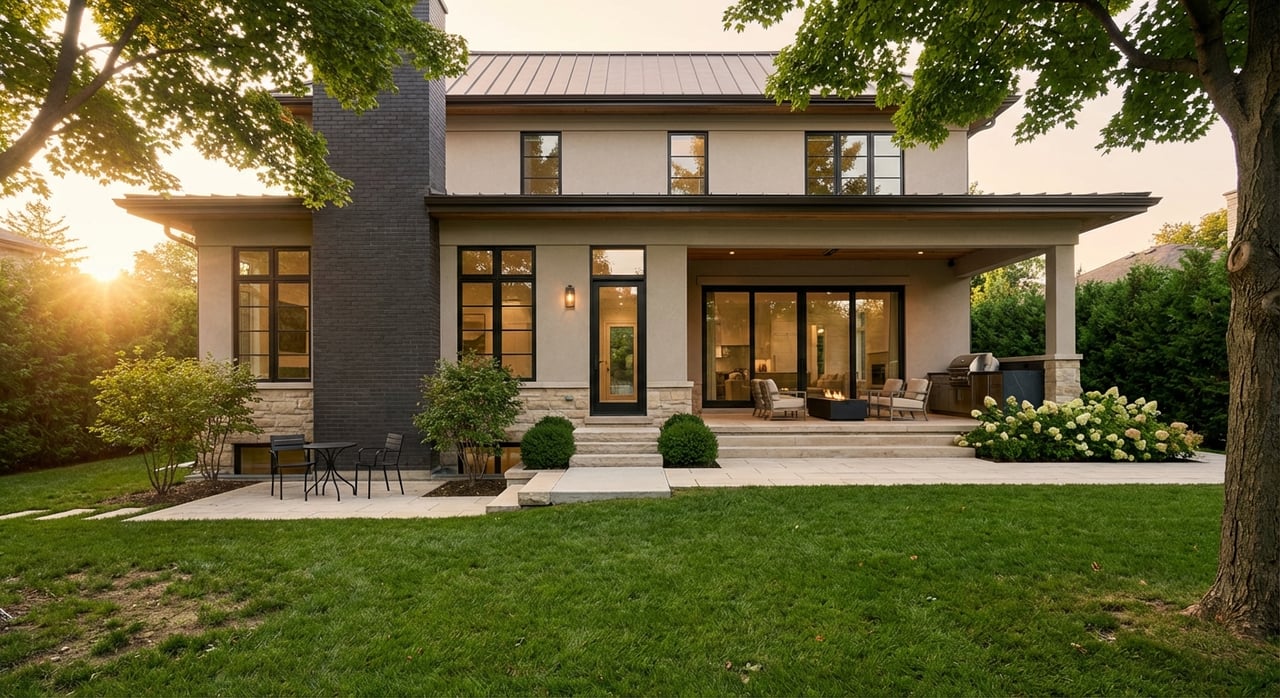
Bringing parents, adult children, or even a caregiver under one roof can feel both exciting and complex. You want comfort, privacy, and elegance without sacrificing the flow of daily life. In Aurora, you can find that balance in luxury homes that are purpose-built or easily adapted for multi-generational living. This guide shows you how Aurora’s estate properties, local rules, and thoughtful design features work together so you can plan with confidence. Let’s dive in.
Why Aurora fits multi-gen living
Aurora offers the space and home types that make multi-gen living practical. The town counted 62,057 residents in 2021, with population growth of about 11.9% since 2016 and an average household size of 2.9 people. Detached houses are the largest share of occupied dwellings, with about 12,980 recorded, which means many properties already have the scale and layout to support suites or separate wings. You can explore Aurora’s 2021 Census profile for context on households and housing mix from Statistics Canada.
Aurora also sits within a premium pocket of York Region where luxury listings are common. Local market pages identify neighborhoods frequently described as estate or luxury and show price points that reflect this positioning. Because prices shift quickly, it is best to review current snapshots on the Zolo Aurora market page when you are ready to act.
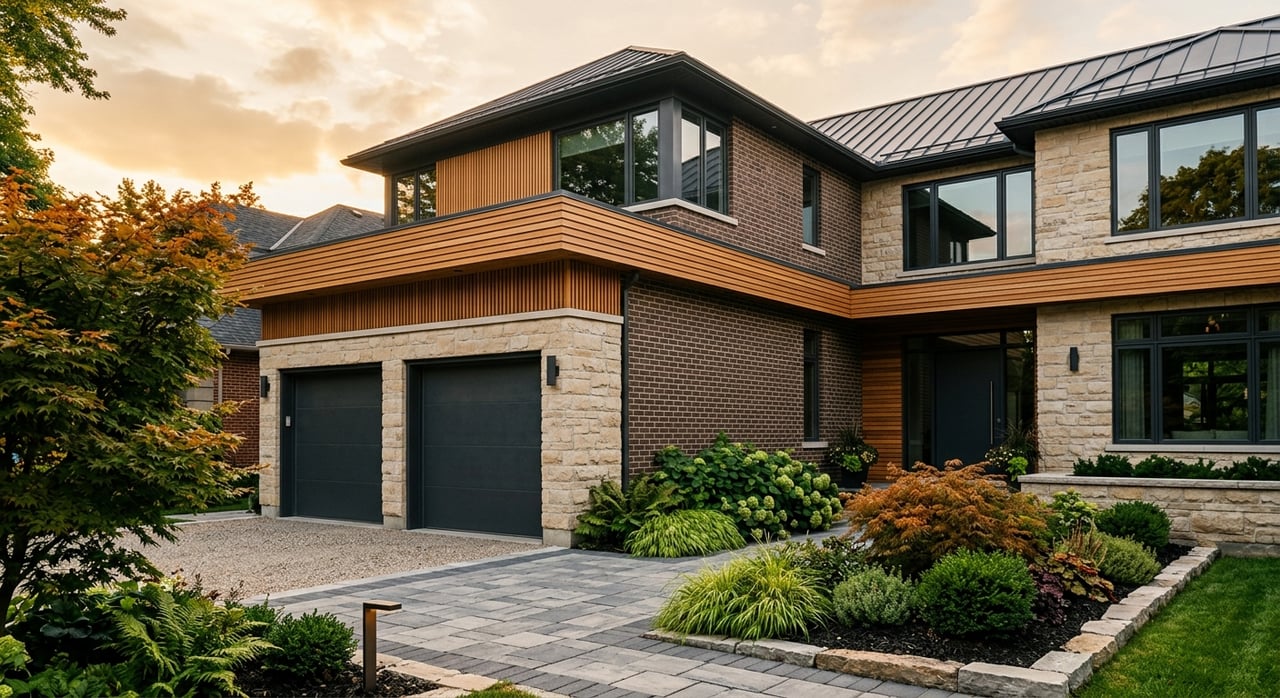
At the property level, you will find deep estate lots and elegant homes that lend themselves to multi-gen arrangements. Some listings in the Aurora Estates area show frontages of roughly 80 to 93 feet and depths near 500 feet, illustrating the room available for privacy, gardens, or even a detached ancillary unit where permitted. See one illustrative example at 14170 Yonge Street for a sense of scale.
Across Canada, multi-generational households are rising. In 2021, there were roughly 442,000 multi-generational households nationwide, and this group has been one of the fastest growing over the past decade. That backdrop explains why Aurora buyers and sellers are prioritizing flexible floor plans, legal suites, and aging-in-place features. You can read more about the trend in the Vanier Institute’s analysis of 2021 Census data.
What luxury homes offer multi-gen families
Estate lots and detached ancillary units
Large Aurora parcels provide the privacy and separation multi-gen families appreciate. Deep lots allow you to create multiple outdoor zones, add parking capacity, and consider a detached ancillary unit where zoning and site conditions allow. Aurora’s Registration By-law No. 6660-24 defines Additional Residential Units (ARUs) and allows up to three units total on a lot in specific configurations, such as a principal dwelling plus two integrated units or a principal dwelling plus one integrated unit and one ancillary unit. Review the Registration By-law No. 6660-24 to understand definitions and limits, and remember that feasibility depends on zoning, servicing, conservation overlays, and site access.
If you are considering a detached coach house or garden suite, pay attention to conservation and planning overlays. Parts of Aurora are influenced by the Oak Ridges Moraine and other local plans that shape what can be built. The Town’s Secondary Plans page is a helpful orientation tool before you engage consultants.
Separate wings and main-floor suites
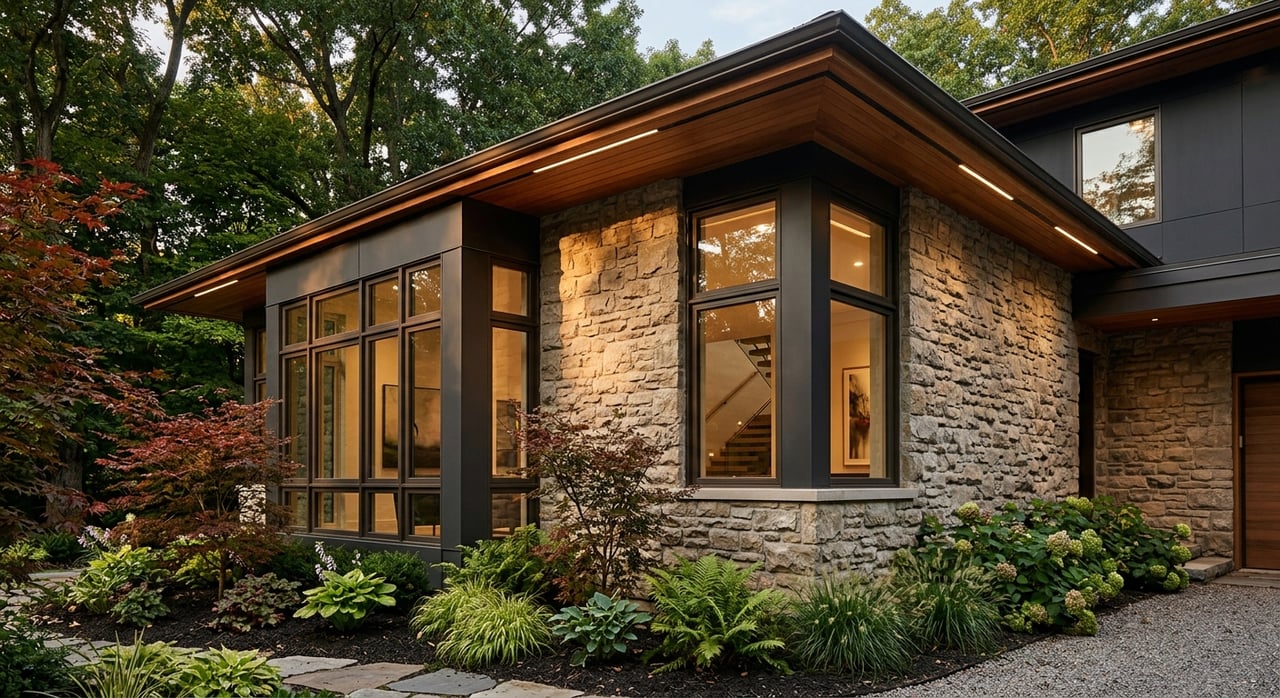
Many luxury homes incorporate a connected but private wing for parents or visiting adult children. Common features include a main-floor bedroom with a full bath, a quiet sitting room, and a small kitchenette or wet bar with direct access to the outdoors. For visual inspiration and layout language, see design resources that showcase in-law wing concepts, such as this multi-generational home plan example.
Finished walk-outs and integrated units
Walk-out lower levels are a natural fit for semi-independent living. A typical integrated unit might include a full kitchen, one or more bedrooms, a compliant egress window or walk-out door, dedicated laundry, and an appropriate level of fire separation. Aurora summarizes the Ontario Building Code basics in its Secondary Suite Handout, which is a smart reference before you renovate.
Shared amenities with privacy in mind
Multi-gen living works best when shared spaces feel generous. Chef kitchens, multiple dining and living areas, media rooms, and fitness spaces can bring everyone together. At the same time, private ensuites, discrete entrances, sound separation, and independent HVAC zones help preserve independence. For a sense of what local luxury listings often showcase, browse the Aurora market overview for examples of premium amenity packages.
Accessibility and aging-in-place features
If you are planning for long-term comfort, integrate universal design early. Helpful features include a no-step entry, a main-floor bedroom with a full bath, wider doorways, lever hardware, and curbless showers with reinforcement for future grab bars. National guidance highlights that anticipating accessibility needs during design is more cost effective than retrofitting later and often improves resale. For broader context, see this Government of Canada overview on seniors’ housing needs.
Planning rules you should know in Aurora
Secondary suites and ARUs overview
Aurora permits secondary dwelling units in detached, semi-detached, and certain link homes, subject to zoning and Building Code compliance. You will find application steps, checklists, and forms on the Town’s Secondary Dwelling Units page. Registration is required, and you should confirm current processes and fees with the Town before you begin.
Registration by-law essentials
The Town’s ARU framework distinguishes Integrated Units within the main dwelling from Ancillary Units in a detached structure. The program allows a maximum of three units in specific configurations, and it includes practical rules such as minimum path widths for access from an ARU entrance to the street and parking compliance. Read the full Registration By-law No. 6660-24 for definitions, limits, and administrative requirements.
Building safety for basement units
Converting a lower level into a legal integrated unit requires Ontario Building Code and Fire Code compliance. Typical items include egress windows or a walk-out door, minimum ceiling heights and room sizes, appropriate fire separation, smoke and carbon monoxide alarms, and proper ventilation. Aurora’s Secondary Suite Handout summarizes the baseline requirements and references inspections from the Electrical Safety Authority and the local fire service as part of the process.
Site, servicing, and conservation overlays
Not every large lot can host an ancillary unit. Municipal servicing, topography, tree preservation, and conservation authority jurisdiction can all shape feasibility. If your property lies within an area covered by a secondary plan or the Oak Ridges Moraine, development limits may apply. Begin with the Town’s Secondary Plans page to understand the local planning context before you engage design and construction professionals.
Three multi-gen property archetypes in Aurora
Estate lot with a detached guest cottage or coach house
- Why it works: Maximum privacy and separation for an older parent, adult child, or caregiver, plus the ability to stage private outdoor zones and parking. What to verify: zoning permissions for ancillary units, lot servicing, conservation overlays, and registration steps under By-law No. 6660-24. Use estate-scale listings, such as this Yonge Street example, to calibrate lot depth and frontage expectations.
Executive home with a main-floor parent suite and a finished walk-out
- Why it works: A main-floor bed-bath suite supports aging in place, while a walk-out lower level can function as an integrated unit with a separate entrance. What to verify: egress, ceiling heights, laundry separation, and whether permits and registration are required. Reference the Town’s Secondary Suite Handout for code basics and next steps.
New custom build with an integrated two-unit design
- Why it works: You can plan universal design features, independent HVAC zones, and a compliant two-unit layout from day one. What to verify: how the ARUs are shown on builder plans, allowances under By-law No. 6660-24, and final permits and registration. Coordinate with Building Services early to align design and approvals.
Buying or selling with multi-gen in mind
For buyers
- Define your household’s privacy needs. Decide who needs a separate entrance, dedicated parking, or a full kitchen versus a kitchenette.
- Prioritize health and accessibility. Look for a main-floor suite, a no-step entry, and the potential to add grab bars or a curbless shower.
- Verify legal status. Confirm whether any existing suite is registered and compliant with the Town’s ARU rules and the Ontario Building Code.
- Budget for upgrades. Even well-built spaces may need adjustments for sound separation, laundry, or universal design.
- Map the site. Consider sun exposure, yard zones, and how a future ancillary unit might fit within setbacks and conservation limits.
For sellers
- Lead with flexibility. Highlight features that serve multi-gen living, such as a main-floor suite, a walk-out lower level, or a separate wing.
- Document compliance. Gather permits, inspections, and ARU registration records so buyers can move quickly with confidence.
- Show the flow. Use floor plans and staging to illustrate how separate and shared spaces work day to day.
- Underscore privacy. Note separate entrances, parking capacity, and any sound or HVAC zoning you have invested in.
- Mention accessibility. Buyers value aging-in-place features as premium conveniences that support long-term comfort.
Next steps
- Clarify needs. List who will live on site, the desired level of independence, and accessibility must-haves.
- Shortlist properties. Focus on Aurora listings with estate lots, walk-outs, or existing integrated units.
- Check the rules. Review the Town’s Secondary Dwelling Units page and the Registration By-law to understand allowable configurations.
- Verify feasibility. For detached units, cross-check the Secondary Plans and speak with Building Services about servicing and approvals.
- Plan the build. Use the Town’s Secondary Suite Handout as a baseline and coordinate with licensed professionals, Central York Fire Services, and the Electrical Safety Authority as required.
If you want a curated list of Aurora homes that already work for multi-gen living, or guidance on positioning your property for this growing buyer segment, connect with Lisa Colalillo for white-glove advice tailored to your goals.
FAQs
Are secondary suites legal in Aurora?
- Yes. Aurora permits secondary dwelling units in detached, semi-detached, and certain link homes, with registration and Building Code compliance required. See the Town’s Secondary Dwelling Units page.
Can I add a detached coach house on an Aurora estate lot?
- Possibly. The Town’s ARU framework allows ancillary (detached) units in specific configurations up to a three-unit maximum. Feasibility depends on zoning, servicing, and conservation overlays. Review the Registration By-law and confirm details with Building Services.
What makes a basement suite legal and safe in Aurora?
- Typical requirements include egress windows or a walk-out door, minimum ceiling heights and room sizes, smoke and CO alarms, and proper fire separation, as summarized in the Town’s Secondary Suite Handout.
How do large Aurora estate lots help multi-gen living?
- Deep lots can support separate outdoor zones, additional parking, and in some cases a detached ancillary unit where permitted. For a sense of lot scale, see estate examples like 14170 Yonge Street.
Are there access or parking rules for ARUs in Aurora?
- Yes. The registration by-law includes operational details such as minimum path widths from an ARU entrance to the street and parking compliance with applicable laws. Review the Registration By-law No. 6660-24 for specifics.
Where can I find current forms and fees to register a unit?
- Start with the Town’s Secondary Dwelling Units page for checklists and applications, and contact Building Services to confirm the latest requirements.