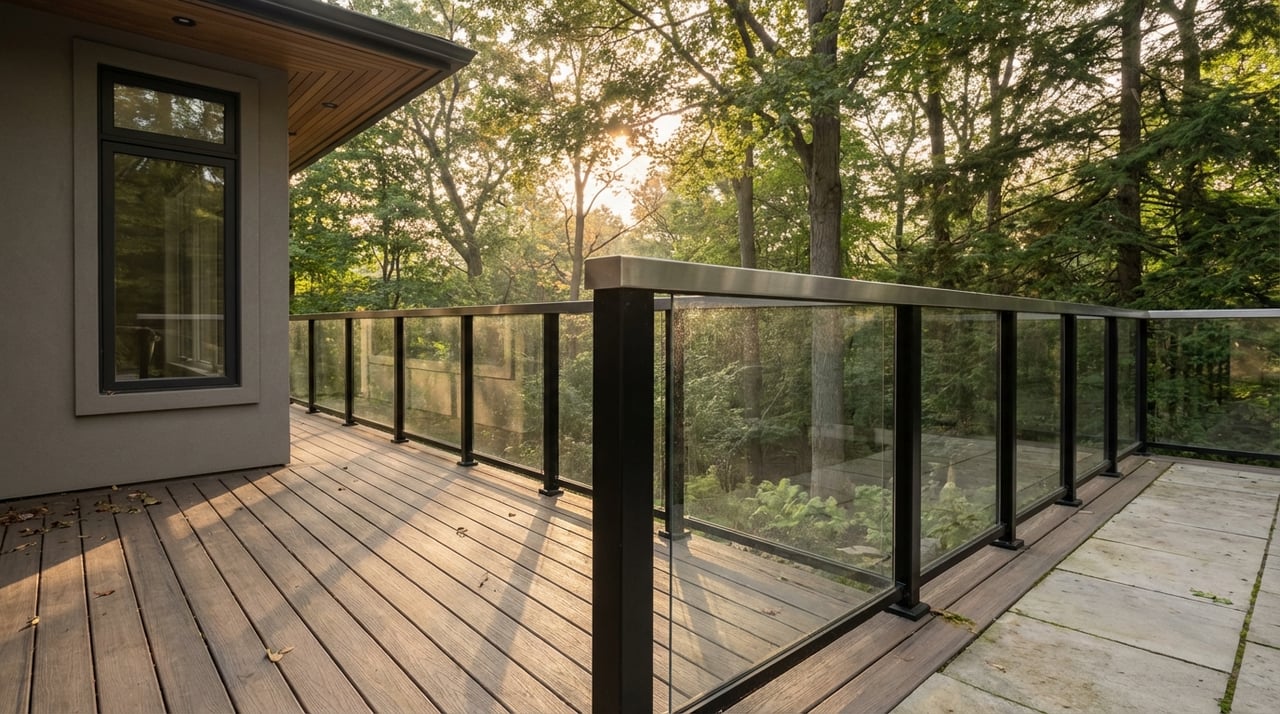
Is a home that opens to trees, birdsong, and uninterrupted privacy calling your name? In Aurora, ravine and forest-edge lots offer a rare blend of natural beauty and calm that many buyers dream about. If you are weighing one of these properties, you also want clarity on permits, inspections, insurance, and resale. This guide gives you a clear, practical roadmap tailored to Aurora so you can buy with confidence. Let’s dive in.
Ravine and forest lots in Aurora
In Aurora and across York Region, “ravine” or “forest-edge” lots usually back onto valleylands, creek corridors, woodlots, stormwater ponds, or other parts of the local natural heritage system. Many of these lands connect to the Oak Ridges Moraine and Holland River corridors. The Town’s Official Plan maps these systems and the overlays that can affect how you use the land, so it is smart to review the current schedules for any address you are considering. You can start with the Town’s overview of the Official Plan and mapping schedules.
Why buyers love these lots
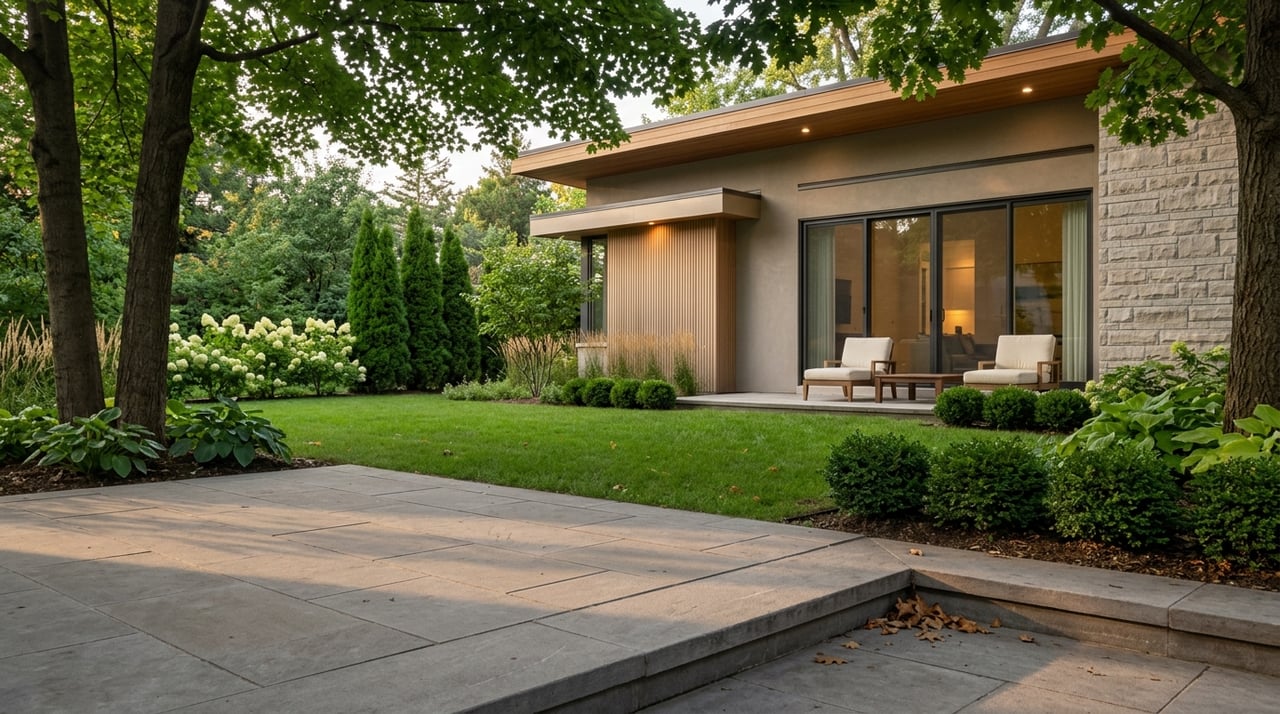
You often gain meaningful privacy with no rear neighbors in view, a mature canopy, and seasonal vistas. Trails and wildlife add a daily sense of escape, while walkout basements and daylight exposure can enhance how the home lives. Many buyers also value the perceived scarcity of true ravine exposure, especially in mature Aurora neighborhoods where supply is limited.
Trade-offs to expect
The same slope that creates a view can shrink your usable flat yard area. Shade from a tall canopy can challenge certain gardens and lawns. You will likely manage more leaves and limbs, along with seasonal mosquitoes or wildlife sightings. You should also plan for extra steps before you alter the site, like permits and professional studies.
Permits and rules in Aurora
Multiple layers of policy and permitting can apply at once. In Aurora’s Lake Simcoe and Holland River watersheds, the Lake Simcoe Region Conservation Authority regulates works near rivers, streams, steep slopes, wetlands, and flood-prone areas. Many common activities, including additions, site grading, retaining walls, pools, placing or removing fill, and some landscaping, may require a permit if they occur in a regulated area. Begin by checking the LSRCA’s guidance on when you need a permit and how regulated areas work.
For more complex files, the conservation authority can request technical studies such as geotechnical slope stability, engineered grading and drainage, and ecological reports. If staff recommend refusal or conditions, there may be a hearing process. You can review the hearing guidelines and expectations to understand what a formal review can involve.
At the municipal level, Aurora’s Private Tree Protection Bylaw governs tree removal on private property. It sets limits, permit requirements, and replacement or compensation obligations. If you plan to remove or alter trees, confirm the property’s tree-permit history and review the Town’s tree protection and permit process.
Finally, the Town’s Official Plan integrates provincial policies, including Oak Ridges Moraine and Greenbelt policies where they apply. If a lot sits within these overlays or a mapped natural heritage system, additional constraints can limit development. Start with the Town’s Official Plan and schedules for the address, then confirm details with Town staff and the conservation authority.
Technical and safety checks
Slope stability and erosion. Steep slopes and the top-of-bank area can limit foundations, patios, pools, and walkouts unless you complete engineered mitigation. Conservation policies often apply setbacks beyond the identified hazard line. For a deeper sense of how slope stability and erosion setbacks are defined regionally, review the TRCA’s policy framework hosted on Scribd: The Living City Policies.
Drainage and overland flow. Ravine-adjacent backyards can see concentrated surface water during storms, especially where natural swales or culverts carry runoff. Ask about nearby stormwater ponds and drainage paths, then verify any history of seepage or backup. You can explore the region’s stormwater and river pond context through resources like the Aurora Arboretum’s overview of river ponds.
Foundations and basements. Walkout basements are a highlight, but they demand careful review of finished-floor elevation compared to regulatory flood levels and stable slope lines. Expect lenders and insurers to ask about mitigation such as engineered retaining, drainage, backwater valves, and sump pumps. The LSRCA’s permit guidance explains why elevation and hazard mapping matter.
Trees and root zones. Mature trees add value, privacy, and cooling. They can also affect structures, foundations, and hardscapes through roots or limb failure. Aurora’s private tree rules mean you should plan for arborist input before significant tree work or any project near critical root zones. Start with the Town’s tree protection page, and expect to involve an ISA-certified arborist for documentation.
Invasive species. Japanese knotweed, dog-strangling vine, phragmites, and the impact of Emerald Ash Borer are present in the region. These can influence landscaping plans, costs, and timing. The Town provides consumer guidance on local wildlife and invasive species.
Due diligence checklist for offers
Before waiving conditions or removing subject clauses, request and review:
- Current survey that shows lot lines and any top-of-bank or hazard lines if present. If the lot has slope or bank features, budget for a geotechnical report.
- Conservation authority regulated-area search for the address, plus copies of any past permits or decisions. Start with LSRCA’s page on regulated areas and permits.
- Copies of any geotechnical, structural, or slope-stability studies and any engineered grading or drainage plans. If none exist where they should, plan to commission them.
- Tree-permit history and any municipal enforcement or remediation orders. Use the Town’s tree protection and permit resource.
- Evidence of past flooding, seepage, or insurance claims. Obtain a pre-quote for overland flood and sewer backup coverage from a broker, guided by the Insurance Bureau of Canada’s overview of flood insurance basics.
- Title search for easements, trail or park access rights, conservation easements, or deed restrictions. Confirm which body owns and maintains the adjacent greenspace. The Town’s Official Plan page is a good starting point for understanding how lands are designated.
- Servicing confirmation. Most built-up Aurora lots are on municipal services, but verify. If a private well or septic exists, request compliance and inspection records.
Insurance, financing and appraisal
Overland flood and sewer backup coverage are not automatically included in standard Canadian home insurance policies. Optional endorsements are available, and eligibility, premiums, and deductibles vary by address and insurer. Always secure a written pre-quote during your conditional period. The Insurance Bureau of Canada explains key coverage types and limits in its guide to flooding and insurance. You can also review federal consumer guidance on preparing for unexpected events and disasters.
From a financing perspective, unique ravine lots can create appraisal variance because comparable sales may be limited or regulatory overlays may constrain improvements. That conservatism can affect your loan amount relative to price. If your purchase relies on capturing a ravine premium, order an appraisal early and build contingencies into your offer.
Pricing, value and resale
Ravine exposure is often marketed as a premium feature in the GTA. In Aurora, the strongest value drivers include a wide treed outlook, sunny and usable top-of-bank yard, mature canopy that does not threaten the home, and feasible walkout potential. Properties with very steep slopes, active erosion, limited usable yard, or strict tree-removal limits can trade at a discount and may take longer to sell. Because premiums vary by micro-location, it is essential to analyze recent local sales and constraints before assigning value.
How to shop smart in Aurora
- Walk the lot carefully. Look for slope breaks, top-of-bank markers, culverts, swales, and signs of past erosion or patch repairs.
- Confirm ownership of the adjacent greenspace and any public trail proximity. The presence of a trail can be a plus or a privacy consideration depending on your lifestyle.
- Ask focused questions. Request the current survey, any geotechnical or slope reports, tree-permit history, and conservation authority permits or correspondence. Ask about any history of bank movement, drainage fixes, or insurance claims.
- Line up professionals early. Speak with Town Planning, LSRCA staff, a geotechnical engineer, structural engineer, ISA-certified arborist, and your insurance broker during conditions. That way, you can price risk and timeline with accuracy.
- Plan for maintenance. Budget for arborist care, erosion controls, invasive plant management, and post-storm inspections. These programs protect your investment and preserve the setting that drew you to the lot.
Work with a trusted local advisor
Ravine and forest-edge living in Aurora can elevate daily life, but it rewards a careful, systems-based approach. A trusted advisor will coordinate permits, studies, and insurance checks, then help you distinguish a spectacular view from a costly risk. If you want a white-glove process that protects your time and aligns lifestyle goals with financial rigor, connect with Lisa Colalillo to chart your next step with confidence.
FAQs
What is a ravine or forest-edge lot in Aurora?
- In Aurora, these lots typically back onto valleylands, creek corridors, woodlots, stormwater ponds, or other protected natural heritage areas identified in the Town’s Official Plan.
Do I need a permit to add a deck or pool on a ravine lot?
- If the work occurs in a conservation authority regulated area, many changes require an LSRCA permit; start with the LSRCA’s page on regulated areas and permits.
How are trees protected on private property in Aurora?
- The Town’s Private Tree Protection Bylaw regulates tree removal and may require permits and replacement or compensation; review the Town’s tree protection and permit process.
What insurance should I consider for a ravine-adjacent home?
- Overland flood and sewer backup coverage are optional in many policies, so get a written pre-quote and review the Insurance Bureau of Canada’s guide to flooding and insurance.
How do ravine features affect a home’s value and appraisal?
- Ravine exposure can command a premium, but factors like slope, usable yard, tree restrictions, and regulatory limits can reduce the buyer pool; ordering an appraisal early helps align value and financing.
Which professionals should I hire during conditions of sale?
- Engage Town Planning staff, LSRCA regulators, a geotechnical and structural engineer as needed, an ISA-certified arborist, and your insurance broker to validate risk, cost, and timelines.