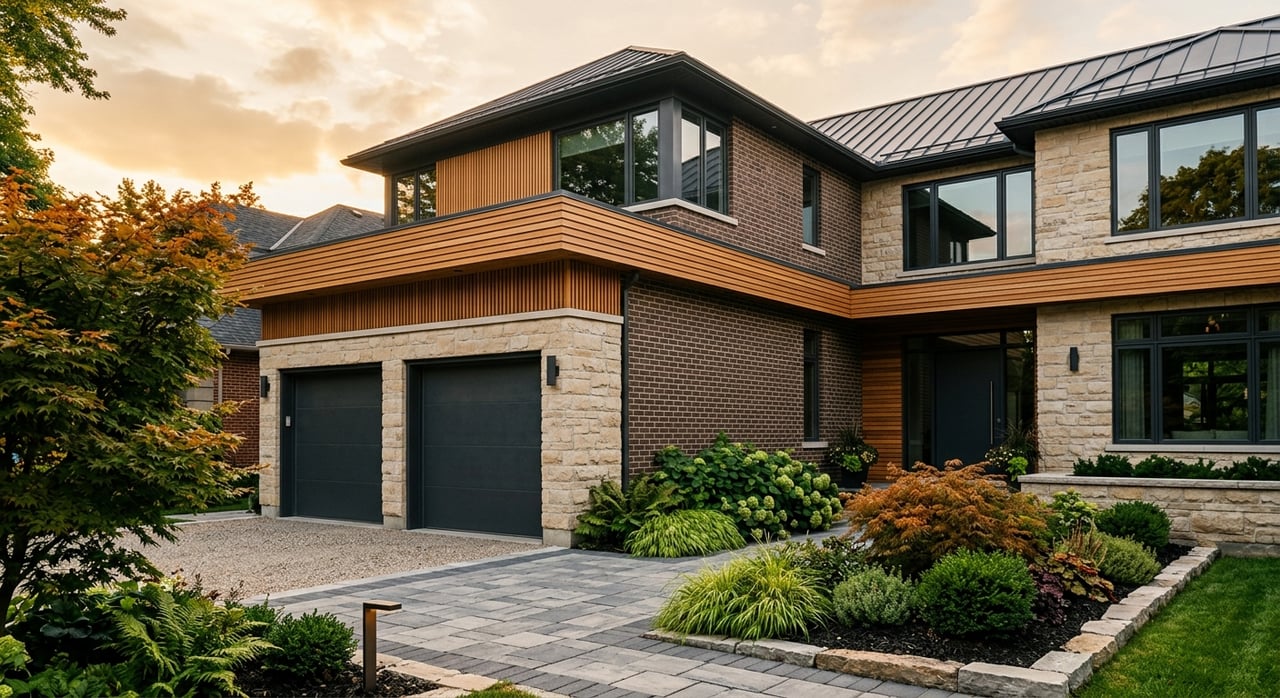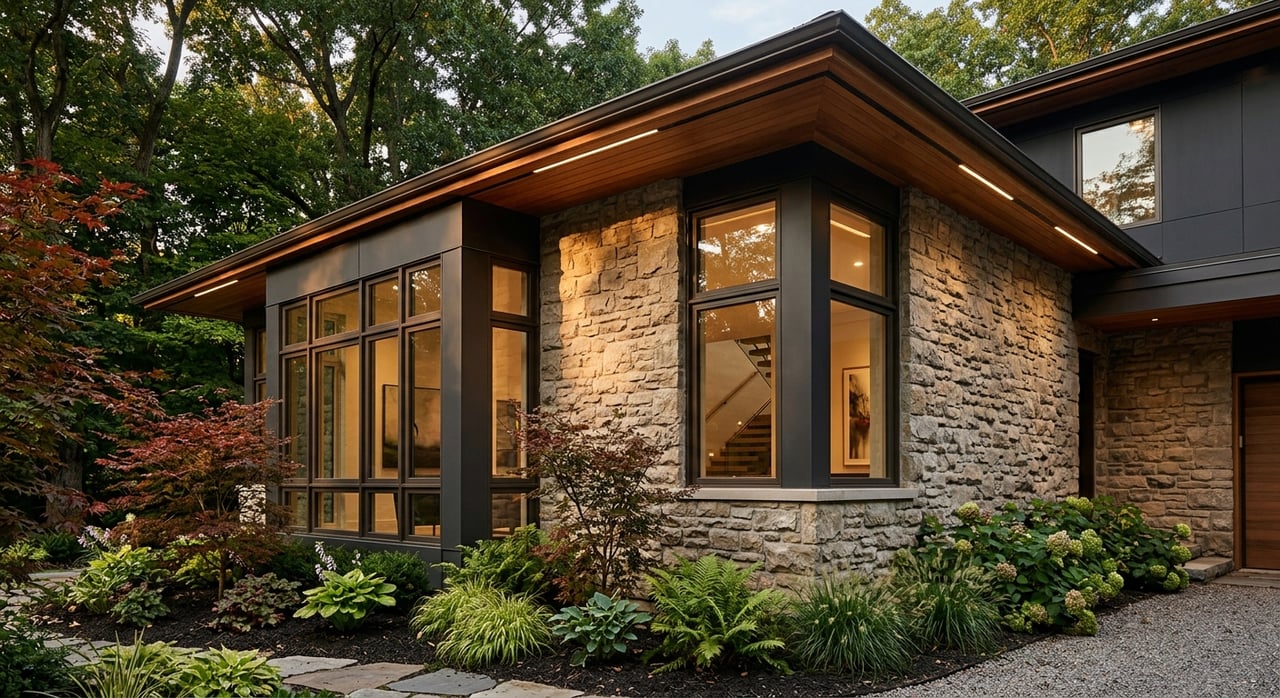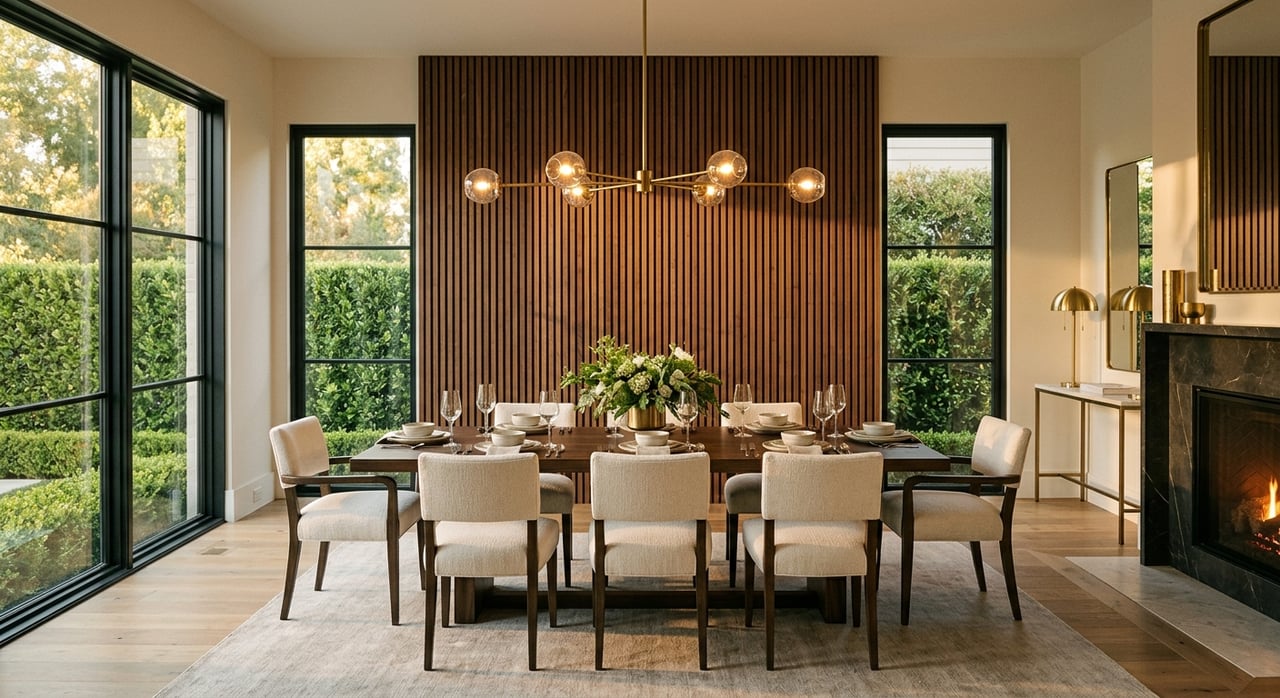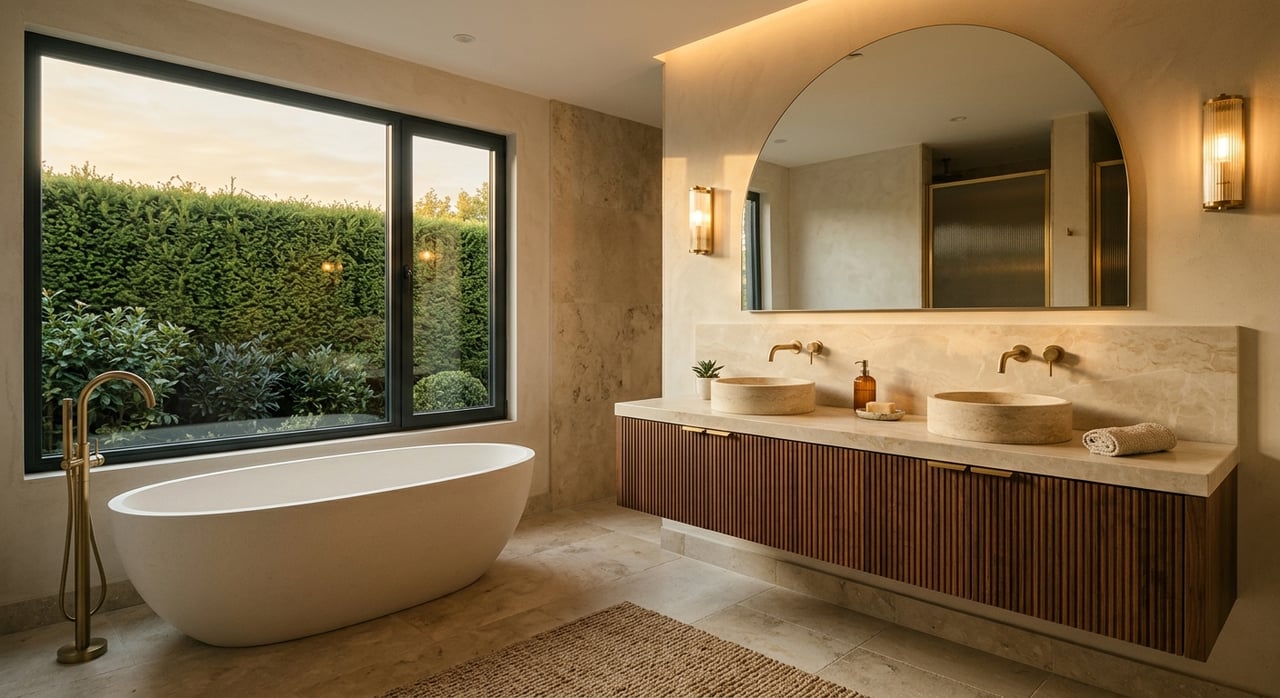
What if your Aurora home could do more than shelter your lifestyle? For many owners, the right property becomes a long-term wealth anchor that compounds value over time. You want clear, local guidance to make smart, confident decisions about holding, upgrading, or selling. In this guide, you’ll see how Aurora’s luxury market behaves, where the returns really come from, and how to position your property as a durable asset. Let’s dive in.
Aurora market snapshot, March 2026
Aurora continues to rank among the GTA’s higher-priced municipalities. In the last 28 days of March 2026, local snapshots show an average sold price roughly in the CA$1.2–1.3 million range, with homes taking about three weeks to sell. These figures point to steady demand at the upper end. You can review the rolling municipal window on the Aurora trends page for the latest snapshot and methodology in Zolo’s Aurora market trends.
A quick word on averages and medians. Short periods can swing when a few luxury sales close. That is why you should look at both average and median prices and confirm how many upper-tier transactions occurred in the window.
What counts as luxury in Aurora
There is no official threshold for luxury. A practical way to define it is by price percentile. In Aurora, with a municipal median hovering near the low-to-mid one million range in March 2026 snapshots, a clear working definition is:
- Premium or luxury: approximately CA$1.5–2.5 million.
- Upper or estate tier: CA$2.5 million and above.
Use this as a guide, not a rule. If you want a data-backed line, ask your brokerage for a current MLS export of Aurora sales by percentile so you can see the top 10–20 percent cutoffs. Large-lot detached homes dominate the luxury mix, with clusters near key corridors and infill pockets that bring new-build and custom options to market.
Why Aurora luxury holds value long term
Demand durability and liquidity
Transit improvements and commuter access matter. Metrolinx is upgrading Aurora GO Station as part of GO Expansion to enable more frequent, two-way service on the Barrie line. That enhancement supports long-run demand from professionals and reduces the liquidity discount for well-located homes near the GO corridor or with simple 404 access. See the station work outlined in Metrolinx’s Aurora GO expansion update.
Economic anchors and executive demand
Aurora benefits from established employers that concentrate professional roles. Magna International’s registered head office is located in Aurora, which helps support executive and skilled-professional housing demand across cycles. You can view corporate disclosure confirming the head office in Magna’s governance documents.
Mature stock and measured new supply
Inside established neighborhoods, developable land is limited. That scarcity, combined with steady demand drivers, helps support pricing power for well-located, high-quality homes. Periodic delivery of new-build or custom product adds choice, but it tends to be measured rather than flood the market.
Taxes and after-tax results you should model
Luxury real estate returns are not just about appreciation. After-tax outcomes, transaction costs, and carrying costs shape your net result. Here are the big levers to plan for.
Principal Residence Exemption (PRE)
If your Aurora home is your principal residence, the PRE can shelter the gain when you sell, subject to eligibility and reporting rules. The CRA outlines key concepts and related guidance in its publications. Review current rules and confirm your situation with a qualified tax advisor. For CRA reference materials, see the agency’s guidance on residential property and rental topics in CRA publication T4036.
Capital gains policy changes
Between 2024 and 2026, federal capital gains proposals and deferrals created uncertainty. The government later stated it would not proceed with a specific inclusion-rate increase that had been discussed. Because policy can shift, plan using current CRA guidance and get personalized advice before you transact. You can review the parliamentary record for context in this House of Commons document.
Land transfer tax, property tax, and carrying costs
Ontario’s land transfer tax applies on purchase. Aurora buyers are not subject to Toronto’s separate municipal land transfer tax. Ongoing carrying costs include municipal property taxes, insurance, maintenance, utilities, and reserves for capital items. These vary by property size and specification, so build a line-item budget before you decide to hold or trade.
Upgrade priorities that protect and grow value
Think in two buckets: essentials that protect capital and curated upgrades that help you capture a premium at sale. In Aurora’s upper tier, buyers expect strong fundamentals and tasteful finish quality.
- Mechanical and systems: modern HVAC, high-efficiency windows, roof replacement, and EV-ready electrical upgrades reduce future capital surprises and signal a well-maintained home.
- Kitchen and primary suite: these rooms are the clearest value drivers. Quality cabinetry, appliances, stone surfaces, lighting, and a serene, well-appointed primary suite typically resonate with luxury buyers.
- Amenity spaces: fully finished lower levels with guest or in-law space, a refined media room, or a fitness suite broaden appeal for large homes.
- Outdoor living and lot design: landscaping, driveway presentation, gates, and purposeful outdoor zones like patios and pools matter on estate lots.
- Compliance and documentation: permits, warranties, and any relevant certifications support buyer confidence and ease of due diligence.
Before a major spend, review recent local comparables to confirm the likely resale impact of your plan. The goal is to align with buyer expectations for your micro-market and property style.
The numbers: hold vs trade-up scenarios
Below are simple, illustrative examples to help you see how appreciation, costs, and taxes interact. Change the inputs to match your property and advice from your CPA.
Scenario 1: Owner-occupied with PRE
Assumptions:
- Current value: CA$1.8 million
- Expected appreciation: 3 percent per year
- Holding period: 10 years
- Annual carrying costs: 1.5 percent of current value (property tax, insurance, maintenance), simplified without escalation
- Selling costs at exit: 5 percent of sale price
- Tax: principal residence, PRE fully available
Calculations:
- Projected sale price in year 10: 1.8M × (1.03)^10 ≈ CA$2.42M
- Carrying costs over 10 years: 1.8M × 1.5 percent × 10 = CA$270,000
- Selling costs: 5 percent × 2.42M ≈ CA$121,000
- Estimated after-cost proceeds before mortgage payoff: 2.42M − 121k − 270k ≈ CA$2.03M
- Estimated tax: $0 if PRE applies based on CRA rules and proper eligibility
Takeaway: time in the market plus PRE treatment can make a long hold attractive, especially when upgrades and maintenance keep the asset market-ready.
Scenario 2: Investment or second home, taxable gain
Assumptions:
- Same property and appreciation as Scenario 1
- Not eligible for PRE (investment or second home)
- Adjusted cost base (ACB) on purchase: CA$1.8M
- Selling costs: 5 percent at exit
- Capital gains inclusion and marginal tax rate: use current CRA rules and your personal tax rate; amounts below show structure without assuming your actual rate
Calculations:
- Projected sale price in year 10: CA$2.42M
- Selling costs: CA$121,000
- Proceeds of disposition net of selling costs: 2.42M − 121k = CA$2.299M
- Capital gain before tax: 2.299M − 1.8M = CA$499,000
- Taxable portion: apply the current inclusion rate to the gain
- Estimated tax payable: taxable portion × your marginal tax rate
- After-tax proceeds before carrying costs: 2.299M − estimated tax
- Subtract cumulative carrying costs over the hold (about CA$270,000 using the same 1.5 percent proxy)
Takeaway: taxes materially change your net. The framework helps you price both time and policy into your decision. Always confirm your inclusion rate and estimated tax with your CPA before you list.
A quick decision framework you can use
- Estimate current market value and a conservative annual appreciation rate.
- Add all annual carrying costs and a capital reserve for big-ticket items.
- Price selling costs, including commission, staging, legal, and adjustments.
- Apply PRE rules if eligible, or model taxable gains if not.
- Compare the 7–12 year hold outcome to a sell-and-trade-up path that includes purchase costs, land transfer tax, and new carrying costs.
If transaction costs are high and appreciation is moderate, breakeven horizons lengthen. That often favors multi-year holds with targeted upgrades that keep the property at the top of its competitive set.
Risks and watch items that move the needle
- Policy change: Proposals affecting capital gains in 2024–2026 illustrate how fast rules can shift. Track updates and plan with professional advice. See context in the House of Commons record.
- Interest rates: Mortgage costs shape affordability and luxury demand. Rate moves can alter the timing of a list or purchase.
- Local supply pulses: A wave of new luxury closings in a submarket can compress near-term premiums. Use current MLS data before making pricing decisions.
- Documentation gaps: Missing permits or unclear upgrade histories can slow deals or reduce buyer confidence. Keep your paper trail tight.
How to position your Aurora home now
- Get a precise, on-the-ground valuation that reflects your micro-market, architecture, and recent upper-tier comparables.
- Prioritize maintenance and mechanicals, then refine the kitchen, primary suite, and outdoor program for maximum buyer resonance.
- Build a simple 10-year hold model with your CPA to understand PRE treatment, inclusion rates, and after-tax outcomes.
- Time the market around visible catalysts like transit enhancements and seasonal demand patterns.
When you want a curated, time-saving plan for valuation, upgrade sequencing, and premium exposure, reach out to Lisa Colalillo for a discreet, white-glove strategy session.
FAQs
What is the current luxury price range in Aurora?
- A practical working definition puts luxury around CA$1.5–2.5 million and the estate tier above CA$2.5 million, based on March 2026 municipal snapshots and top-tier sales activity.
How does GO Expansion impact Aurora property values?
- Metrolinx’s upgrades at Aurora GO aim to support more frequent two-way service, which strengthens commuter access and supports demand for well-located homes near the corridor.
How does the Principal Residence Exemption affect my sale?
- If your home qualifies as your principal residence, the PRE can shelter capital gains at sale; confirm eligibility and reporting with your tax advisor and review CRA guidance.
What upgrades usually deliver the best resale impact?
- In Aurora’s upper tier, buyers value modern mechanicals, a refined kitchen and primary suite, finished amenity spaces, and well-executed outdoor living with proper permits and documentation.
What should I budget annually for carrying costs on a $2M home?
- A common planning proxy is about 1.5 percent of value per year for property tax, insurance, and maintenance, but your actual costs depend on size, specs, and update cycles.