You want to sell your Aurora estate without headlines, drive-bys, or endless showings, yet you still want top-tier results. That balance is possible with the right plan, timing, and privacy controls. In this guide, you’ll learn how to prepare your property, choose the right marketing path, follow local rules, and protect your privacy while creating strong buyer demand. Let’s dive in.
Aurora market at a glance
Aurora sits among the higher-value communities in the TRREB service area, with many homes trading in the million-plus range. Market activity tends to build in spring and early summer, which is why many estate sellers time landscaping, staging, and media to this window. You can see this cadence in the latest TRREB Aurora community report.
If your goal is a quiet but effective sale, align your prep schedule to hit that peak season, or work a shoulder period with premium media and a curated outreach plan.
Choose your sale strategy
Public MLS with privacy controls
- Maximize exposure while controlling access. Use escorted showings, defined windows, and keyed security.
- This path supports the strongest competition and often the best price discovery.
Exclusive or private listing
- Curate interest through a vetted network. Require NDAs and proof-of-funds before showings.
- This protects discretion but may reduce overall exposure. The CREA REALTOR Cooperation Policy allows exclusives with your written consent. If you use any broad public marketing, you must follow the policy’s MLS timing rules.
Your 8 to 12 week roadmap
A polished estate launch takes coordination. Use this timeline to protect privacy while building impact.
Weeks 8 to 12: Plan and book
- Select a luxury stager and premium photographer. Book drone and 3D capture.
- Get a pre-listing home inspection to flag issues early.
- Confirm permit needs for any exterior or structural work with the Town of Aurora’s building permits team.
- Schedule landscaping and exterior lighting for golden-hour media.
Weeks 6 to 8: Repair and refresh
- Finish essential permitted work and fix visible defects.
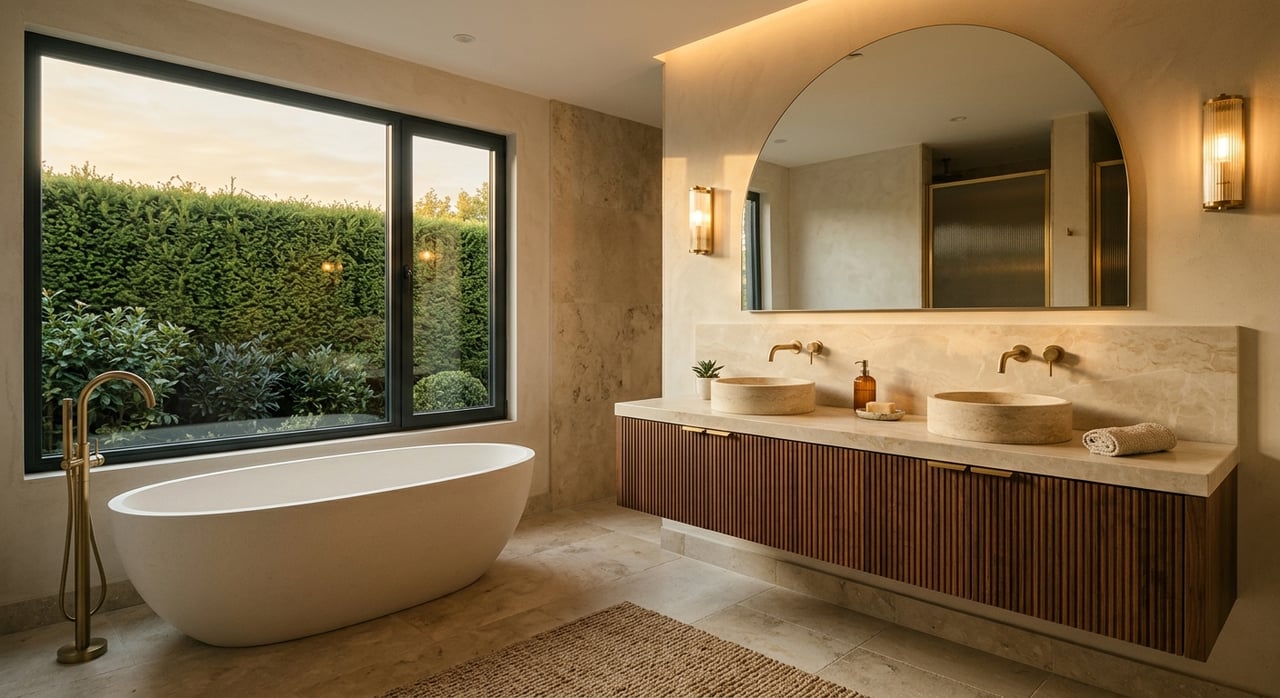
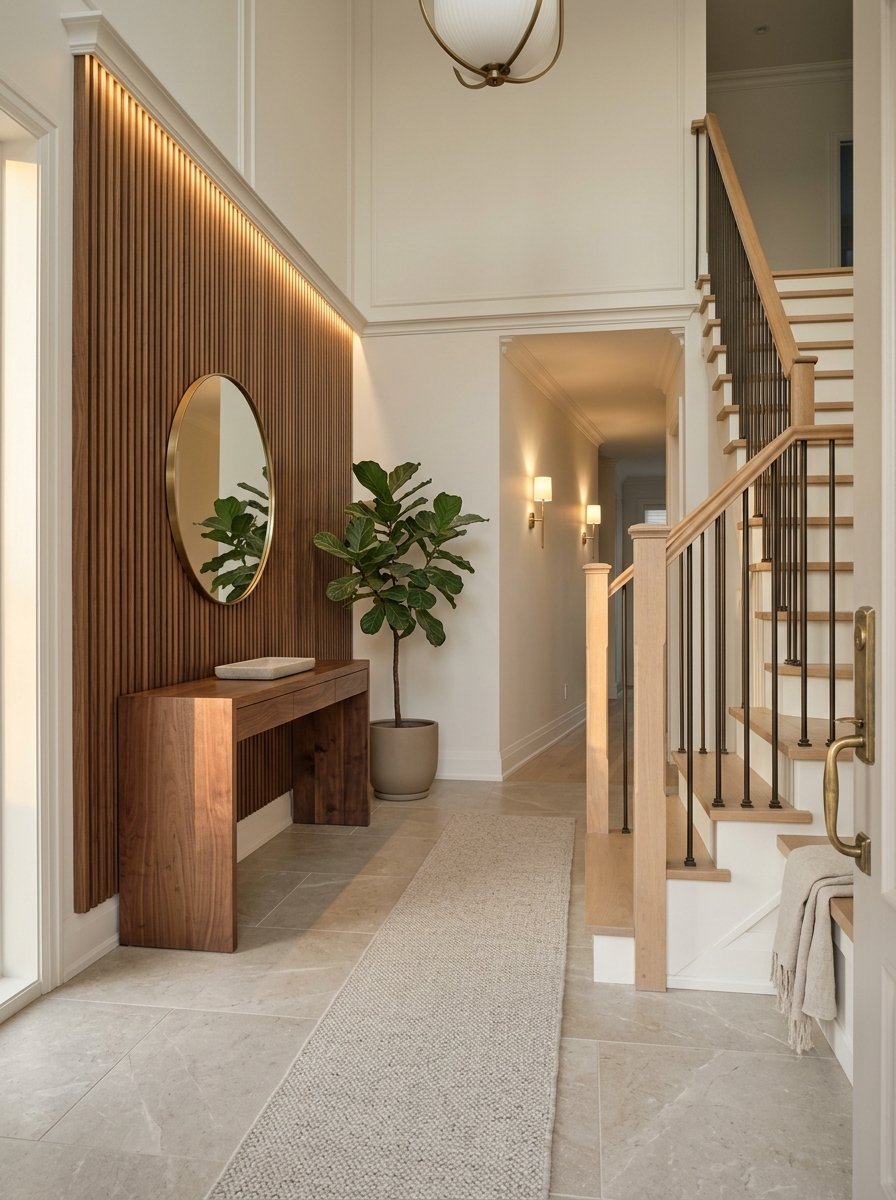
- Focus on high-ROI touchpoints: front door, foyer, living areas, kitchen hardware and deep clean, primary bath touchups, neutral paint, upgraded lighting.
- Begin staging plan for the main rooms. Industry findings show staging can reduce time on market and elevate perceived value, as noted in the home staging report coverage.
Weeks 3 to 5: Stage, landscape, finalize
- Stage the living room, kitchen, and primary suite. Add tasteful, scaled pieces for large rooms.
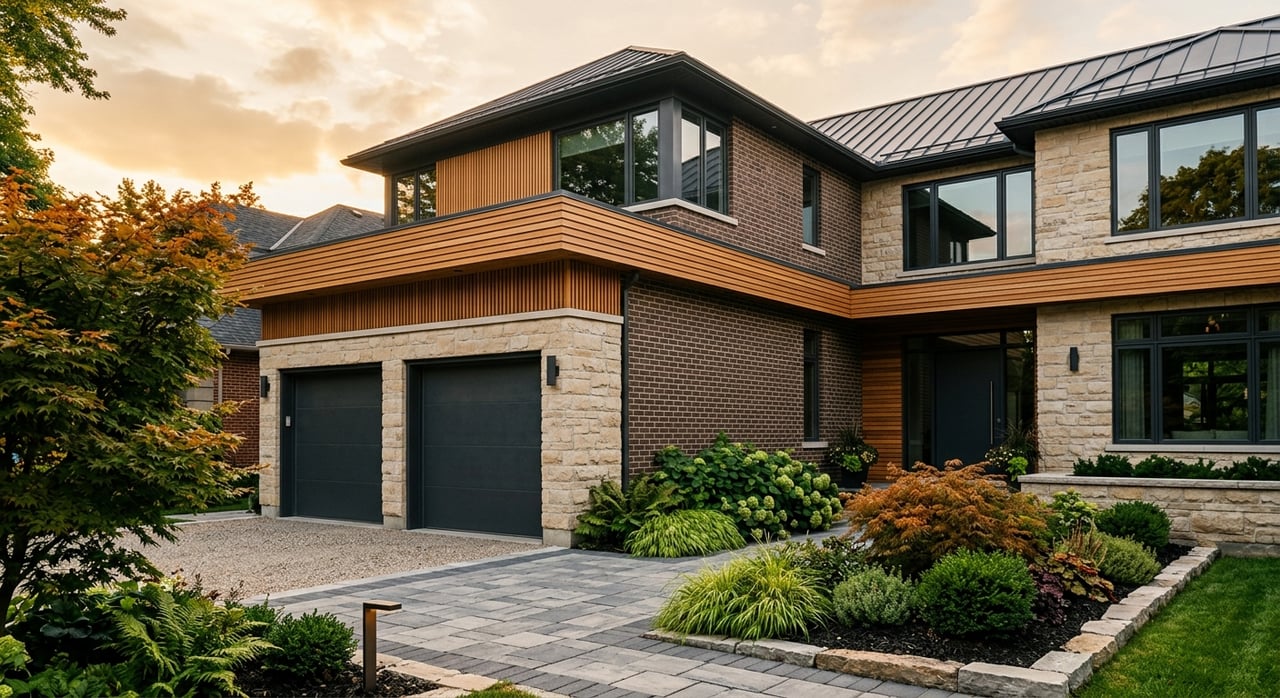
- Boost curb appeal: tidy hedges, mulch beds, patch sod, pressure-wash the drive.
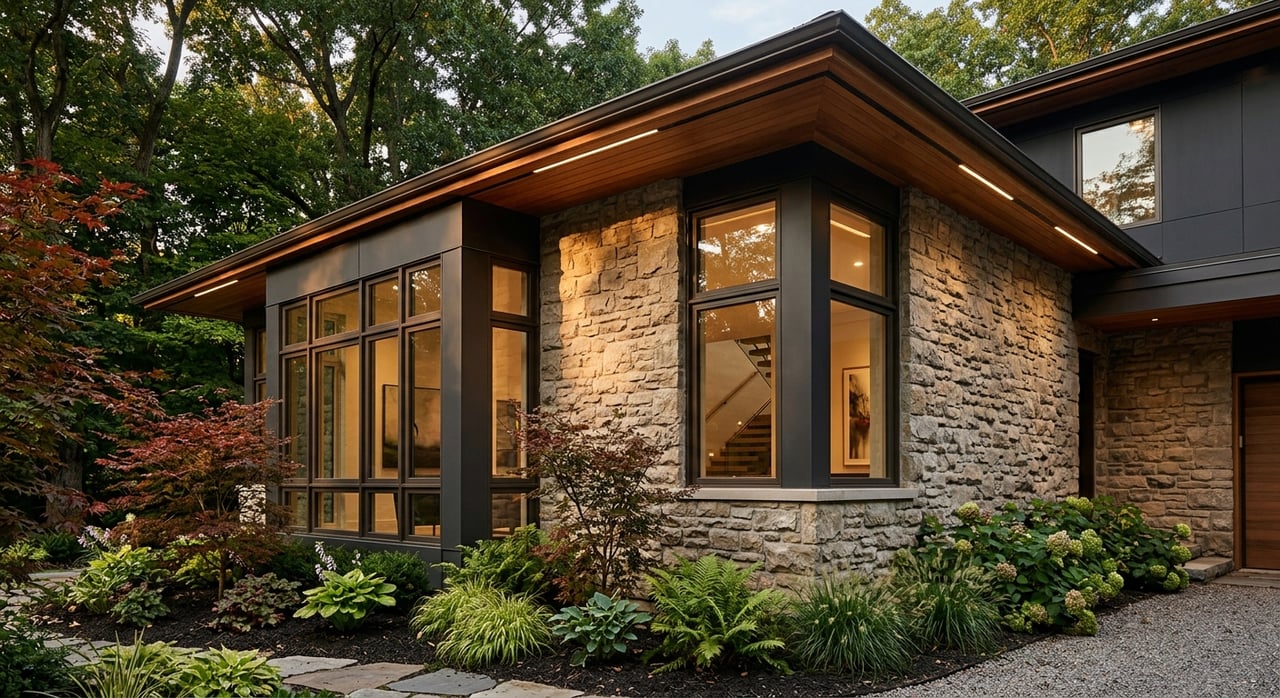
- Test evening lighting and pathways for twilight photography and private tours.
Weeks 1 to 2: Capture and secure
- Complete HDR photos, twilight exteriors, and aerials, plus floor plans and a 3D tour.
- Build a secure virtual data room (VDR) for serious buyers. Include inspection summary, features list, and additional media.
- If you plan a private process, use teasers without the precise address. Release full details only after NDA and vetting.
Compliance and permits to confirm
Town of Aurora permits
If you plan repairs or upgrades, confirm whether you need permits before work begins. The Town outlines requirements for building, decks, pools, and structural changes on its building permits page. Proper permits prevent stop-work orders and future disclosure issues.
Pools and safety fencing
Pool areas must meet the Town’s enclosure standards. Review Aurora’s pool enclosure guide before marketing features that imply compliance.
Heritage checks
If your estate is older or in a heritage area, review whether it is on the Town’s Heritage Register. Exterior changes may need consultation. Start with the Town’s heritage resources and committee materials, such as the Heritage Advisory Committee documents, and connect with the municipal heritage planner.
Ontario disclosure duties
You must disclose known material latent defects that make a property unsafe or unfit. Agents also have duties tied to these facts. When in doubt, consult your lawyer. Review RECO’s guidance on facts a seller must disclose.
Privacy-first marketing that still wins
NDAs and buyer vetting
NDAs can protect identity, precise address, and sensitive interior images during a private process. They do not replace legal disclosure. Discuss terms with your lawyer and give your brokerage clear written instructions. Some buyers may resist NDAs, so weigh discretion against reach.
Data handling and VDR security
If you collect photo ID or financial documents, follow PIPEDA rules. Limit what you collect, secure it, and set short retention periods. Review the Office of the Privacy Commissioner’s guidance on handling personal information.
Practical privacy tips:
- Strip GPS and EXIF data from images before public use.
- Keep detailed floor plans and sensitive media inside a password-protected VDR.
- Redact addresses on teasers until buyers are vetted.
Secure, escorted showings
- Pre-qualify with proof of funds or lender letters.
- Log appointments and check photo ID on arrival.
- Escort every tour. Lock or remove valuables, safes, collectibles, and personal photos.
- Limit access to sensitive rooms and document all instructions in writing.
Digital presentation that sells quietly
High-caliber media does the heavy lifting when you limit public access. Your baseline should include HDR interiors, twilight exteriors, aerials, accurate floor plans, and a cinematic walkthrough. For aerials, hire a Transport Canada certified operator who follows drone safety rules, airspace limits, and privacy considerations.
Reserve the full 3D tour and detailed floor plans for vetted buyers in your VDR. Use a short trailer or select stills for public teasers.
Estate-specific touchpoints
- Outbuildings and guest houses. Test plumbing, HVAC, and security. Photograph them as distinct spaces.
- Long drives and gates. Service gate motors. Prepare clear directions for vetted showings only.
- Pools, courts, and stables. Stage, clean, and confirm safety features. Ensure compliance with Town standards before promoting any amenity.
Quick prep checklist
Before your photographer arrives, focus on these high-impact wins:
- Declutter all main areas and storage zones.
- Neutral paint in key rooms and touch up trim.
- Deep clean kitchen and baths, including grout and glass.
- Repair obvious defects and burned-out bulbs.
- Stage the entry, living room, kitchen, and primary suite first.
- Power-wash hardscapes and windows.
- Freshen landscaping and test exterior lighting.
Should you get a pre-listing inspection
For estate properties, a pre-listing inspection can be a smart risk-control move. It helps you fix issues quietly or disclose with confidence, which reduces renegotiation pressure. Learn more from Canadian guidance on pre-listing inspections.
Work with a boutique advisor
A quiet, high-impact sale blends discretion with premium storytelling and disciplined process. That is where a boutique, systems-driven team becomes invaluable. If you would like a private preparation plan, curated media, and a controlled release strategy tailored to your Aurora estate, connect with Lisa Colalillo to get started.
FAQs
What does a quiet, high-impact sale mean in Aurora
- It is a privacy-first approach that limits broad exposure while using premium media, curated buyer vetting, and tight showing controls to drive strong offers.
Do I need to list on MLS if I market privately
- CREA’s policy allows an exclusive listing with your written consent. If you use any public marketing, you must comply with the policy’s MLS timing rules. Review the CREA policy overview.
What must I disclose to buyers in Ontario
- You must disclose known material latent defects that make the property unsafe or unfit. See RECO’s bulletin on seller disclosure duties.
Are drones allowed for photographing my estate
- Yes, but use a Transport Canada certified operator who follows national drone rules and local airspace restrictions.
Should I get a pre-listing inspection for a luxury home
- Many estate sellers do because it flags issues early, supports confident pricing, and can reduce late-stage renegotiation. See Canadian insights on pre-listing inspections.