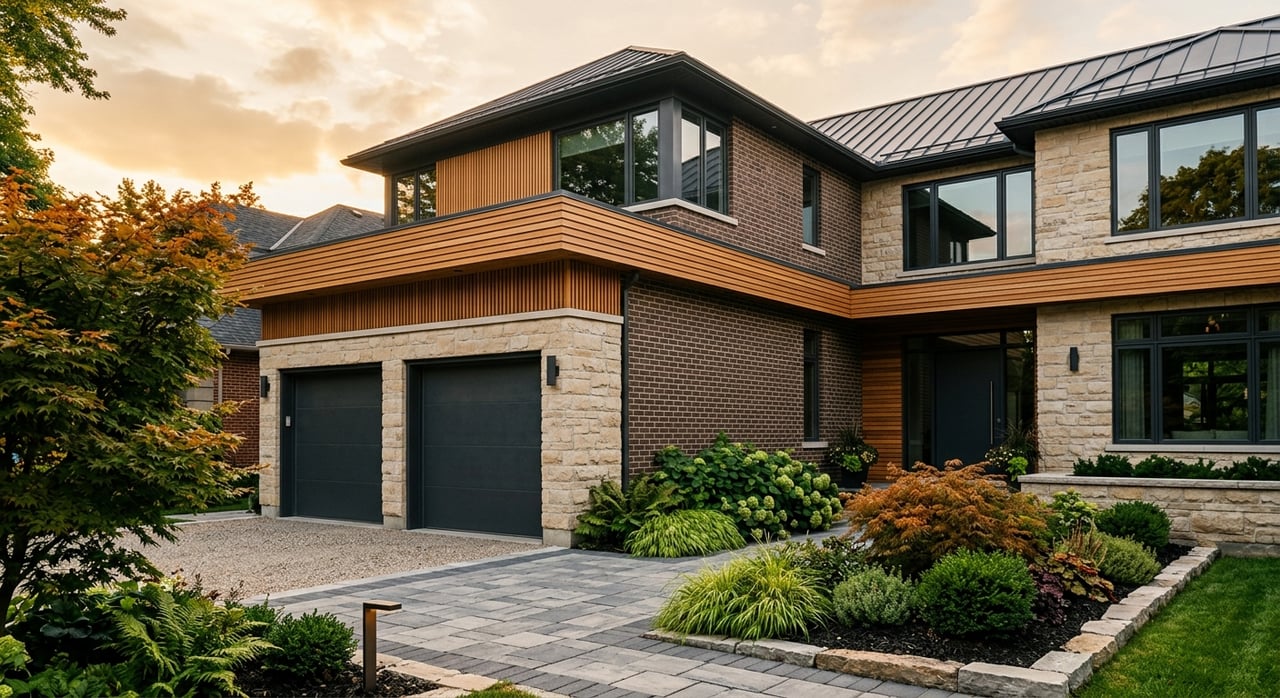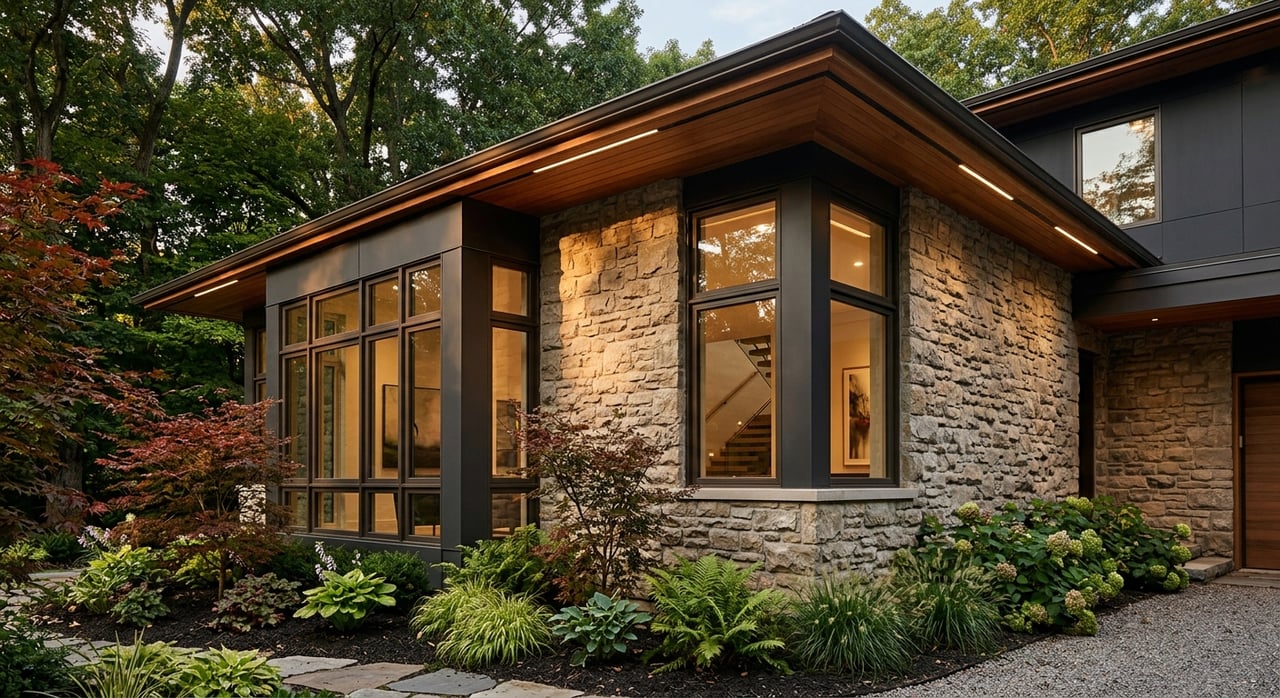
Wondering why one Aurora estate commands a very different number than another that looks similar on paper? In a market where lot shape, streetscape context, renovation quality, and buyer demand can all influence value, a premium valuation needs more than a quick online estimate. If you want a clearer picture of what your home may be worth today, this guide walks you through what a thorough Aurora estate valuation should measure and why precision matters. Let’s dive in.
What a premium valuation really is
A premium valuation is a current market opinion of value based on the home itself, the land, and the most relevant market evidence available now. It is not the same as an automated estimate, and it is not the same as a property tax assessment.
In Ontario, MPAC develops residential assessments using a mass-appraisal framework that looks at factors such as age and renovations, exterior square footage, location, lot dimensions, and construction quality. That process serves taxation purposes. A seller-focused premium valuation, by contrast, should be tied to the current market and to the features that make your Aurora estate home stand out today.
Why Aurora valuations need precision
Aurora is not one uniform housing market. The town includes established estate-style pockets, heritage-sensitive areas, and locations shaped by broader growth planning, so the same square footage can perform differently depending on where the property sits and how it fits its surroundings.
The local numbers also show why broad averages can miss the mark. TRREB’s June 2026 data reported 50 detached sales in Aurora, with an average price of $1,435,838 and a median of $1,298,000, alongside 114 active detached listings and an average of 23 days on market. When the average and median tell slightly different stories, it is a sign that a few higher sales may be affecting the mean, which makes feature-based analysis especially important.
Aurora’s broader context supports that need for nuance. The town’s 2021 Census profile reported an average dwelling value of $1,215,000, and 60.4% of occupied dwellings were single-detached homes. Aurora is also described by the Town as a fast-growing community about 35 kilometres north of Toronto, with established businesses, transportation access, and community amenities.
Core factors a premium valuation should measure
A strong valuation should start with the fundamentals that directly affect market value. In Ontario, MPAC highlights five main drivers in residential assessment, and those same drivers are useful in a premium market review.
Property age and renovation level
Your home’s actual age matters, but so does its effective age after updates. A well-executed renovation can change how buyers compare your property against competing homes, especially in the premium detached segment where turnkey condition often carries weight.
A proper valuation should look beyond whether updates exist and consider their quality, consistency, and relevance to current buyer expectations. Not every renovation contributes equally, and thoughtful improvements often matter more than a long list of partial upgrades.
Exterior square footage
Exterior square footage is one of the main pieces of the value puzzle. It helps position your home against comparable detached properties, but it should never be used as a shortcut on its own.
Price per square foot can be too blunt for estate-calibre homes. Layout, ceiling height, finish level, and overall design cohesion can all influence buyer response in ways that raw size does not fully capture.
Lot dimensions and lot utility
Lot size is important, but lot shape and usability matter too. MPAC notes that irregular lots may require effective frontage and depth calculations rather than relying only on the legal description.
That matters in Aurora, where lot patterns can vary meaningfully by pocket. A valuation should consider privacy, frontage, depth, landscaping potential, and how the lot supports the home’s overall appeal.
Location and micro-neighbourhood context
In premium pricing, location means more than just the town name. MPAC distinguishes between market area, locational neighbourhood, and homogeneous sub-neighbourhood, which shows how hyper-local context can influence value.
In Aurora, those distinctions are real. The Town’s stable-neighbourhood study describes Regency Acres and Aurora Heights as areas with large lots, curving streets, well-spaced homes, low-profile rooflines, and a strong sense of openness. Town Park, by contrast, includes a mix of heritage houses and newer construction within a modified grid pattern, with some areas connected to Heritage Resource Areas and the downtown core.
Construction quality and overall finish
Construction quality is one of the clearest separators in estate homes. Materials, craftsmanship, architectural fit, and the consistency of finishes can influence how buyers rank your property against others, even when size and location seem close.
A premium valuation should account for quality in a practical way. It should consider whether the home presents as custom, well-maintained, and cohesive rather than relying on labels alone.
Why two similar Aurora homes can value differently
Two homes can share similar bedroom counts and square footage yet still justify very different valuations. That is because buyers react to the full package, not just the headline specs.
A home with stronger lot placement, more refined updates, a more fitting streetscape, or a better match to likely buyer preferences may command more attention. In Aurora’s detached premium segment, neighbourhood fit and improvement quality can materially influence what buyers are willing to pay.
The Town’s planning framework adds another layer. Aurora’s updated Official Plan is designed to balance growth with small-town character, protect heritage landscapes, and guide where growth and infrastructure are expected, with the GO Station Major Transit Station Area identified as a primary focus for intensification. That means a home’s planning context can be part of how the market perceives it.
What comparable sales should look like
The heart of a premium valuation is the comparable sales analysis. The Appraisal Institute of Canada describes the Direct Comparison Approach as analyzing completed sales, listings, or pending sales of similar properties, with adjustments made for key differences.
That means the best comparables are not simply the closest properties on a map. They should be genuinely similar in style, condition, lot characteristics, size, and location.
Recent and truly relevant sales
Recent sales usually deserve the most weight because they reflect the market buyers are reacting to now. In a changing market, older sales can become less reliable, especially when supply, demand, or pricing trends shift.
A strong valuation should also avoid cherry-picking the highest sale in the area. One standout sale may be useful for context, but it should not drive the final conclusion on its own.
Adjustments for real differences
Comparable analysis works best when differences are acknowledged and adjusted thoughtfully. The Appraisal Institute of Canada’s consumer guidance notes that comparable sale prices are adjusted for key differences so the valuer can estimate what the subject property would likely have sold for with the same characteristics.
Common adjustments may relate to timing, renovation level, lot quality, and other features buyers clearly respond to. The goal is not to force a number, but to create a reasoned apples-to-apples comparison.
A final value conclusion
A premium valuation should be reconciled from several comparables, not pulled from one sale or one formula. This final step matters because higher-end homes often sit in a narrower buyer pool where judgment and context are especially important.
That is also why broad market tools should be used carefully. TRREB’s MLS Home Price Index is helpful as a background check because it was designed to provide a more apples-to-apples measure by accounting for property attributes and reducing the volatility seen in raw averages and medians.
What a premium valuation is not
A premium valuation should give you a grounded, current picture of market value. It should not rely on shortcuts that miss the details buyers care about.
Not an online estimate
Automated estimates can be convenient, but they often miss the features that matter most in an estate-calibre property. They may not fully capture micro-neighbourhood differences, irregular lots, heritage context, or the effect of high-quality renovations.
In a town like Aurora, where one street can feel very different from the next, those blind spots can be meaningful. A fast number is not always a useful number.
Not a tax assessment
MPAC assessments and market valuations serve different purposes. MPAC assesses property for taxation using a fixed valuation date and a mass-appraisal framework, while a seller-focused premium valuation should reflect the current market and the property’s present condition.
If you are preparing to sell, refinance your expectations, or plan your next move, that difference matters. A tax assessment may provide background, but it should not be treated as your likely sale price.
Not a simple price-per-square-foot shortcut
Price per square foot can help with broad orientation, but it rarely tells the full story for premium detached homes. It does not fully reflect lot utility, architecture, streetscape, renovation quality, or the buyer profile the home attracts.
When values are sensitive to presentation and context, shortcuts can lead to overpricing or underpricing. Neither is ideal if you want a confident, efficient sale strategy.
Why buyer context matters in Aurora
Aurora offers a blend of established neighbourhoods, trails, historic character, and community amenities. The Town maintains about 62 kilometres of trails and highlights a downtown cultural precinct along with historic buildings, arts, and civic amenities.
These features do not set value on their own, but they help explain buyer preferences. In practical terms, buyers may respond differently to privacy, convenience, lot openness, or turnkey finish depending on where a home sits and how it aligns with the lifestyle they are seeking.
That is one reason a premium valuation should connect property features to likely buyer demand. A home does not compete with every detached property in Aurora equally. It competes most directly with the homes a similar buyer would seriously consider.
What you should expect from the process
If you request a premium valuation of your Aurora estate, you should expect a process that feels both curated and rigorous. The review should consider your home’s measurable features, its condition, its setting, and the most relevant comparables in the current market.
You should also expect clear reasoning. The conclusion should not feel vague or inflated. It should show how the value range was reached and why your home fits where it does within Aurora’s premium detached landscape.
For busy homeowners, that clarity is more than helpful. It can shape pricing strategy, timing, preparation decisions, and your confidence in the next step. If you want a discreet, data-driven understanding of your home’s position in today’s market, connect with Lisa Colalillo for a refined valuation conversation.
FAQs
What does a premium valuation for an Aurora estate include?
- A premium valuation should review your home’s age, renovation level, exterior square footage, lot dimensions, construction quality, location, and the most relevant comparable sales in the current Aurora market.
Why can two Aurora detached homes have different valuations?
- Two similar homes can value differently because buyers may respond to lot utility, micro-neighbourhood context, renovation quality, streetscape fit, and other features beyond basic size and room count.
How is an Aurora premium valuation different from an MPAC assessment?
- An MPAC assessment is used for property taxation and follows a mass-appraisal framework with a fixed valuation date, while a premium valuation is meant to reflect current market conditions and your home’s present features.
Why is an online home estimate less reliable for an Aurora estate home?
- Online estimates often cannot fully account for irregular lots, heritage-sensitive context, feature quality, or the differences between Aurora sub-markets, which can be important in premium pricing.
What market data matters when valuing an Aurora estate home?
- Recent comparable sales matter most, while broader tools like TRREB average price, median price, days on market, and MLS Home Price Index trends can help provide background context.