Wondering if Aurora can truly support a luxury rental and deliver the returns you want? You are not alone. Many investors see the lifestyle appeal, strong commuter access, and affluent demographics, yet want a clear way to size the opportunity. In this guide, you’ll learn how to gauge demand, compare supply, navigate rules, and model financials so you can move with confidence. Let’s dive in.
Why Aurora for luxury rentals
Aurora sits within York Region in the Greater Toronto Area, which means you benefit from regional job growth, commuting access, and population expansion. Tenant demand often flows from professionals and executives who want newer, higher-end space without ownership obligations. Downsizing homeowners and relocating corporate staff also value full-service buildings and modern amenities. Your assessment starts by confirming these demand drivers with recent data and local insights.
Tenant profiles in Aurora
High-end renters in Aurora typically fall into a few segments:
- Professionals and executives commuting to Toronto, Vaughan, or Newmarket who want space, finishes, and convenience.
- Empty nesters who prefer building services, on-site amenities, and low-maintenance living.
- High-earning local employees in healthcare, tech, finance, or corporate roles who want a turnkey home base.
These segments are sensitive to commute times, building services, and the prestige and convenience of the location you choose.
Transit and commute factors
Transit access can make or break a luxury rental strategy. Proximity to Aurora GO Station on the Barrie line, Highway 404, and York Region Transit can widen your tenant pool. Watch for service frequency changes and station-area improvements, since transit upgrades tend to lift demand. If commuters can reach downtown Toronto or regional job hubs reliably, you can justify stronger rents for well-located product.
Supply and zoning snapshot
Your next step is to understand what you are competing against and what you can build or buy:
- Supply mix. Separate purpose-built rentals from condo rentals and single-family leases. Luxury rents are usually supported by new or recently built product with concierge-level amenities.
- Pipeline and timing. Review Aurora planning records for active or approved multi-residential projects and when they could deliver. Entry timing matters if a wave of new units hits at once.
- Zoning and approvals. Confirm permitted uses, height and density, parking ratios, and amenity space requirements. Development charges and parkland dedication can shift feasibility, so get current schedules from the municipality.
- Landlord rules. Review Ontario’s Residential Tenancies Act to understand rent rules, exemptions for newer units, and notice requirements. If you are considering short-term rentals, check Aurora’s bylaws for any licensing or restrictions.
Financial feasibility basics
Luxury only works if the math works. Build your model around these inputs and test a wide range of scenarios:
- Rent per square foot. Measure achievable rents and the premium tied to luxury features like concierge, gym, EV charging, higher ceilings, and in-suite laundry.
- Vacancy and absorption. Use regional vacancy trends as a base case, then adjust for new, amenity-rich product that may lease at different speeds.
- Operating costs. Include taxes, insurance, utilities for common areas, repairs and maintenance, cleaning, landscaping, snow removal, and management fees. Enhanced services can lift rents but may increase your expense ratio.
- Returns. Calculate cap rate, net operating income, and cash-on-cash returns. Track sensitivity to small shifts in rent, vacancy, operating costs, and interest rates.
- Replacement and land costs. Check construction costs per square foot, land pricing, and development charges to determine if a build or buy strategy aligns with your return targets.
Amenity and finish priorities
To secure a rent premium, you must deliver clear value:
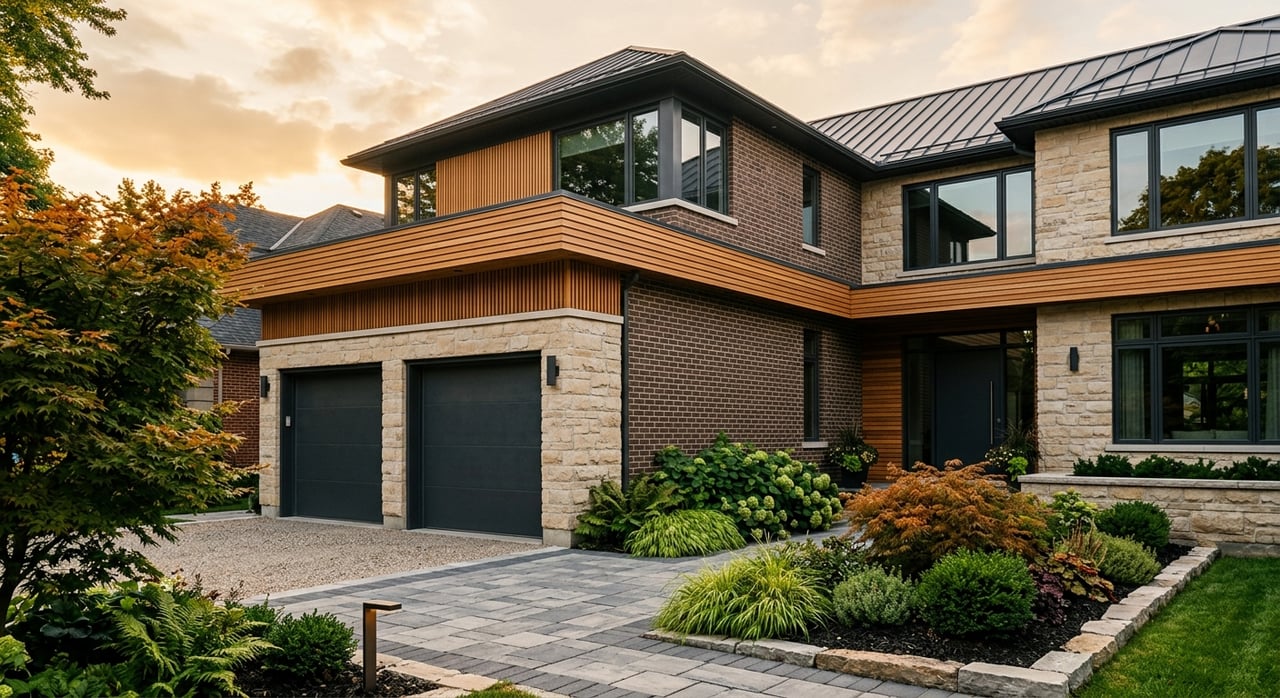
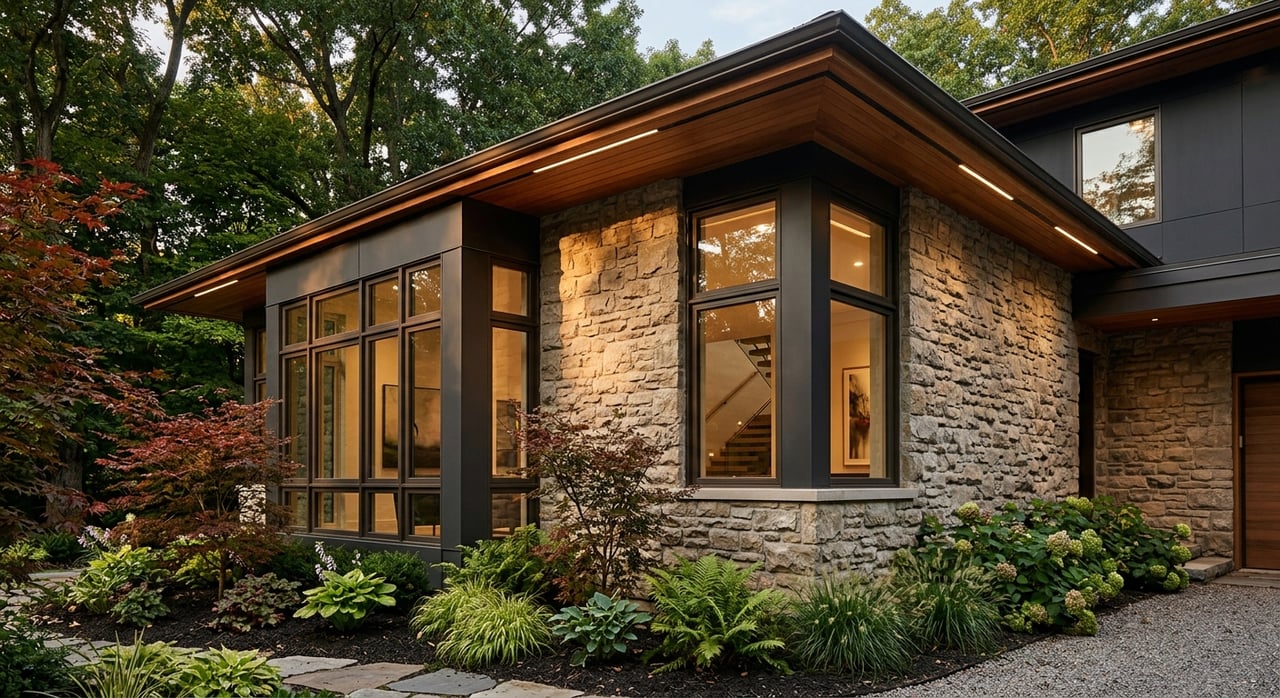
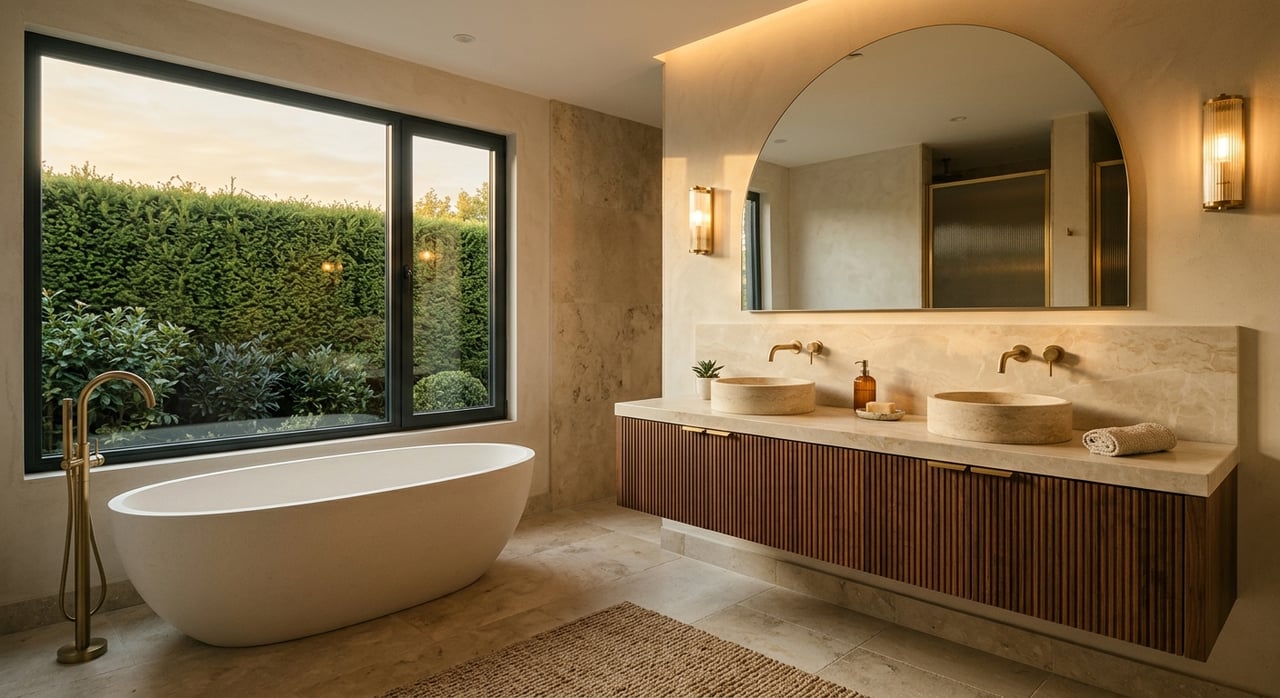
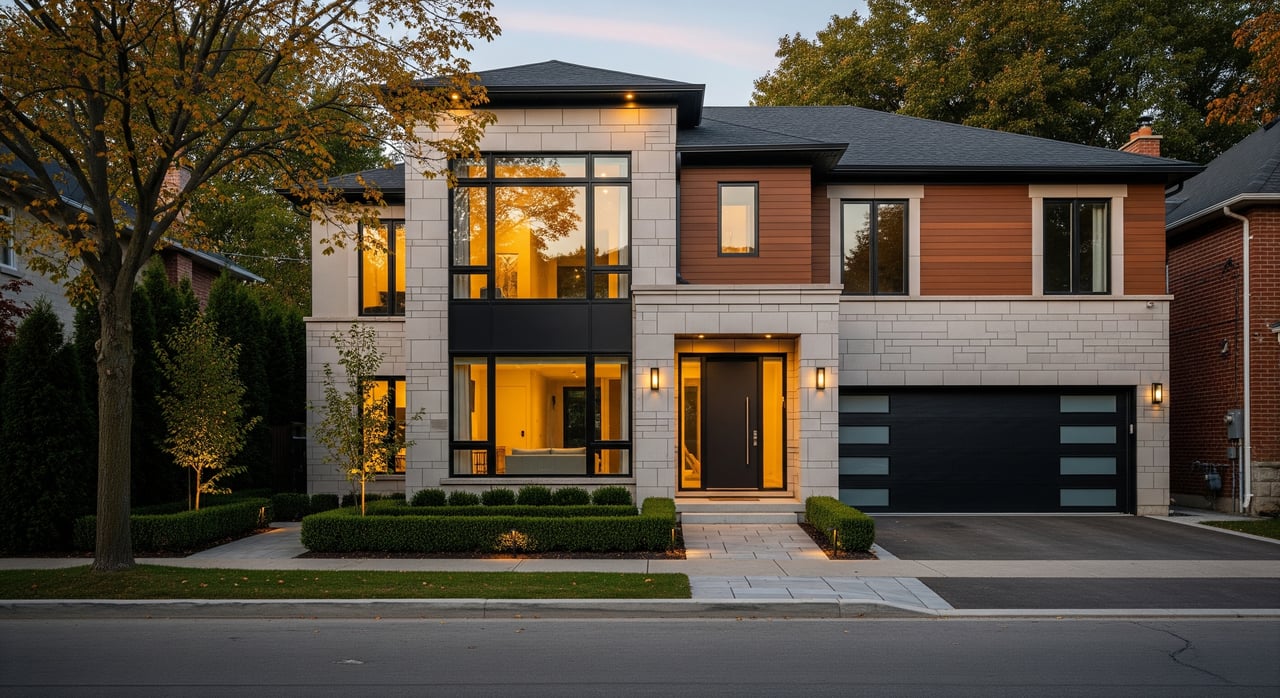
- In-suite features. Larger 2+ bedroom layouts, primary suites, higher ceilings, premium appliances, stone counters, hardwood, in-suite laundry, smart-home tech, and storage.
- Building services. Secure access, concierge or on-site management, fitness, resident lounges, package lockers, rooftop terrace, pet amenities, EV charging, and private or covered parking.
- Location benefits. Proximity to transit, retail, dining, parks and trails, and established neighborhoods can lift perceived value and support stronger absorption.
Micro-locations that stand out
In Aurora, certain pockets tend to resonate with higher-income renters:
- Yonge Street and downtown. Walkable access to dining, boutique retail, and town services appeals to lifestyle-focused tenants.
- Aurora GO Station area. Commuters prioritize reliable access to regional transit and quick connections to Toronto and York Region job nodes.
- Green-space adjacency. Parks and trails can command a premium for renters who value an outdoor lifestyle.
- Newer mixed-use nodes. Areas with modern buildings and curated retail often support luxury positioning through both product and place.
Risks to watch
Every luxury play involves risk, so build in buffers and contingencies:
- Overbuilding. If multiple projects launch at once, absorption can slow and concessions may be needed.
- Interest rates and financing. Shifts in lending terms and rates can compress returns, especially for construction or highly leveraged purchases.
- Transit changes. Reduced service or delays can weaken demand for transit-oriented rentals.
- Regulatory shifts. Changes to rent rules, development charges, or municipal bylaws can alter the numbers quickly.
- Segment specificity. Luxury renters expect premium service and programming. Property management quality will directly affect retention and NOI.
Step-by-step research plan
Use this practical workflow to stress test your thesis:
- Pull current rental and vacancy data. Start with recent reports for York Region and the GTA to understand vacancy trends and new supply.
- Confirm population and household growth. Check Statistics Canada and York Region forecasts to see if household formation supports sustained demand.
- Map the pipeline. Review Aurora’s planning portal for active applications and approvals that add multi-unit supply along corridors and transit nodes.
- Build rent comps. Compile luxury rental and condo listings in Aurora and nearby towns to calculate rent per square foot by unit type and amenity set.
- Verify zoning and fees. Confirm what you can build or operate, then gather development charges, parkland requirements, and parking ratios.
- Check transit plans. Review service levels and planned improvements for the Aurora GO Station and regional transit routes.
- Interview local operators. Speak with a town planner, apartment broker, and property managers who serve Aurora to validate rent premiums and absorption timelines.
- Review landlord rules. Revisit the Residential Tenancies Act to confirm rent control treatment for newer units and the current notice process.
- Run sensitivities. Model best, base, and downside cases across rents, vacancy, construction costs, and financing terms.
Pro forma checklist
Before you green-light, make sure you have:
- Current rent ranges by unit type for both purpose-built and condo rentals in Aurora and nearby submarkets.
- A recent vacancy trend line to anchor absorption assumptions.
- A short list of true luxury comps with unit sizes, finishes, amenities, and year built to justify your rent premium.
- Cap rate guidance from recent York Region multifamily transactions to cross-check your pricing and yield.
- A line-by-line operating budget with quotes for management, maintenance, cleaning, utilities, and insurance.
- A clear view of development charges, timelines, and any site-specific constraints if you plan to build.
Exit and positioning strategy
Luxury renters are discerning, so plan for the full lifecycle:
- Branding and leasing. Position your offer with curated visuals and clear, lifestyle-focused messaging. Emphasize service, privacy, and convenience.
- Resident experience. Deliver consistent maintenance standards, proactive communication, and thoughtful amenities that match your target renter.
- Hold versus sell. Revisit your exit options annually. Compare sell-now valuations with hold-and-refinance outcomes based on updated rents and cap rates.
How we help
You want a clear, time-saving path from thesis to decision. With deep knowledge of Aurora, Newmarket, and King, you can lean on a structured approach that blends neighborhood-level insight with disciplined analysis. If you are weighing a luxury rental, align your plan with location, service level, and product quality that your target renters will pay for. When you are ready to move from research to action, a local, boutique advisor can streamline valuation, comps, and strategy.
Ready to assess the luxury rental potential of a specific property or site in Aurora? Connect with Lisa Colalillo for a discreet, data-informed consultation tailored to your goals.
FAQs
What defines a luxury rental in Aurora?
- A newer or recently upgraded unit that pairs premium finishes and in-suite features with building services like secure access, fitness, resident lounges, and often concierge-level support.
Which Aurora locations best support high-end rents?
- Areas near Yonge Street and downtown, the Aurora GO Station, and pockets with strong park and trail access tend to attract higher-income renters seeking convenience and lifestyle.
How do transit changes affect luxury rental demand?
- Improved GO Transit frequency or station upgrades can expand your tenant pool and support rent premiums, while service reductions can soften demand near transit nodes.
How should I model vacancy and absorption for new product?
- Start with recent regional vacancy trends, then overlay comps for new, amenity-rich buildings and speak with local property managers to validate lease-up timelines.
What should I know about rent rules for newer units?
- Ontario’s Residential Tenancies Act treats some newer units differently for rent control; confirm current rules before you model rent growth or renewal strategies.
What risks could compress returns on a luxury rental?
- Overbuilding, interest rate shifts, transit changes, and regulatory updates can impact rents, absorption, and expenses, so always run best, base, and downside cases.