Are you wondering what price will attract serious buyers for your Aurora luxury home without leaving money on the table? You’re not alone. Pricing the top tier of the market is both art and science, and the right strategy can shorten your timeline while protecting your equity. In this guide, you’ll learn how to define Aurora’s luxury segment, build a defensible price range, align marketing with pricing power, and time adjustments with confidence. Let’s dive in.
Define luxury in Aurora the right way
Talking about “luxury” without a local lens can mislead you. In Aurora, the luxury tier is best defined by the top slice of recent sales, not a fixed dollar number. A practical method is the top 5 to 10 percent approach. You look at the most recent 12 months of MLS sales in the Town of Aurora and identify the price point where the top decile begins. That becomes your working luxury threshold.
Why this matters: prices move with Greater Toronto Area dynamics, York Region trends, and micro-neighbourhood factors. A fixed number can go stale. The top-decile method adjusts with the market and reflects where qualified buyers are actually transacting.
Tip: When you calculate, include recent sales from Aurora’s higher-end pockets, such as select streets in north Aurora and areas near the Oak Ridges Moraine, to keep the comparison set relevant.
Build a data-driven price range
Start with a robust CMA
A Comparative Market Analysis is your pricing foundation. Focus on recent, proximate luxury sales from the past 6 to 12 months. Include active, conditional, and withdrawn listings to see where the market accepted or rejected certain price levels. In Aurora’s luxury tier, the buyer pool is smaller and marketing windows can be longer, so older sales may require careful time adjustments.
Select true comparables
Aim for homes within the same micro-market and on similar streets where possible. Match key attributes: lot size and setting, square footage, bedroom and bathroom count, garage capacity, and finish level. Features like ravine exposure, privacy, cul-de-sac placement, and sun orientation can carry significant premiums and should be documented.
Adjust for premium features
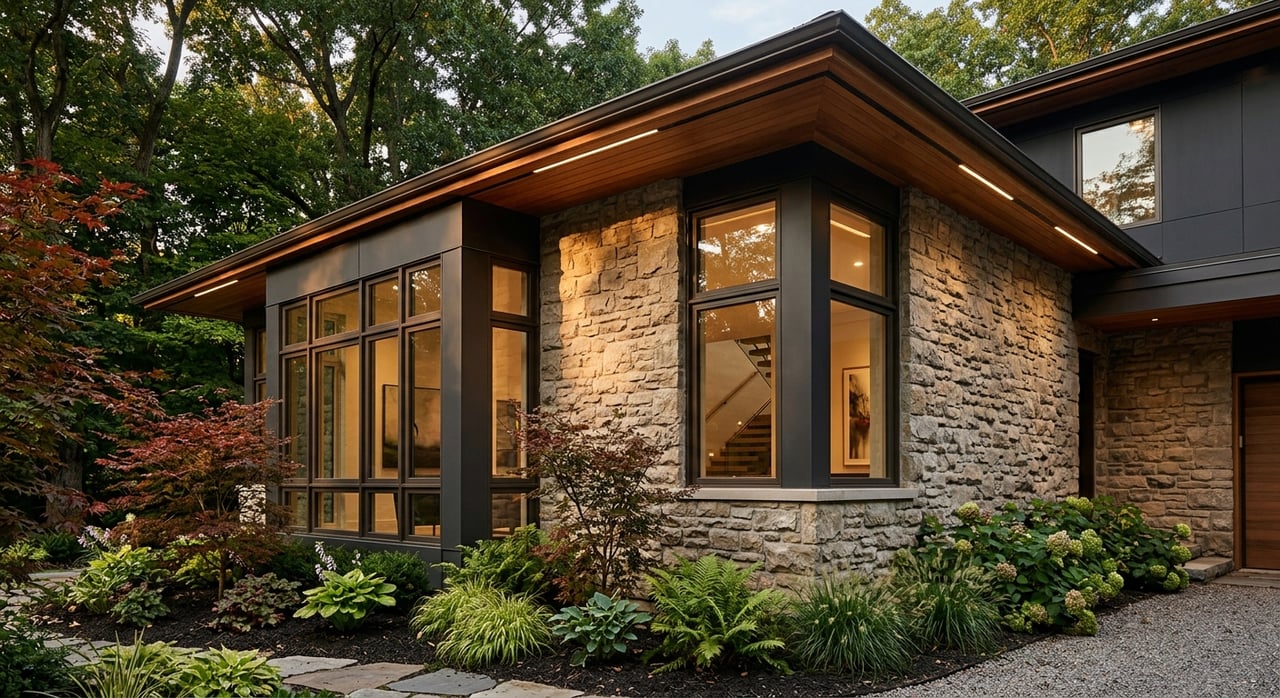
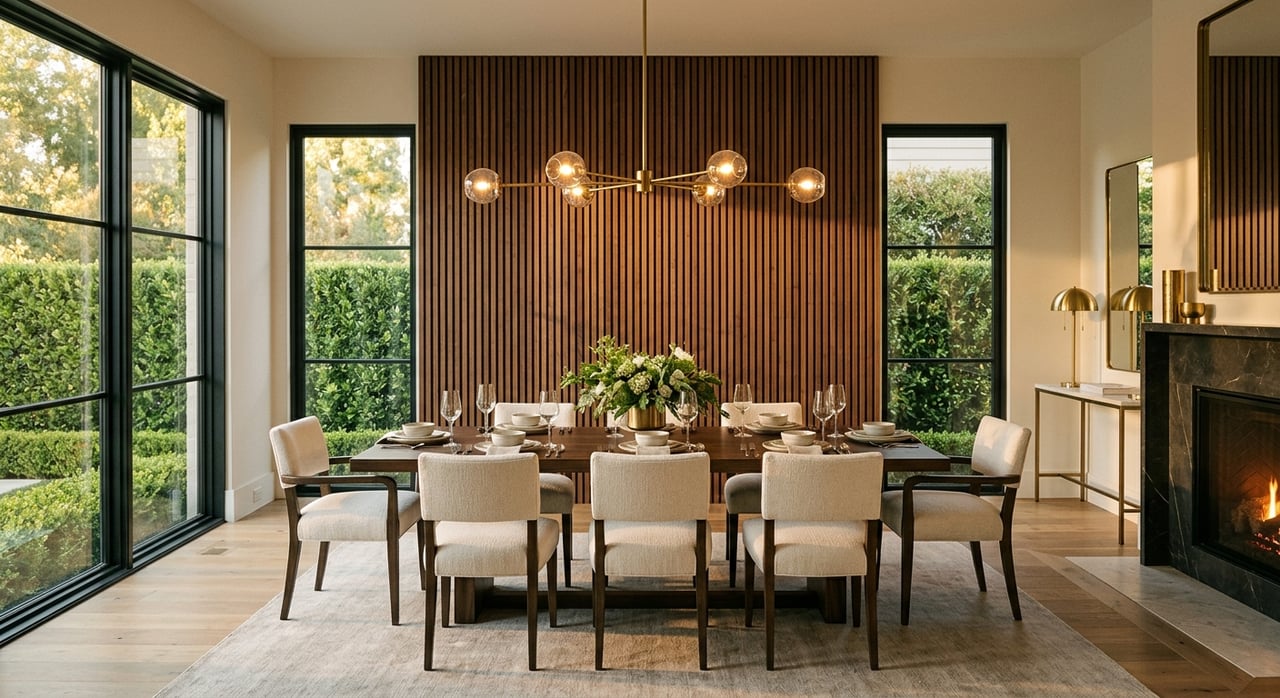
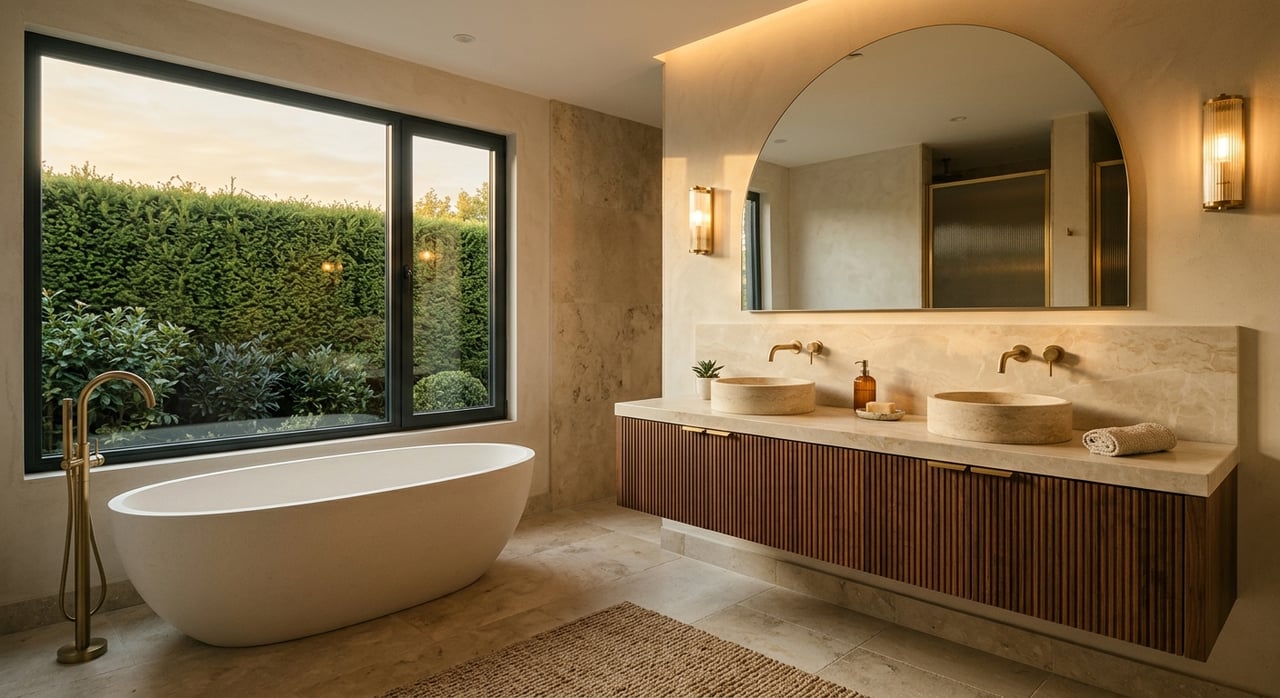
High-end value often lives in the details. Custom millwork, imported stone, designer lighting, integrated automation, and resort-style outdoor spaces influence buyer perception and price. Treat these as qualitative adjustments supported by evidence from nearby luxury sales. Unique amenities like a pool, tennis area, or guest suite can be powerful differentiators, but their dollar value depends on local buyer acceptance.
Cross-check price per square foot
Use price-per-square-foot as a secondary reference, not the lead. In luxury segments, lot quality, privacy, and finishes drive value more than raw size. PPSF is useful for pattern recognition, but it can misprice a home with exceptional land or bespoke craftsmanship.
Reference custom builds when relevant
If your property competes with new construction or recent custom builds, study those sales and builder pricing. Replacement cost and new-build comparables help validate your upper bound, especially when quality is on par.
Choose a pricing position that fits your goal
Market-value pricing
Listing close to your realistic expected sale price, supported by a strong CMA, is often the best balance of speed and outcome. It signals seriousness, draws qualified buyers, and reduces the need for multiple price changes.
Strategic underpricing
Pricing slightly below market can create urgency and competition. It can work in segments with deep buyer pools. In the luxury tier, where buyers are fewer and homes are more unique, there is a risk of selling below true value. Use this tactic only with clear evidence of pent-up demand.
Overpricing risks
Starting high might seem like a safe test, but it often leads to longer days on market, future reductions, and buyer skepticism. In the luxury space, each reduction can chip away at perceived value. If you test a premium, make the case with exceptional presentation and verified comparables.
Pre-market and private showings
Pocket listings and private previews can protect privacy and target qualified buyers before full launch. Pricing must be carefully aligned to avoid missing broader market exposure. Use early feedback from private showings to refine your final list strategy.
Align marketing with pricing power
Elevate presentation
Concierge-level preparation supports your price. Decluttering, deep cleaning, strategic staging, and light landscaping refreshes reduce buyer resistance. High-end buyers expect a turnkey feel. Small pre-listing repairs go a long way toward preserving negotiating leverage.
Invest in cinematic media
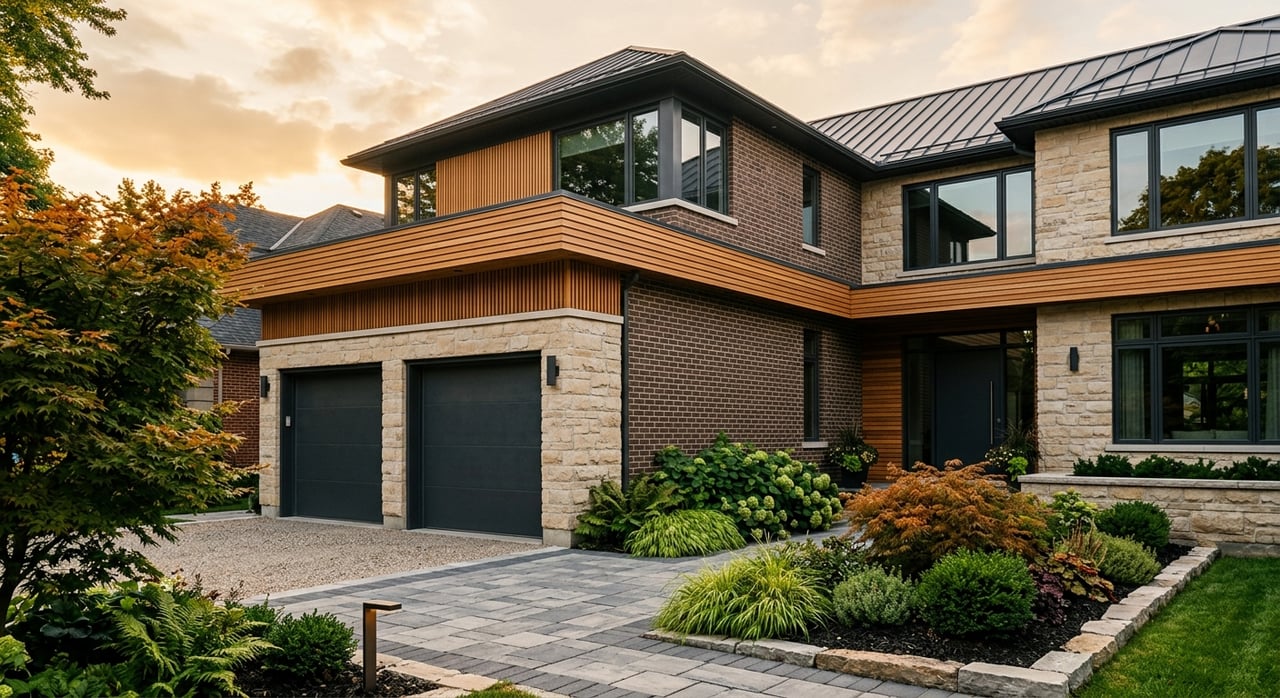
Professional luxury photography, twilight and drone shoots, polished video tours, and immersive 3D experiences help buyers connect emotionally. Bespoke print pieces and a curated digital rollout attract attention beyond standard portals. For Aurora’s top tier, targeted national and international syndication can broaden your buyer pool.
Create curated access
Broker opens and VIP previews give top agents and qualified prospects a frictionless way to experience the home. Private, well-managed showings protect your time and ensure serious interest.
Set timeline expectations
Luxury listings typically take longer to sell than mid-market homes. Weeks to months is common, depending on overall market velocity. Aurora’s demand profile is influenced by York Region and GTA trends, interest rates, and seasonality. Patience paired with disciplined process is key.
Use a defined initial market period, often 30 to 45 days, to collect meaningful feedback. Track showings-to-offer ratios, buyer comments, and agent sentiment. If the market is softening, be ready to adjust earlier. If momentum is building, a steady hand can preserve your premium.
Make thoughtful price adjustments
Avoid frequent, small price cuts. Each reduction can send negative signals and lower perceived value. If data and feedback indicate a gap, consider a single targeted adjustment timed with a marketing refresh. Update photography if seasonality changed the look, refresh the headline and copy, and widen audience targeting to reach underexposed buyer segments.
Factor in financing and regulations
Interest rates and lending rules
The mortgage environment shapes purchasing power, even in the luxury segment. Changes from the Bank of Canada and mortgage qualification guidelines influence borrowing capacity and buyer mix. Keep your pricing plan aligned with the current rate backdrop and approval standards.
Foreign buyer considerations
Federal rules limit many non-resident purchases. The Prohibition on the Purchase of Residential Property by Non-Canadians Act and related regulations affect international buyer participation. Confirm current status and exemptions before weighing international demand in your pricing plan.
Land transfer tax and closing costs
Ontario’s Provincial Land Transfer Tax applies to purchases. Aurora does not have a municipal land transfer tax, unlike the City of Toronto. Buyers and sellers should account for these costs in their negotiations and net proceeds planning.
HST and new builds
HST applies to new-build properties and substantially renovated homes. Most resale homes are generally exempt. In Aurora’s luxury space, where custom builds are part of the landscape, clarify HST status early to avoid surprises.
Capital gains and principal residence
If you are selling a principal residence, the principal residence exemption may apply. Second homes and investment properties are subject to capital gains. For tax specifics, speak with a qualified tax professional.
Renovate, stage, or sell as-is?
Start with buyer expectations for your segment and street. In the luxury tier, clean lines, neutral palettes, and well-maintained systems set the tone. Cosmetic updates with high impact and quick timelines can help, but overbuilding just before listing rarely pays back. Use your CMA and recent buyer feedback to prioritize. Often, focused staging and repairs deliver a better return than major renovations.
Consider these quick-win items:
- Repair obvious defects that would trigger objections.
- Update lighting and hardware for a cohesive, modern feel.
- Refresh paint in key rooms and touch up trim.
- Enhance landscaping at the approach, entry, and rear yard.
Your next steps
- Define your luxury threshold using the top 5 to 10 percent of recent Aurora sales.
- Build a CMA with tight comparables and clear adjustments.
- Choose a pricing position that reflects your goals and the current market.
- Align presentation and marketing to support your ask.
- Set a 30 to 45 day feedback window and plan a measured adjustment if needed.
If you want a data-backed valuation and a curated plan that protects your time, connect with Lisa Colalillo. Our boutique advisory pairs luxury presentation with disciplined process to help you move with clarity. What’s Your Property Worth?
FAQs
How do you define luxury in Aurora?
- Use the top 5 to 10 percent of recent Aurora MLS sales to set a data-driven luxury threshold, rather than a fixed dollar amount that can go stale.
What is the best way to price an Aurora luxury home?
- Start with a robust CMA using recent, local luxury comps, adjust for premium features and lot quality, cross-check with PPSF, and validate against nearby custom-build sales.
Should I underprice to spark bidding in the luxury tier?
- Sometimes, but be cautious. In Aurora’s luxury segment with a smaller buyer pool, underpricing can risk selling below true value if demand is not deep.
How long does a luxury home take to sell in Aurora?
- Expect a longer window than mid-market homes. Weeks to months is common, depending on GTA and York Region market conditions, interest rates, and seasonality.
What marketing supports a premium price?
- Concierge preparation, high-end staging, luxury photography, drone and twilight shoots, cinematic video, immersive tours, bespoke print, and curated private showings.
Do foreign buyer rules affect my potential buyers?
- Yes, federal restrictions shape international buyer participation. Check current rules and exemptions before assuming international demand in your pricing plan.
Are there notable taxes or closing costs to plan for?
- Ontario’s Provincial Land Transfer Tax applies, while Aurora has no municipal land transfer tax. HST may apply to new builds or substantial renovations. Consult a tax professional for personal guidance.
Should I renovate before listing or sell as-is?
- Prioritize high-impact, fast updates and repairs over major renovations. In the luxury tier, staging, maintenance, and presentation usually deliver better returns than large last-minute projects.