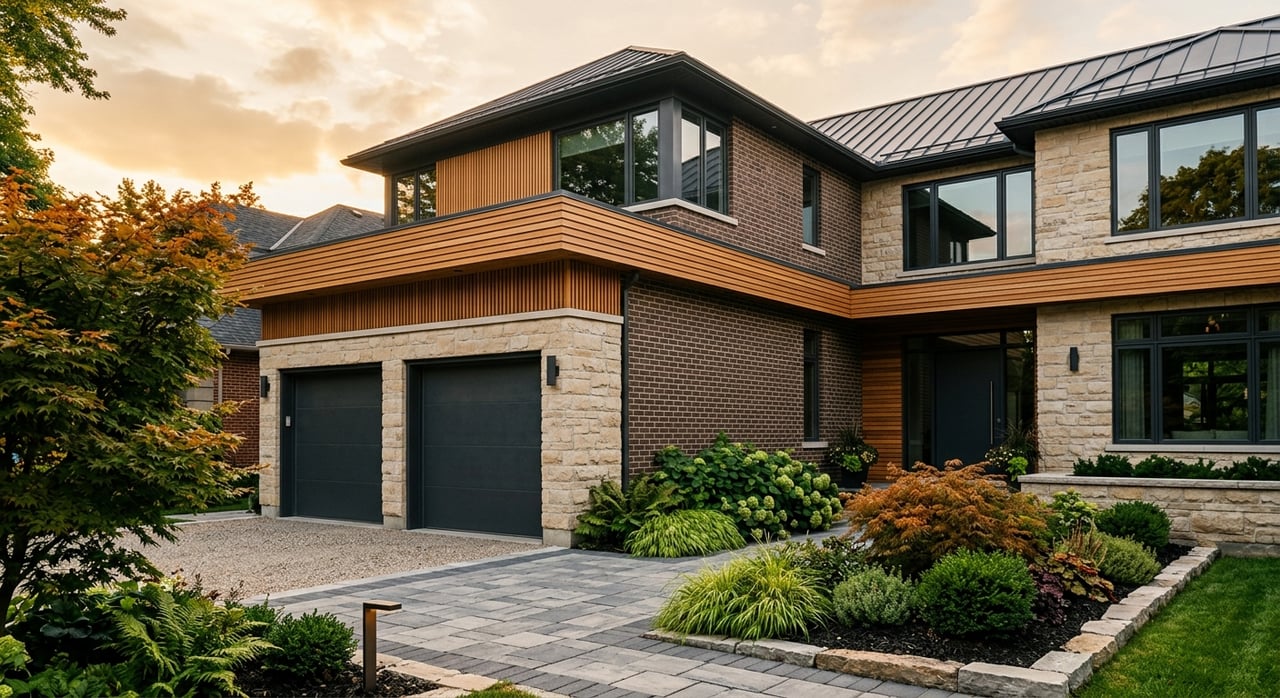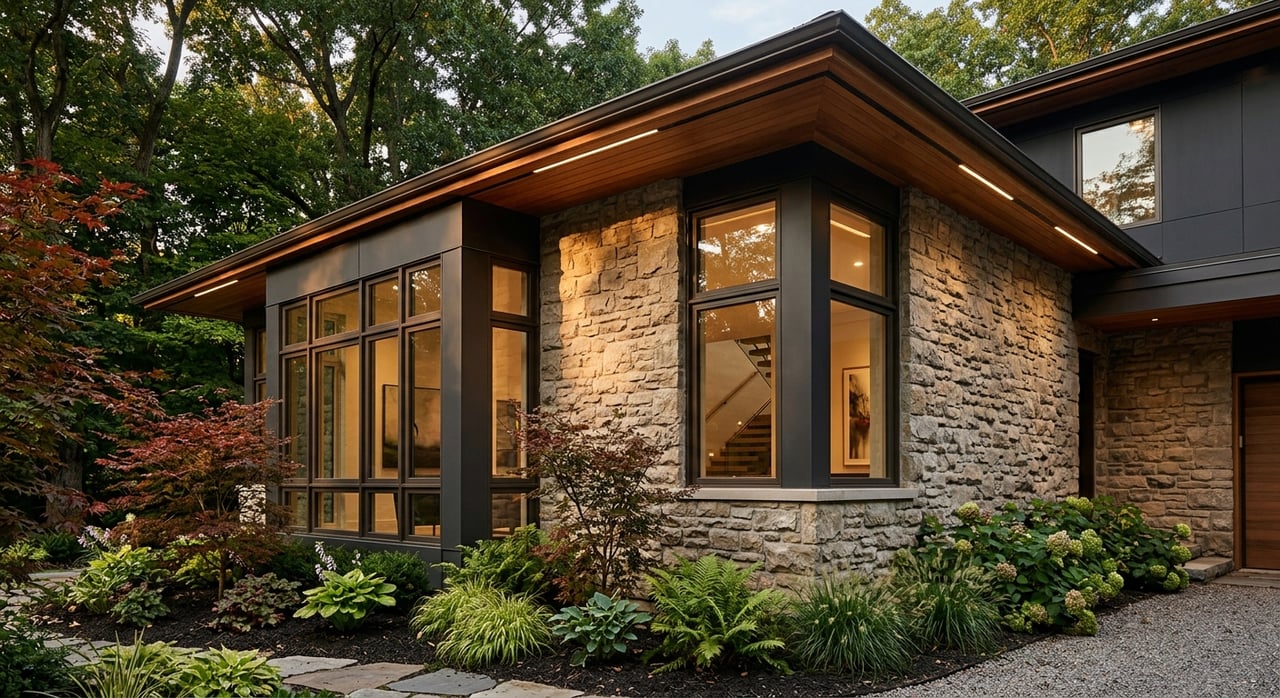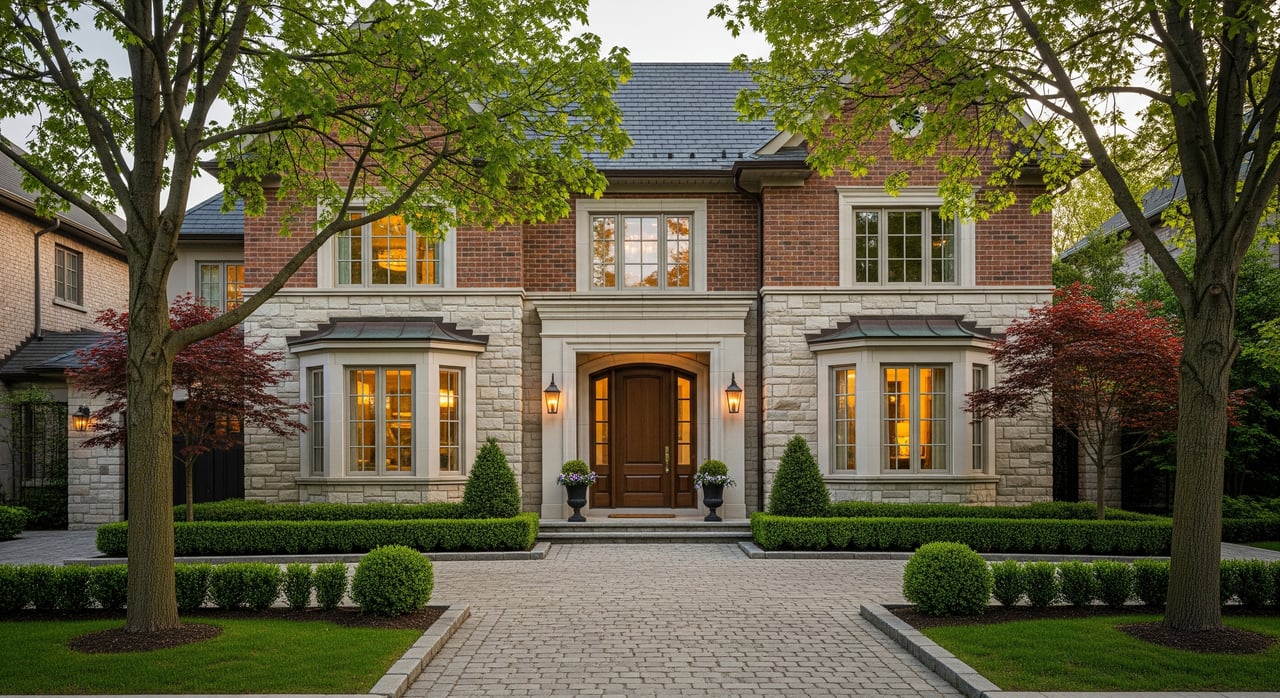
Are you wondering what buyers would really pay for your Aurora home right now? With properties ranging from heritage streets near Aurora Village to estate lots along golf fairways, value can shift dramatically from one block to the next. If you want clarity before you list, refinance, or plan your next move, you need a precise, local view of value. In this guide, you’ll learn the factors that shape prices in Aurora, the methods professionals use to estimate value, and a simple step-by-step process to get a reliable number. Let’s dive in.
Aurora market snapshot: what to check
As of today, the best way to understand current pricing is to review the latest municipal data from the Toronto Regional Real Estate Board (TRREB). Look for benchmarks such as average or median sale price by property type, days on market, months of inventory, and the ratio of new listings to sales. Always date your snapshot, since market conditions change with interest rates, supply, and seasonality.
Use this data as context. Your home’s value still comes down to the details that buyers in your specific micro-market will pay for.
What drives value in Aurora
Several factors shape what a ready, willing buyer will pay under typical market conditions:
- Location details: Walkability to Aurora Village, proximity to the Aurora GO Station on the Barrie line, and access to Yonge Street and Bayview Avenue commute routes influence demand.
- Lot characteristics: Size, frontage, privacy, mature trees, grading, and outdoor living potential matter, especially on larger lots common in parts of Aurora.
- Home type and supply: Detached, semi, townhome, or condo each follow different supply and demand patterns. Bungalows and estate-calibre homes can behave differently than two-storey family homes.
- Age and condition: A well-maintained roof, windows, and HVAC, plus modern kitchens and bathrooms, usually increase buyer confidence and value.
- Renovations and permits: Documented, permitted work and finished basements with proper approvals typically command stronger offers than unpermitted changes.
- Size and layout: Functional layouts, bedroom and bathroom count, and quality of basement finishing drive livability and price.
- Zoning and potential: Local zoning and the Town’s Official Plan policies affect additions, severance potential, and secondary suite possibilities.
- Environmental context: Oak Ridges Moraine and conservation considerations may limit redevelopment and can influence buyer pools.
- Market timing: Interest rates, seasonality, and listing competition can tilt results either way.
- Relevant comps: The most persuasive data comes from similar properties that sold recently in your immediate area.
How professionals estimate your home’s value
Comparative Market Analysis (CMA)
A CMA is a curated set of recent sold, active, and expired listings that match your home’s type, size, location, and features. A skilled local agent adjusts for differences such as lot size, renovations, and finished basements to arrive at a pricing range. This is the most practical tool for setting a list price.
Professional appraisal
An accredited appraiser provides a formal, impartial valuation that lenders often rely on. Appraisals use recognized approaches to value and deliver a documented report. They come with a fee and are most useful for lending, estates, divorces, or tax appeals.
Automated Valuation Models (AVMs)
AVMs use algorithms to estimate value instantly. They are quick and helpful as a first check, but they can miss the mark on unique homes, recent renovations, or in pockets with limited comparable sales. Treat AVMs as a starting range, not a final number.
MPAC assessed value
MPAC assessments exist for property taxation and use mass appraisal as of a set valuation date. They do not equal current market value and can lag recent market shifts.
Broker price opinion (BPO)
A BPO is a shorter, informal estimate similar to a CMA. Quality varies by the professional preparing it. Use it as guidance, not a replacement for a thorough CMA.
Step-by-step: get a precise Aurora valuation
- Gather documents
- Collect your latest property tax bill and MPAC notice, surveys, permits, renovation receipts, floor plans, and any condo status documents if applicable.
- Run initial online checks
- Review two or more online estimates for a rough range and look at recent sold activity for your micro-market. Keep notes on property differences.
- Request 1–3 local CMAs
- Ask local REALTORS for a CMA that uses recent sales within your neighbourhood. Request clear explanations for adjustments on lot, square footage, and improvements.
- Consider inspection or appraisal
- If condition disputes are likely or a formal number is needed, a pre-listing home inspection or appraisal can reduce uncertainty.
- Prepare your home for apples-to-apples comparison
- Document upgrades and permits, complete small repairs, declutter, and refresh photos. If you plan to list soon, consider professional staging.
- Choose a pricing strategy
- Decide with your agent whether to price at market, test an aspirational list price, or position below market to attract multiple offers. Align the strategy with your timeline and risk tolerance.
- Estimate your net proceeds
- Account for commission arrangements, legal fees, mortgage discharge penalties if any, and adjustments. Your agent can help you build a clear net sheet.
- Monitor and adjust
- After listing, track showings, feedback, and new comparable sales. Adjust if the market signals that buyers need a clearer value story.
Aurora examples: why similar homes sell differently
These simplified scenarios show how small differences can shift price perceptions.
Example 1: Two family homes, similar size
- Home A: A two-storey detached near Aurora Village with a walkable location, refreshed kitchen, and a private, treed yard.
- Home B: A similar model farther from transit with original finishes and a smaller, open yard.
- Why values differ: Buyers typically pay more for walkability, recent renovations, and outdoor privacy. Even with similar square footage, amenities and micro-location can create a notable price gap.
Example 2: Estate lot versus golf-course adjacency
- Home A: Custom home on an expansive lot with room for an addition and a pool, plus documented, permitted renovations.
- Home B: Comparable living space backing onto a golf fairway but with restrictive grading and limited expansion options.
- Why values differ: Future potential, privacy, and flexibility can rival or exceed views. Permits and documentation add confidence that supports stronger offers.
Example 3: Townhomes with different basements
- Home A: Freehold townhome with a legal, permitted secondary suite, separate entrance, and updated mechanicals.
- Home B: Similar townhome with an unpermitted basement finish.
- Why values differ: Legal suites that meet municipal standards can attract investor and multi-generational buyer interest. Unpermitted work raises risk and can reduce value.
Smart ways to lift perceived value
- Curate documentation: Create a binder or digital folder with permits, invoices, manuals, and warranties to signal pride of ownership.
- Finish the easy wins: Repair caulking, touch up paint, service HVAC, replace tired light fixtures, and refresh landscaping.
- Elevate first impressions: Power wash, tidy gardens, and update house numbers and mailbox. Curb appeal sets the tone.
- Stage with intention: Right-size furniture, neutralize decor, and define spaces to photograph beautifully and live well during showings.
- Showcase outdoor living: Style decks and patios to highlight dining, lounging, and play zones, especially valuable on larger Aurora lots.
- Clarify legality: If you have a secondary suite, confirm status and documentation. Clear answers remove friction for buyers and lenders.
Pricing strategy that fits your goals
- Market pricing: List near the CMA-supported value to signal realism and capture strong early interest.
- Aspirational pricing: Test higher pricing if your home has rare features. Expect a longer timeline and plan a data-driven review.
- Competitive pricing: Price strategically to drive traffic and potential multiple offers, then evaluate results against your desired terms.
Your agent should back each approach with real comps, clear adjustments, and a plan for the first 14 days on market.
When to consider a formal appraisal
Get an appraisal if you are navigating estate planning, separation, a tax appeal, or a complex refinance. Appraisals provide an impartial, documented opinion of value that parties and lenders recognize. Pair the appraisal with a local CMA to understand buyer behavior and listing strategy.
Common pitfalls to avoid
- Relying only on AVMs: Treat online estimates as a range, not a decision-maker.
- Confusing MPAC with market value: MPAC is for taxation and may not reflect today’s pricing.
- Skipping permits: Unpermitted work can reduce buyer confidence and financing options.
- Ignoring constraints: Conservation and zoning rules can limit additions, secondary suites, or severance.
- Missing the timing: Launching into a high-competition week without standout presentation can mute your result.
Your next step
If you want a precise, private read on your home’s value, request a data-backed CMA tailored to your property and micro-market. You will get a clear pricing range, adjustment notes, and a strategy aligned to your goals and timeline. To start a confidential conversation, connect with Lisa Colalillo.
FAQs
How is MPAC assessed value different from my Aurora home’s market value?
- MPAC uses mass appraisal for taxation as of a set valuation date, while market value reflects what a buyer would pay today. MPAC can lag current conditions.
Which comparable sales should I use to price my Aurora home?
- Use recent sales from the past 3 to 6 months of similar type, size, and lot within the same neighbourhood, adjusting for renovations, basement finish, and unique features.
Should I renovate before listing in Aurora?
- Focus on cost-effective updates with broad appeal, like paint, lighting, and curb appeal. For larger projects, get a local CMA to estimate likely return before you invest.
What selling costs should I expect as an Aurora seller?
- Budget for negotiated commission arrangements, legal fees, potential mortgage discharge penalties, and adjustments on closing. Ask your agent for a detailed net sheet.
How long does it typically take to sell in Aurora?
- Timelines depend on pricing, presentation, and market conditions. Use the latest TRREB stats for current days-on-market benchmarks in your property segment.
Can future municipal or regional projects affect my value in Aurora?
- Yes. New transit, schools, or major developments can lift demand, while some high-density projects or environmental constraints can change desirability. Review local planning updates regularly.