Choosing between Aurora Estates and St. Andrews can feel like a fork in the road. Both are sought-after Aurora enclaves, but their day-to-day rhythm, housing styles, and access to amenities may suit you differently. If you are deciding where to focus your search, you want clear criteria, not guesswork. In this guide, you will get a practical framework to compare these two neighbourhoods across housing, schools, commuting, amenities, and future planning so you can move forward with confidence. Let’s dive in.
Boundaries and names to confirm
Understanding boundaries is step one. Neighbourhood labels can vary between municipal maps and how brokerages tag listings on MLS. This affects school catchments, comparable sales, and even your commute.
- Check the Town of Aurora’s neighbourhood and planning maps to confirm boundaries and any official names.
- Use York Region mapping or GIS for a wider view of roads, natural features, and conservation lands.
- If you are zeroing in on a specific address, MPAC parcel data can confirm the lot and its assessment class.
- Expect some alternate naming conventions. A developer name or historic reference may appear in listing remarks even if the municipal map uses a different label.
If boundaries look ambiguous, contact the Town of Aurora planning department or your local councillor for the current definition, then align your search filters to match.
Housing and market: what to compare
When you compare Aurora Estates and St. Andrews, focus on the housing fundamentals that drive lifestyle and long-term value.
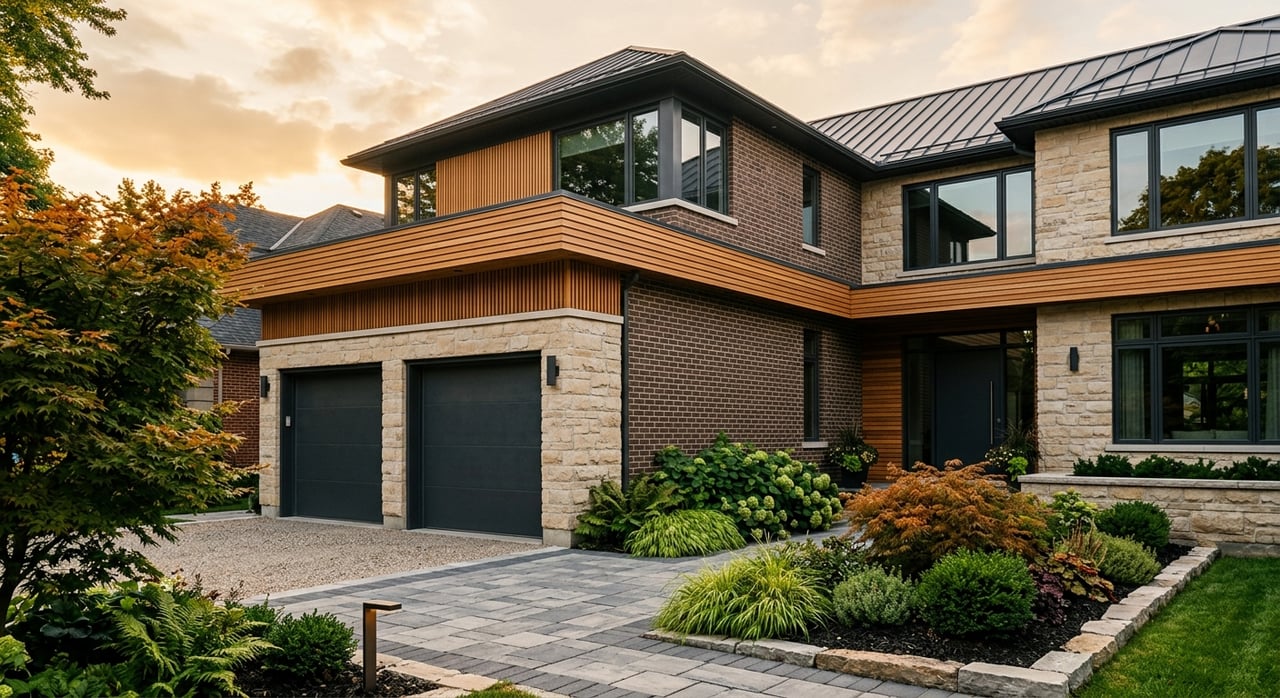
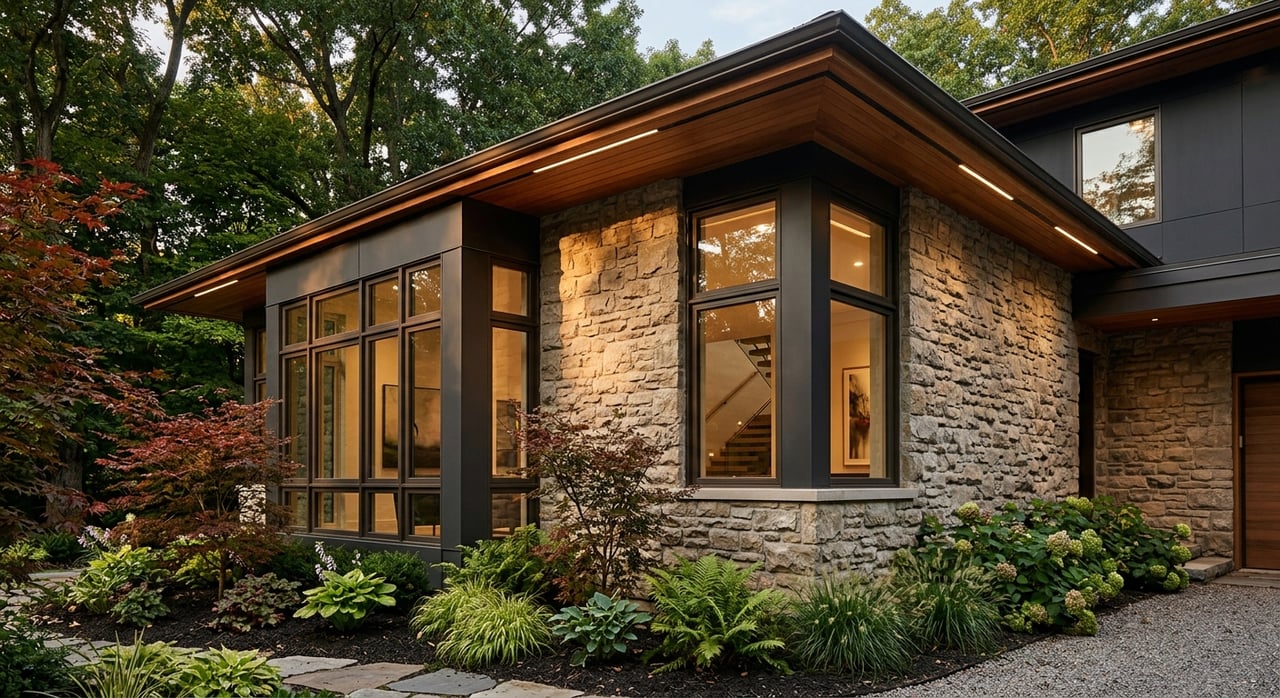
- Home types and era. Note the dominant formats you see in each area, such as detached homes, bungalows, or two-storey designs, and the typical build decades.
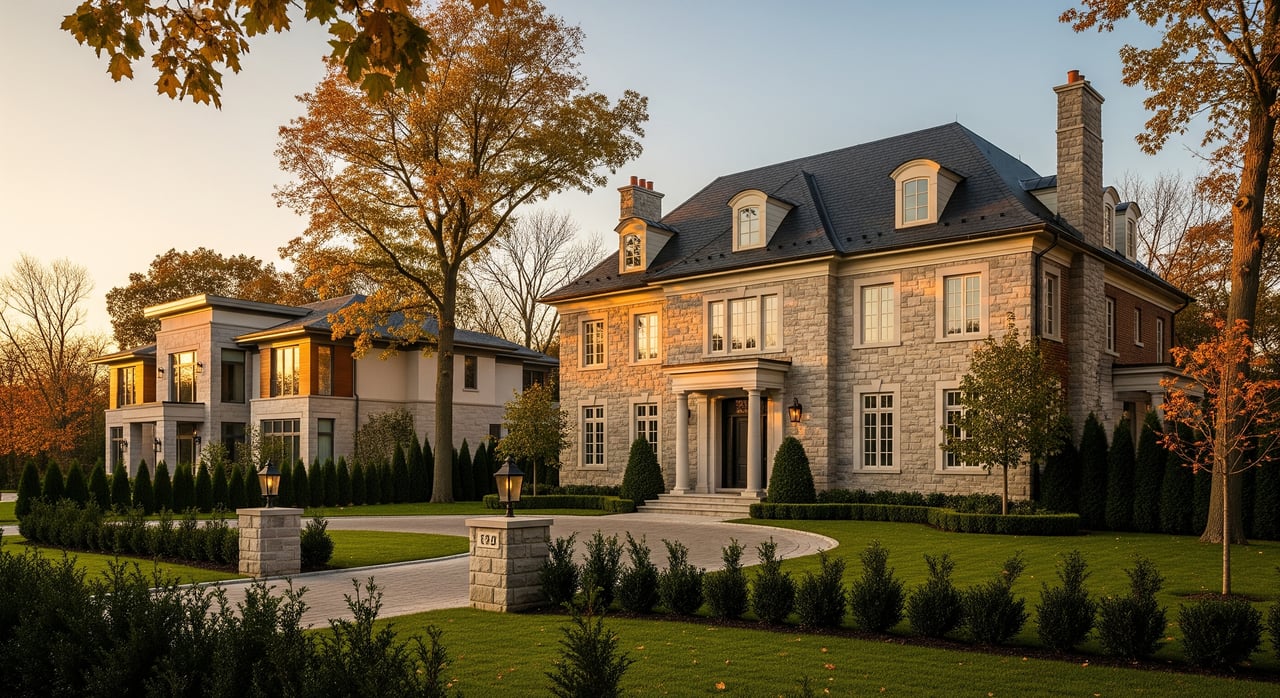
- Lot size and setting. Observe whether listings skew toward larger estate-style lots or smaller infill patterns, and how mature the landscaping appears.
- Condition and renovations. Compare the prevalence of updated kitchens, mechanicals, windows, and roofs, and whether recent additions or custom builds shape the streetscape.
For market context, gather current MLS data for the last 6 to 12 months. Use Toronto Regional Real Estate Board reports to review sold-price ranges, average days on market, and list-to-sale ratios. If neighbourhood-level samples are small, compare Aurora-wide trends and layer in recent examples from each area. Always date your figures, since conditions shift with inventory and rates.
Pre-offer checks that protect value
Before you move to offers, verify the details that can influence both enjoyment and resale:
- MPAC assessed value and property class, to understand taxes and any anomalies.
- Zoning and permitted uses under the Town of Aurora by-laws, especially for additions or accessory structures.
- Conservation considerations with the Lake Simcoe Region Conservation Authority if a property is near ravines, creeks, or regulated lands.
- Any easements, encroachments, or irregular lot shapes that could affect design plans or staging.
Schools and family services
School options are a common decision driver. Boundaries and programs change, so treat everything as time-sensitive and verify directly with the boards.
- Identify the public schools under the York Region District School Board and the Catholic schools under the York Catholic District School Board that currently serve each address.
- Check for programs that matter to your family, such as French Immersion, IB, arts, or STEM. Ask about feeder paths into secondary schools and current application timelines.
- For younger children, review licensed childcare availability and after-school programming. The Town of Aurora’s recreation pages can help you locate nearby community centres, arenas, and seasonal programs.
When comparing Aurora Estates and St. Andrews, map the distance from your target homes to school sites, confirm bus routes if needed, and keep a list of program priorities so you can weigh trade-offs quickly.
Commute and transit comparison
Commuting patterns can shape your week. In Aurora, the Aurora GO Station sits on the Barrie line, offering train connections south toward Toronto. York Region Transit and Viva provide local bus routes with connections to GO and Yonge Street. For drivers, key corridors include Highway 404, Yonge Street, Wellington Street, and St. John’s Sideroad.
To choose confidently between Aurora Estates and St. Andrews, test the commute you plan to take:
- Time your drive to Aurora GO or directly to your workplace during both peak and off-peak periods.
- If you plan to take transit, review GO Train schedules for the Barrie line and coordinate bus connections through York Region Transit.
- Note on-street parking norms and driveway capacities on the blocks you are considering, since these small details affect daily convenience.
Amenities, parks, and neighbourhood character
Lifestyle fit often comes down to what is nearby. Build a simple map for each neighbourhood with pins for essentials and your personal must-haves.
- Retail and services. Compare the distance to grocery stores, pharmacies, medical clinics, banks, and dining along Yonge Street and nearby plazas.
- Parks and recreation. Identify your closest parks, trails, splash pads, and arenas. If you enjoy golf or conservation lands, note any courses or trail systems within a short drive.
- Streetscape and heritage. Review the age of homes and presence of mature trees. The Aurora Historical Society and municipal heritage resources can provide further context on architectural character and local history.
Walk each area at different times, weekday mornings and weekend afternoons, to check traffic flow, parking, and ambient noise. Small observations help you choose the street that feels right.
Development outlook and planning
Today’s tranquility can evolve as the town grows. The Town of Aurora Official Plan and current development applications will flag where change is likely.
- Scan active site plans and rezoning proposals, with a close eye on projects that may influence your preferred streets or commuting routes.
- Track York Region infrastructure plans for road improvements or transit investments that could enhance access.
- If a property borders natural features, consult Conservation Authority policies to understand any future constraints.
Use neutral language as you evaluate impacts. New amenities can add convenience and support resale, while construction periods may require patience. Plan your timelines accordingly.
Who each area may fit
Both Aurora Estates and St. Andrews attract buyers who value quality, privacy, and access to strong regional amenities. The right choice depends on your priorities.
- If you prize larger lots, privacy, and a retreat-like setting, review listings and recent sales in Aurora Estates to see if the current inventory aligns with your wish list.
- If you prefer established streets, proximity to community facilities, and a short hop to transit connections, explore how St. Andrews positions you relative to your daily destinations.
- For hybrid priorities, keep a shortlist in each area. In a dynamic market, the perfect fit can appear in either neighbourhood.
A brief discovery call focused on lifestyle, timelines, and budget will narrow your search quickly and protect your time.
Comparison checklist
Use this quick checklist to compare Aurora Estates and St. Andrews on the merits that matter to you:
- Boundaries and cross streets confirmed with Town of Aurora mapping
- Dominant home types and build decades observed from recent MLS listings
- Lot sizes, mature landscaping, and streetscape notes
- Recent sale price ranges and average days on market, date-stamped from TRREB or MLS
- Current inventory level and showing activity patterns
- School catchments verified with YRDSB and YCDSB, plus program availability and feeder paths
- Commute plan mapped, including drive time to Aurora GO and Highway 404 access
- Proximity to Yonge Street retail, grocery, medical, and dining
- Nearby parks, trails, arenas, and recreation options
- Zoning, conservation considerations, and any active development applications
- Property taxes estimated from MPAC assessed value and municipal tax rates
- Practicalities such as parking, driveway capacity, and seasonal maintenance needs
How to verify your short list
A concise verification step saves time and prevents surprises.
- Pull 12 to 24 months of sales for each neighbourhood to confirm trend direction and seasonality.
- Confirm school boundaries and programs directly with the boards, then bookmark application timelines.
- Test commute routes during your typical travel window, including parking at Aurora GO if you plan to park-and-ride.
- Review the Town of Aurora’s active development files for nearby projects and infrastructure updates.
- For any property of interest, request MPAC details, zoning confirmation, and, if applicable, input from the Conservation Authority.
Next steps
Choosing between two excellent Aurora neighbourhoods should feel clear, not rushed. If you want a curated, time-saving path to the right home, we can help you verify boundaries, surface the most relevant comps, and focus your search on streets that match your lifestyle and long-term goals. Ready to move forward with clarity?
Connect with Lisa Colalillo for a private consultation and a bespoke valuation path. What’s Your Property Worth?
FAQs
Which neighbourhood is better for families comparing Aurora Estates and St. Andrews?
- Start with your program needs and daily routine, verify current school catchments with the public and Catholic boards, then compare park access, childcare options, and commute plans to see which area aligns with your schedule.
How do commuting options differ between Aurora Estates and St. Andrews?
- Both areas can use the Aurora GO Station on the Barrie line and York Region Transit connections, so test your exact route to Aurora GO and Highway 404 during peak times to determine the smoother door-to-door trip from each address.
Where can I find current price trends for these neighbourhoods?
- Use Toronto Regional Real Estate Board data and recent MLS sales for the last 6 to 12 months, then compare against Aurora-wide figures; date-stamp all numbers and focus on ranges to account for property differences.
Do property taxes vary between Aurora Estates and St. Andrews?
- The municipal tax rate applies across Aurora, but individual taxes vary based on MPAC assessed values; review the assessment for each property to estimate annual taxes accurately.
Are there any development projects that could affect either area?
- Check the Town of Aurora’s Official Plan and active development applications, plus York Region infrastructure plans, to identify approved or proposed projects and consider both construction timelines and future amenity benefits.
How can I avoid boundary confusion when searching listings?
- Confirm neighbourhood definitions using Town of Aurora maps and cross-reference with brokerage or MLS neighbourhood tags; when in doubt, verify the property’s exact location and school catchments before touring.