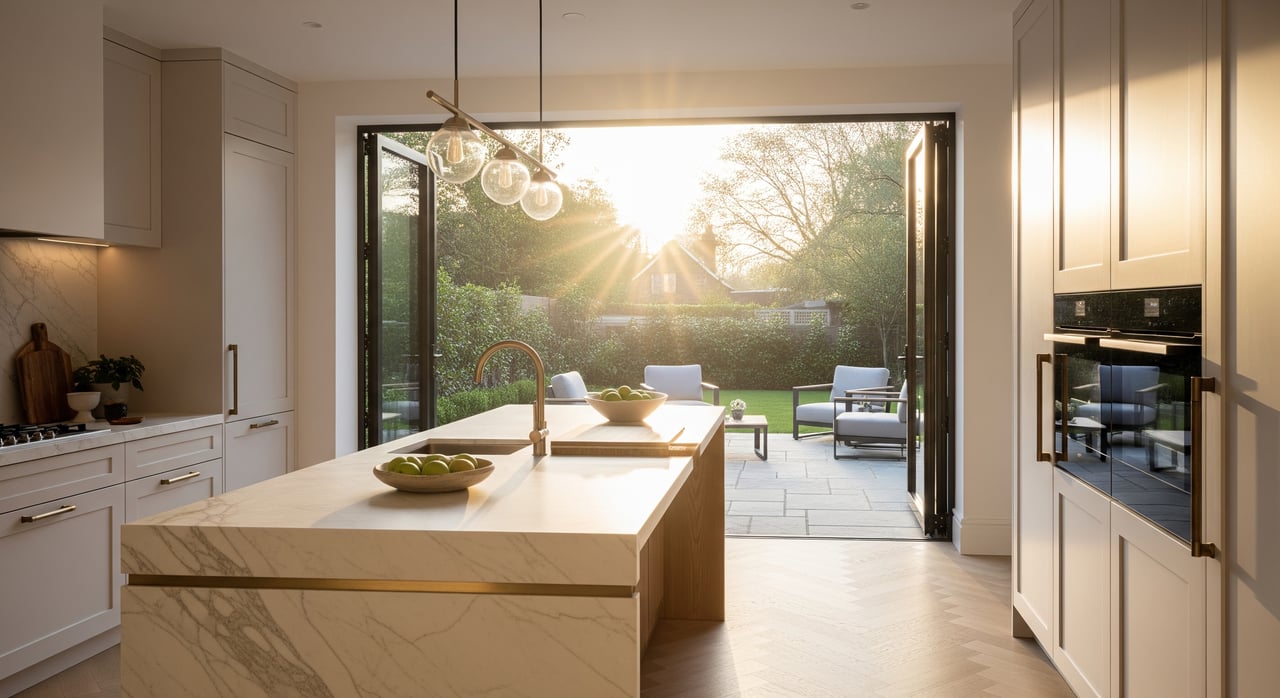
What does luxury living in Aurora feel like on a regular Tuesday, not just in glossy photos? If you are weighing a move, you want to understand the rhythm of a day, the commute, the spaces you’ll live in, and the amenities you’ll use. This guide gives you a grounded picture of everyday life in Aurora’s luxury pockets, with practical tips to help you plan confidently. Let’s dive in.
Life in context: Aurora at a glance
Aurora is a mid-sized town in southern York Region, just north of Toronto, with a population in the low 60,000s per the 2021 Census. It blends a small-town main street feel with regionally significant services, all within the Greater Toronto Area. You can explore municipal resources and services through the Town of Aurora.
Set along the Yonge Street corridor, Aurora connects to Toronto and the region by major routes and GO Transit. The Aurora GO Station on the Barrie line provides regular rail service, and many residents quote about an hour into downtown Toronto, depending on time and schedule. To check current options, visit the Aurora GO Station page.
Luxury in Aurora usually means larger detached or estate homes on generous lots, plus select custom builds and high-end townhomes. Pricing and inventory shift with broader GTA trends. For current market data, review the latest resources from the Toronto Regional Real Estate Board.
Morning to night: A day in Aurora’s luxury pockets
Morning rituals
Your day might start with sunlight spilling into a bright breakfast area while a built-in coffee station or morning kitchen hums in the background. Many luxury homes feature mudrooms with storage and integrated lockers, which keep school bags, outerwear, and sports gear organized. You might stop by a local café on the Yonge corridor before school drop-off or a quick drive to a nearby fitness session.
For households with caregivers or support teams, mornings are coordinated and efficient. The home’s layout supports the flow: garage entry to mudroom, into the kitchen, then out the door. It’s calm, practical, and designed for busy family logistics.
Commute choices
If your office is in Toronto, you can drive or take the GO train. Many professionals use a hybrid approach. On days you plan for focused work, the GO is a steady option; on days with multiple meetings around the region, driving may be more flexible. Travel times vary with traffic and schedule, so it’s best to confirm timing with current GO timetables on the Aurora GO Station page.
Some residents work fully or partly from home. Dedicated, well-lit offices are common in luxury properties, with quiet zones for calls and integrated storage that keeps the space polished. If you prefer a change of scene, local cafés provide an easy mid-morning workspace.
Daytime rhythms
If you are home during the day, you’ll likely enjoy immediate access to trails and pocket parks for quick walks. Contractors, landscapers, or delivery services often rotate through luxury streets, maintaining homes at a high standard. For errands, the downtown Yonge corridor offers boutique shops and services.
On some days, you might schedule personal training or tennis at a private club in the region, or plan a relaxed lunch nearby. For remote workers, the time you save compared to a city commute can translate into an afternoon trail run or a few extra minutes of quiet on a backyard patio.
Evenings and social life
Evenings reflect a low-intensity rhythm. Many families gather around open-plan kitchens for unhurried meals. You may host a small group for wine in a backyard pavilion or head out to a local bistro. Cultural programming is close at hand. The Aurora Cultural Centre hosts exhibitions, small performances, and workshops that add texture to weeknights and weekends.
Weekends often balance local recreation with regional outings. Some households stay local for markets and festivals, then spend a Saturday evening in Toronto for a show or dinner. It’s a flexible lifestyle that lets you scale up or down depending on your energy and calendar.
Homes and properties you’ll see
Architectural character
- Large detached homes, often 2,500 to 6,000-plus square feet
- Custom builds and renovated character homes near Aurora’s historic core
- Boutique townhome enclaves for those who want luxury with less maintenance
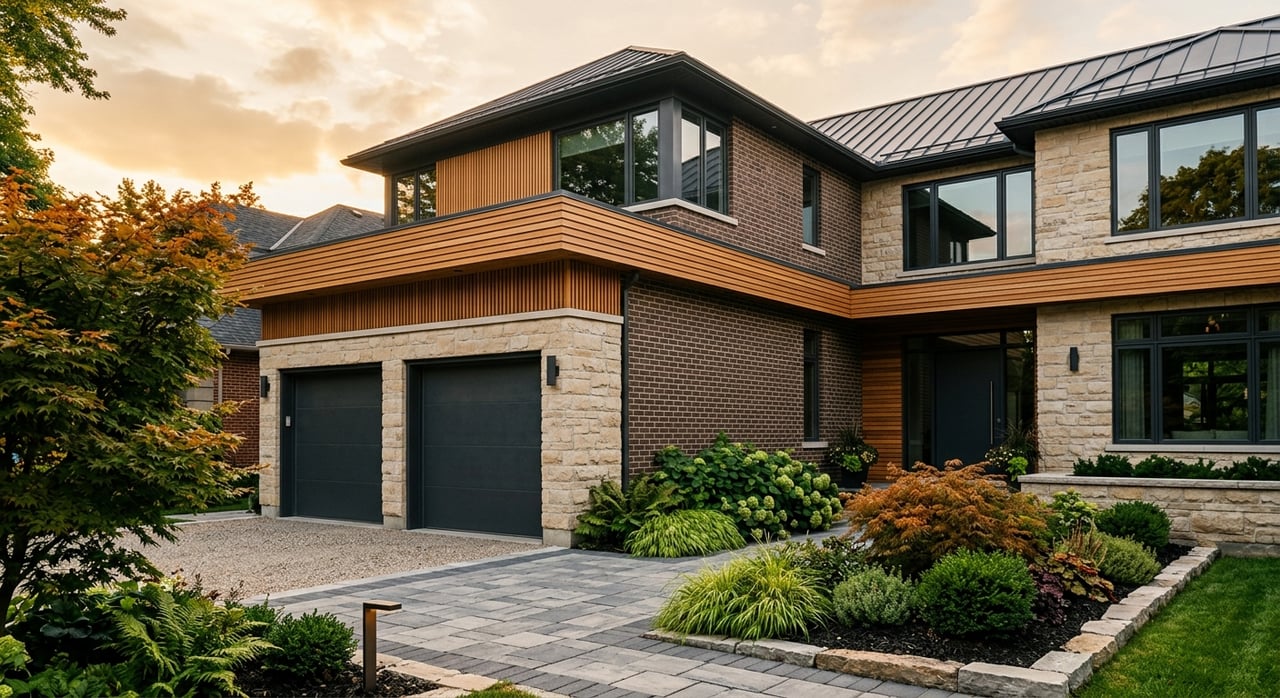
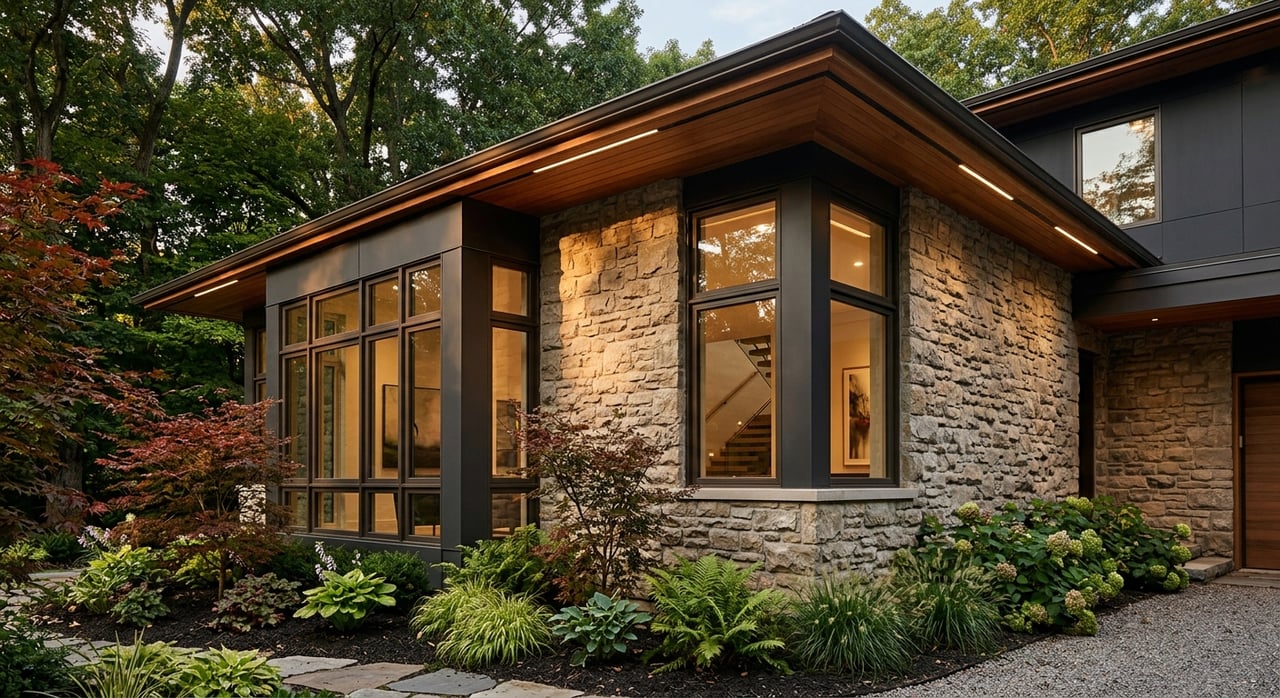
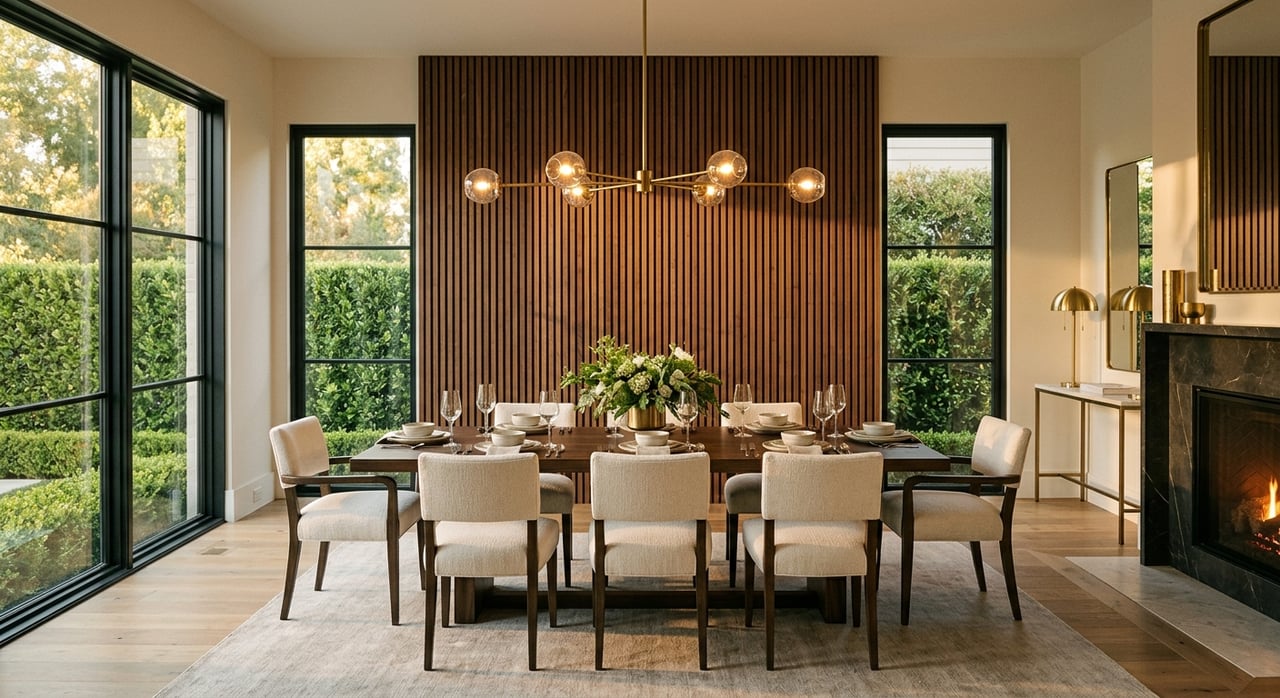
Exteriors commonly feature brick, stone, or stucco with landscaped front yards and driveway parking leading to attached garages. Interiors emphasize flow and light: open main floors, chef’s kitchens with high-end appliances, butler’s pantries, and generous great rooms that anchor family life.
Interiors that support real life
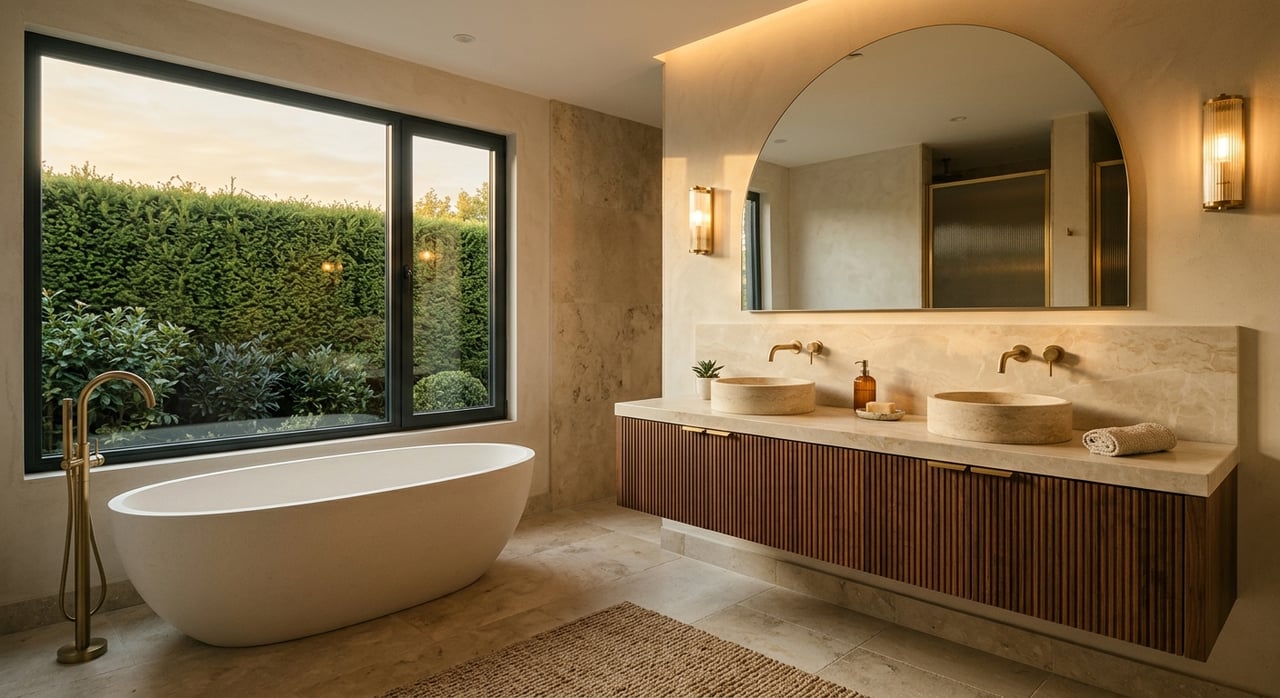
- Primary suites with spa-like baths and walk-in closets
- Dedicated offices with built-in storage and good natural light
- Media rooms, playrooms, and flexible lower levels
- Wine storage or cellars for collectors
- Zoned HVAC, smart-home systems, and energy-efficient windows
These features are less about bells and whistles and more about daily ease. The ability to close a door for a video call or host a piano lesson without disrupting the rest of the home makes a real difference.
Lot sizes and outdoor amenities
Many luxury pockets in Aurora offer larger lots with mature trees. Private patios, outdoor kitchens, pools, or hot tubs are common in higher-end properties. Homes backing onto green space or near conservation corridors provide both privacy and access to nature. You can start a Saturday with coffee on the deck and a short trail walk before your first plan of the day.
Parks, culture, and conveniences
Aurora is rich in green space with a network of parks, local conservation lands, and trail systems for walking, running, and cycling. The Holland River corridor provides scenic access points that many residents use for family outings or solo exercise. You can find seasonal event listings and community programming on the Town of Aurora website.
Culturally, the Aurora Cultural Centre anchors a mix of exhibitions, performances, and classes. Heritage sites and local organizations add a sense of continuity and identity through special events and educational programs.
For daily needs, you have boutique retailers and services along the Yonge Street corridor. For larger shopping trips, regional centers and big-box options in nearby communities are a short drive away. The result is a lifestyle where everyday errands are close and big-ticket shopping is easy to plan.
Practical tradeoffs to consider
Commute and schedule
- Space vs. time is the core tradeoff if you work in Toronto.
- Hybrid work reduces commute frequency for many residents.
- Driving and GO rail both work depending on your route and daily commitments. Always verify current GO schedules via the Aurora GO Station page.
Schools and services
Aurora is served by York Region school boards with multiple elementary and secondary options, and there are private schools across the region. Confirm catchment areas and program details directly with the boards and schools you are considering. Family services, recreational programming, and community resources are easy to access through the Town of Aurora.
Ownership costs
Large lots and homes come with higher property taxes, utilities, and maintenance. Plan for professional landscaping, pool care if applicable, and ongoing home systems upkeep. Budgeting for these items upfront helps you enjoy the home without surprises.
Resale and investment
Properties that offer privacy, green views, quality finishes, and proximity to downtown Aurora or transit nodes tend to attract broad buyer interest. Market dynamics track with the broader GTA, so keep an eye on current data through TRREB’s market resources. A home with enduring design and a strong site often holds appeal across market cycles.
Who thrives in Aurora’s luxury market
- Families who want more indoor-outdoor space and calm daily routines.
- Professionals with hybrid schedules who value privacy and a dedicated office.
- Downsizers who prefer boutique townhome living close to services.
- Relocation buyers seeking a balanced pace without giving up GTA access.
The common thread is time. You gain room to stretch out, host, and recharge while staying connected to the region’s business and cultural life.
How to explore neighborhoods effectively
Map your daily life first
- List your non-negotiables: commute windows, school preferences, fitness or club access, walkability to cafés.
- Identify the parts of Aurora that align with those priorities.
Tour at different times of day
- Visit morning, afternoon, and evening to gauge traffic flow and street activity.
- Walk nearby trails and parks to see how you will actually use the area.
Verify the details
- Review planning and development updates through the Town of Aurora to understand zoning and future projects.
- Confirm GO schedules via the Aurora GO Station page.
- Check conservation considerations if a property abuts protected land.
When you approach your search with a clear lens on daily life, the right fit becomes obvious.
Ready to experience it for yourself?
If Aurora’s pace, space, and access sound like the lifestyle you want, a curated search can save you time and help you focus on the best-fit properties. Connect with Lisa Colalillo for white-glove guidance, neighborhood-level insight, and a systems-driven process tailored to your goals.
FAQs
How long is the commute from Aurora to downtown Toronto?
- Many residents quote about an hour, depending on schedule and route. Driving and GO rail both work. Verify timing against current GO timetables on the Aurora GO Station page.
What does “luxury home” usually mean in Aurora?
- Larger detached or estate homes, custom builds, and high-end townhomes with features like chef’s kitchens, spa-like suites, dedicated offices, and private outdoor amenities.
Are there quality dining and cultural options nearby in Aurora?
- Yes. You’ll find boutique restaurants and cafés along Yonge Street and a year-round calendar of exhibitions and performances at the Aurora Cultural Centre.
What ongoing costs should I budget for with an estate-calibre property?
- Plan for higher property taxes, utilities, landscaping, snow removal, pool or spa upkeep, and periodic maintenance of mechanical systems and finishes.
How resilient is Aurora’s luxury market over time?
- Appeal tends to be strong for homes with privacy, green views, and quality finishes near services or transit. Market conditions shift with broader GTA trends. Review current data from TRREB when planning a purchase or sale.